

Last updated:
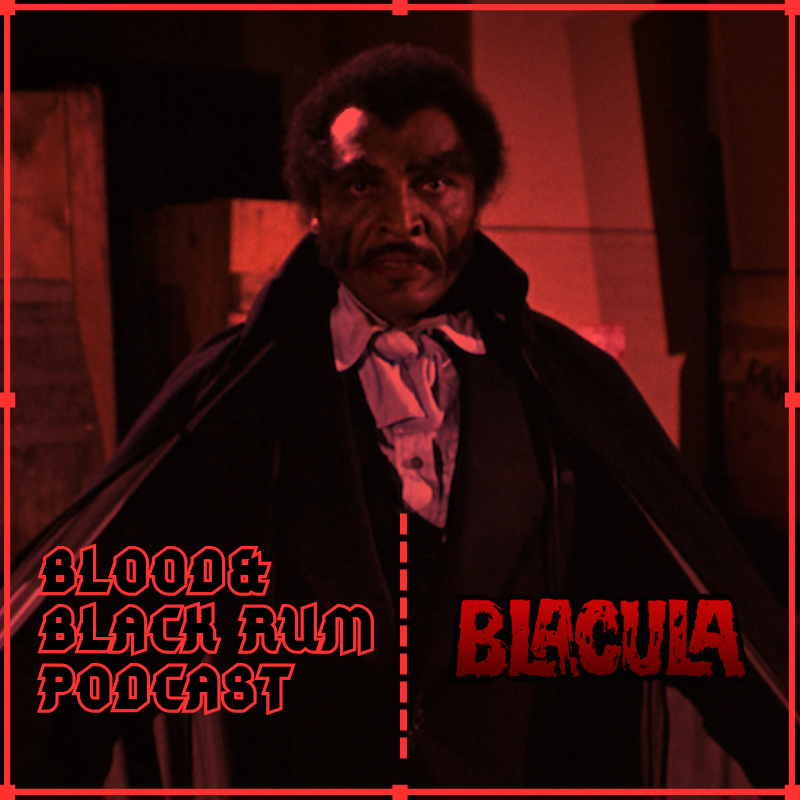
We’re celebrating Black History Month with another blaxploitation film, this time one of the most well-known black horror films – Blacula! While we contend the film is actually not the best example of blaxploitation, we discuss the unique approach to criticism, its portrayal of the Dracula vampire mythos, and ponder the slow pacing of the movie.
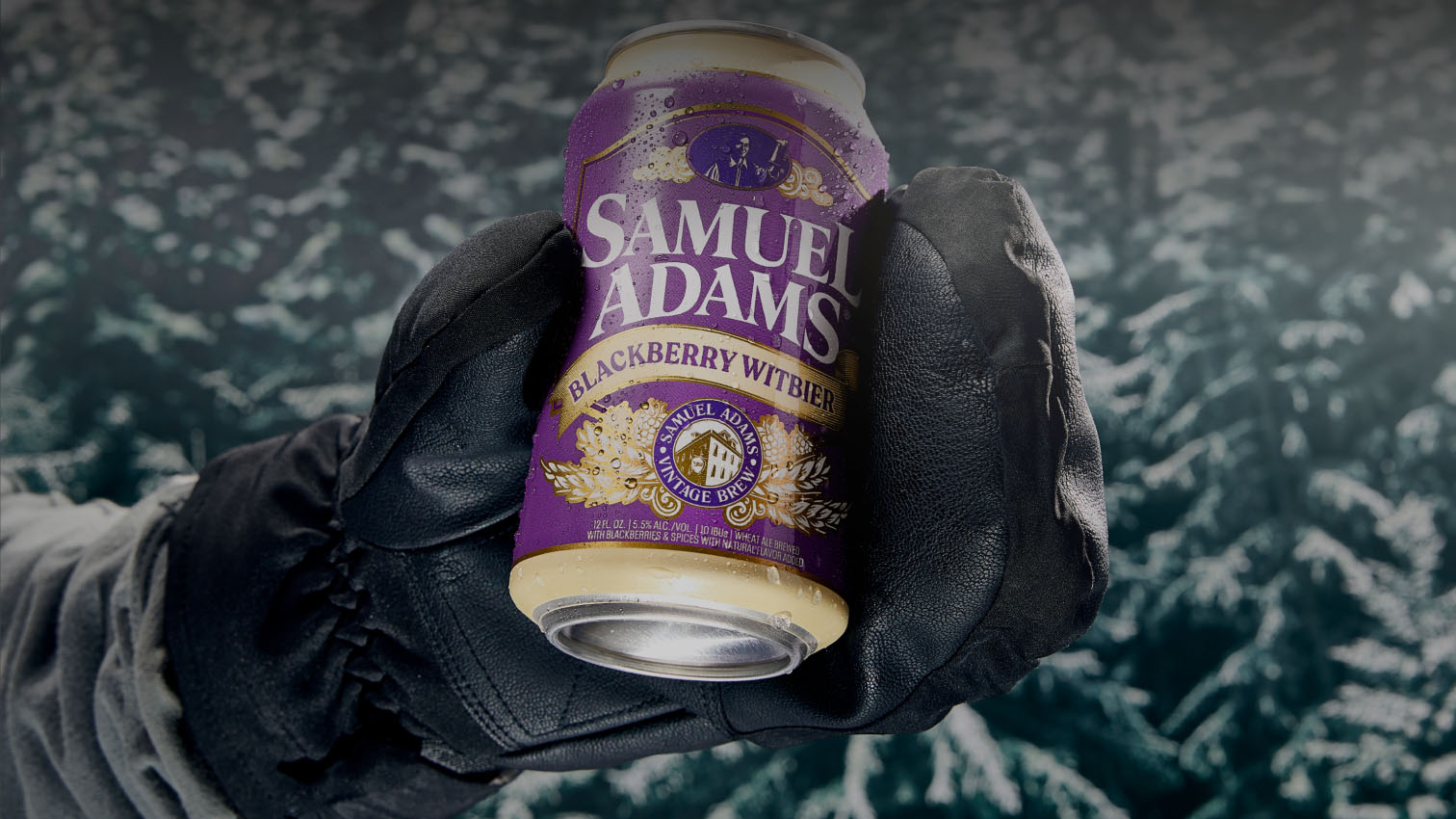
We’re also drinking Sam Adams’ Blackberry Witbier, part of their new vintage spring pack.
Approximate timeline
0:00-15:00 Intro
15:00-25:00 Beer talk
25:00-end Blacula
Hit that play button above to listen in.
Transcript – (auto-generated)
Click to expand full transcript
0:02
Thank you for your help.
I’m glad to be of service, doctor.
Anytime you need my help, please don’t hesitate to ask.
I’m at your service, doctor.
That’s my job, doctor.
That is the rudest *** I’ve ever seen in my life.
1:00
Hey guys, welcome back to the Blood and Black Rum Podcast.
I’m Ryan from coldsplitation.com and today I’m joined with my Co host.
Martin, how’s it going?
Pretty good, pretty good.
Today we’re bringing the Black and Blood and Black Rum podcast out.
We’re celebrating Black History Month now.
1:19
We always do this within February, try to take an episode to do, you know, a nice celebration of Black History Month by covering A blaxploitation movie.
It’s really one of the only times that we get to, to try it out a blaxploitation movie.
You know, we, we try to cover them here and there, but we try to do it when the the occasion arises and that is always during February.
1:43
And also it doesn’t help that we missed Friday the 13th, which was last week and really was the perfect time for us to do another Friday the 13th movie because it would have hit on, you know, we, we released our episodes on Fridays and we missed it, but.
2:00
I don’t even remember which one we left off on.
I yeah, I can’t remember either.
I feel like it was.
Four or five.
I want to say 5, maybe I can’t, I can’t remember.
Now, we haven’t hit the new line here yet, yeah.
Yeah, I don’t know.
2:15
I don’t know.
I can’t remember what it was, but it would have been a perfect time to do them, but we missed it.
I didn’t even realize Friday 13th was was on the table.
Didn’t really keep track of that.
So, but we had a, we have, we’ve had a jam packed month anyway in February because we’ve been doing week to week actually, which is not something that we generally do when we’re not like in a specific season or you know, themed month or anything like that.
2:45
So we’ve just been really busy, but we definitely want to make time for a black exploitation for February.
In the past, we’ve done a number of different black exploitation movies and we talked, I think we talked about this a little bit in the last, you know, like the the outro of the last episode.
3:01
But like we’ve done a few different, you know, major black exploitation movies, a few with Pam Grier.
We’ve done Black Caesar way back, which was pretty fun.
You know, we did the spook, we sat by the door, what else we did Shaft.
3:20
Shaft was a pretty recent episode.
So we’ve covered some bases in the blaxploitation genre.
But one thing that we have never done is a blaxploitation horror film.
And admittedly there aren’t very many of those.
Blaxploitation generally took on a very sort of action oriented genre of film or like, you know, like spy thrillers, things like that.
3:47
But horror was not really a big concern for blaxploitation and there really only been a couple of monumental blaxploitation horror movies.
And I think that that is really a just it another reference to the fact that there’s not a lot of great black LED horror movies.
4:12
And I think one of the surprises of this past year was Sinners, which was a black LED horror movie that just released in 2025 and did very, very well and is, you know, all up for a number of awards as well.
4:28
So he was kind.
That was kind of a nice surprise is, you know, because again, there’s not been too many that are really notable.
And that’s, you know, that’s a problem, problem of representation.
So, you know, Jordan Peele, obviously working closely in the genre has released a few, but throughout the years it’s really not been a huge deal for for black film makers.
4:54
And I want to say that like I said, there’s a really only a couple that were made during the blaxploitation craze that really came out.
And that’s saying something because there was a lot of different genre fide blaxploitation movies too that tried to do a different take on some popular films of the time period.
5:15
You know, like one that sticks out to me that I actually I’ve never admittedly seen is Black Samurai, which oh, just kind of a all around goofy sounding type movie which I need to see at some point.
We haven’t ever stumbled on that one to watch but.
5:33
We got to combine both.
You got to like, all right, we got black exploitation, real popular, real funk and Kung Fu craze.
So, you know, let’s, you know, Yeah.
Black Saber.
Yeah, I’ve, I’ve always loved that one.
The 70s were a great weird time of like just pocket out of pocket shit that was becoming popular.
5:55
Like, you know.
Yeah, absolutely.
But yeah, what the one that we’re doing today is, you know, probably the most notable blaxploitation film, one of the most notable horror blaxploitation films from the time period early on in the in the time period from 1972 and would go on to inspire a sequel.
6:20
And that movie is Blacula, which as you stated before, you were in a college class.
And you are.
Yeah.
I’ll let you tell it again.
I know you said it in the last episode too, but what did your professor say about Blacula?
6:37
Yeah, so I mentioned the Proctor Black Caesar because one of my college professors, I’m a history professor, that I took a lot of upper level my like, you know, capstone and all that with upper level history classes with them.
So it was all, you know, black American history, slave trade, etcetera.
6:56
First class I took with him was black on the Black Power movement.
And it was funny because when the course listing for it, it just said like history of like people movements in my counsellor.
7:14
She was like, they should take that class.
You know, the oppressor feel good and you know, you probably find it interesting and stuff.
So I signed up for I didn’t know I was getting into and professor walks in and he’s like, welcome black power.
We’re talking to, you know and shocked my little white soul.
7:32
Oh nice.
Up in the Adirondacks.
And, yeah, you know, he, it was hilarious because he came in playing Wu Tang and he asked everyone to stand up and say what?
Your name, where you’re from, blah, blah, blah.
And like, when he got to me, you know, told him who I was, where I was from.
7:51
And he’s like, everybody, not all black people from where you’re from, right?
No, no, there’s not.
Not really.
Yeah.
And he’s like, what?
And he’s like, what?
You think I’m, you know, why do you think I’m allowed to do this?
I’m like, I don’t know, you got a degree.
He’s a weird change the way you think regardless.
8:08
So during that class we did, we watched, you know, so it was about, you know, Black Panthers, the Black Power movement and we got into black exploitation.
We did watch Sweet, Sweet Backs badass song, which we haven’t covered yet on the podcast.
And, you know, I found it really interesting.
8:24
You know, stuff like that never gets covered in school.
You know, we, when it comes to the civil rights in like, high school for the most part.
And we took like a B USS3.
We didn’t like, you know, it’s just like Martin Luther King and I had a dream and, you know, move on.
8:41
Because usually by the time you hit the Sixties, 50s and 60s in U.S. history, it’s time to the end of the year.
And you’re, you know, skimming through real quick.
Yeah.
Yeah.
So I found the stuff, you know, real interesting.
I end up taking more classes with them put in between, you know, take classes with him.
9:01
He did like, he would do like like a movie night where like he would be at like a, you know, one of the halls and be like put a film on and like, you know, talk about it, get to watch it, etcetera.
And he, we were doing, he was doing Black Caesar and I went watched it, you know, as he’s like introducing it and stuff.
9:23
You know, I, I yelled out, I’m like, why aren’t you doing Blaculas?
It’s, you know, it’s almost Halloween and he’s like Blaculas disgraced black people everywhere and should not be watched at all.
So yeah.
So.
Because of his firm, you know, film critique, I have stayed away from the film.
9:41
Yeah, you’ve you’ve made it a point to not check it out.
Well.
Well, here we are.
Because it is ridiculous.
Like, I mean, like, I don’t even know, like even within the pastiche of like, you know, really leaning into like, how can we squeeze as much money as possible out of this trend?
10:03
It’s like to me, especially like now this is not the 70s.
So like, I’m not, you know, and I’m not black so I can’t be like, wow, like this is something for me, you know, because there is stuff in here that obviously is targeted towards, you know, African Americans culturally and and story wise.
10:24
Yeah.
But like, but like, again, like it’s just even if like, say, like if this is like, you know, Jordan Peele or whatever doing this, I would feel like even still like it’s too, you know, on the nose.
10:42
Like really, we’re going there like, you know?
Well, and so that’s, you know, it’s kind of important to talk history of blaxploitation because so Blacks Black Gum Blacula was released by American International Pictures, which at the time they had been around for about 20 years or so.
11:02
And they had released a number of big films of the 50s, horror films of the 50s.
They were there was kind of their thing and they worked a lot with Roger Corman during the 50s and 60s to release a number of Corman flicks that you could probably find now in like, you know, those DVD bins of like 50 horror movies and the DVD bins and you probably see a lot of these American International Pictures films.
11:27
I.
Was going to say that’s where the film is.
It’s on TV.
Yeah, it’s true.
That’s true.
That’s why it’s free.
You’re getting the 480P rez version of.
Yeah, but but in the scheme of things, in the 70s, you know, again, the in American International Pictures was, you know, always pivoting a little bit.
11:48
And they were releasing a number of horror movies, but they were also pivoting to a lot more different types of films.
And one of those pivots was to blaxploitation.
And in 1972 they released Blacula, which was actually one of their first blaxploitation films that they ever released, along with Slaughter around the same time period.
12:10
And Blacula’s actually, we’re talking about it being, you know, sort of outlier or maybe not as good in the blaxploitation genre.
But it it is one of the early, you know, references of blaxploitation that it is probably one of the earlier things that we point to in the blaxploitation genre.
12:36
You know, ’cause movies that we like to kind of uphold for blaxploitation like Coffee or Foxy Brown.
Things that a lot of people recognize thanks to like Jack Hill, who was a black exploitation fiend even though he wasn’t black.
12:53
Nice to always should point that out that the black exploitation director of note that we like to refer to Jack Hill was not black, he was white.
But, and we’ve done a number of Jack Hill films on here, but Coffee was not released until a year after Blacula.
13:11
And so Blacula, for all its flaws, as we’ll talk about on this episode, was one of the earlier films in the blaxploitation craze.
And so it it it, I think that there is something to be said about it coming early in that that sequence of films and kind of trying to find its footing.
13:33
It would probably do better to find its footing later on in the next couple of years as the the blaxploitation cycle would continue.
But for in early film, you know, it’s we kind of have to look at it in that respect too, in the context of blaxploitation being released.
13:55
So I think with that, let’s take a break real quick.
We’ll take a step back before we really get into Blacula, you know, even though we’ve already criticized it a little bit here in the introduction.
And we will talk about the beer that we have on the show today, which I guess is for is themed for Blacula as well for in for Blaxploitation in general, because we’re talking about Sam Adams BlackBerry wit beer, which is a new seasonal offering in their spring pack that they’ve released with a number of other beers that they’ve already released previously, including the breakaway Blondell, the cold snap, which they have pretty much made into a spring seasonal.
14:42
And I think the other new one that they’re they’re releasing is well, or that they’re calling like a newer 1 is the Alpine spring again, which they’re bringing back.
I don’t know if they necessarily ever took it away, but they’re they’re calling this this pact is they’re saying that has two new ones.
14:57
I don’t know if that’s necessarily true or not, but the BlackBerry wit though is a new one.
This is one that has never been out.
We’ve never had and it was something that stood out to us.
And you know, shame on us for constantly getting excited about stuff like this where type elements with beer because we’re always very excited to hear about some sort of new fruitish beer and then somewhat disappointed after we have it.
15:25
So that’s kind of on us, but the BlackBerry Whitby.
Listen, it’s a time honoured tradition on this show.
Yeah.
A brewery that, you know, is a like prestige, like craft brewery that’s like, you know, has much seen better days.
15:43
They release something like who could this could it be?
And then you have it and you’re like.
Well, and I will, and actually I should take that back.
Apparently these aren’t new beers, they’re calling them vintage brews.
So I assume that means that it was a recipe that they originally had brewed at some point, took away, and now they brought back again.
16:03
So apparently BlackBerry whipped beers been out before.
I imagine it has because again, your own we’re like back in the days like that and Saranac like, oh, we got a variety pack for this decent.
Here’s 1212 beers, 12 beers, you know you or six of them you know now, you know for the past decade, now everyone’s just as you know, 4 beers and one of them is a bog standard, you know, regular.
16:29
So you get screwed on the season part.
Yeah, I’ll let you go first.
What do you think about the BlackBerry wet beer?
It’s OK.
And I don’t know if it’s because of my chest cold that I have right now, but I mean I was I was expecting more from it.
16:50
And it’s not necessarily on the BlackBerry part because it does have a strong present BlackBerry taste, doesn’t taste too artificial, does have a little bit of medicinal taste.
And as you said, like when we were talking about does have like a bitterness to it that you would get from like, I’d say like your small puny blackberries isn’t as good as like the nice cheap big juicy ones, but it’s not a bad BlackBerry taste.
17:24
My biggest issue with the beer is the fact that it’s a whipped beer and you don’t get any of the the lovely whipped beer in this.
You don’t get that Belgian yeast.
You don’t get that coriander.
You don’t get that orange peel says it on the website that you do You don’t If it’s in there, it’s completely buried.
17:44
The body of the beer is very, very just poor.
It doesn’t have like a nice presence to it when you’re drinking.
It doesn’t like I said, doesn’t feel like you’re drinking a whipped beer.
It feels like even though it’s 5 1/2% feels like this is like a session like, you know, summer session, like a session logger.
18:05
So that’s me is my biggest bugaboo with it.
It’s not bad, but I’m again, I guess I’m disappointed because again, Whip beers, as we’ve said a billion times in this podcast, we love our Belgian beers, we love Whip beers.
We love that, you know, big bold style.
18:23
And here it’s completely due due to the point where it’s like, again, what’s the point?
I get it because again, the variety packs and seasonals that all these breweries put out now, they’re not geared towards people like us, you know, who have been drinking this shit for 20 years, scared to the people that like just don’t know better and like, oh, we’re on the cruise.
18:46
We’re going to Cape Cod, you know, all right, let’s you know, when we get the same seasonal she wants like, you know, so I can like tell my buddies like I had a cold snap while I was out on like, you know, fishing.
So yeah, I get it.
19:03
But the same like I’m just like, I’m disappointed and I’m glad that you took that diamond.
You took that plunge for me because like I said, if I bought this I would be really pissed off.
Yeah, I mean, it’s and it’s it was on sale too, so I.
I mean a.
Nice sale.
19:19
But yeah, I so I will say that as I’m drinking this, it’s growing on me a little bit.
I think the BlackBerry flavour is, you know, it’s definitely prominent in the beer.
It does have a slight bitterness to it.
That is what you would expect sometimes from like a very tart BlackBerry that you’d like.
19:39
Sometimes you’d be munching on blackberries.
You’d be like, oh, that one’s nice and, you know, sweet and, you know, juicy and delicious.
And then you get the next one and be like, oh, that was kind of, you know, it’s kind of fibrous and like little bit tart.
And that’s kind of what this beer reminds me of at times is like you do you get that BlackBerry flavour, but there is definitely an after taste of bitterness to it that can be off putting.
20:00
I think it’s like I said, it’s been growing on me as I’ve been drinking it.
But I will agree that the wit beer element of this with the mix of coriander and some of the things you would expect from a wit type beer are just not present in the the taste profile.
20:17
I don’t really get any of that.
It’s an overwhelming sense of BlackBerry, maybe a little bit of the the.
Bitterness advertise that I said, but not a whole lot of that wit style.
So that is a critique.
You know, something that this could have easily just been like a BlackBerry lager or something like that because it it doesn’t really seem to have any of the other components of what would make up the rest of the style that they’re presenting or, you know, like a BlackBerry Keller beer or something like that.
20:47
I I feel like, you know, that’s just kind of a, you know, a missed opportunity.
Maybe the BlackBerry needs to be pared down just a tad.
So that in, and that’s the the rub too with trying to do a fruit beer type like this is to manage.
Is it too BlackBerry?
21:02
Is it not enough BlackBerry?
Because on the other hand, you can get beers that are similar to this where you’re like, oh, is there a BlackBerry in it?
I didn’t really know, I didn’t notice, didn’t really have the flavor.
So that can always be a, a trade off.
And, you know, in this case, there’s definitely a lot of BlackBerry.
21:21
So I think that like the mileage may vary with that too.
It depends on how much of a BlackBerry fan you are.
And I will say too that it does have not terrible, but it does have a sort of artificially BlackBerry flavour to it that it, you know, it doesn’t necessarily taste like a real BlackBerry juice flavour to me at least.
21:41
So it’s, it’s not bad.
I I I am warming to it a bit, but maybe expected a little bit more of it.
You know, with the the name alone is just like conjures, just very awesome thought of what it could be and I don’t know that it matches the expectation.
22:03
All right, let’s get into Blacula in depth.
So like we were saying, Blacula, one of the early Blaxploitation films, a black horror movie, not super common for the time period, directed by William Crane, a black man.
22:22
Also, like as we were talking about with, you know, some people who had proliferated in the black exploitation genre, Also not super common to have, you know, a black director working on the film.
You know, you might have had black writers, but there wasn’t, you know, always a given that you would have a black director.
22:42
And so Blacula is kind of interesting in that it has a black director as well, William Crane and William Crane didn’t work on a lot of movies, but he did work on both Blacula and, and I’ve never seen this one before, he worked on another black exploitation horror movie that came out about four years later called Doctor Black Mr. Hyde.
23:05
So it would have been a black exploitation retelling of the Robert Louis Stevenson classic Doctor Jekyll and Mr. Hyde.
Again, like I said, I feel like that one is very flying under the radar.
It’s not a, you know, well recognized movie by any means, at least in my opinion.
23:25
Yeah, right.
But.
That’s what I said when I saw that I was IMDb and I was like, especially by like 1976.
Like you don’t have to do this, man.
You can.
This isn’t half the exists.
We can, right?
You can.
Yeah, exactly.
23:44
So, yeah.
But with Blacula though, I mean, ultimately the movie is, you know, it takes liberties with the idea behind Dracula, but at the end of the day, it is a black vampire movie.
And the fact that it it, it actually one of the things I think is interesting.
24:02
And right away it kind of establishes this, is that the film recognizes that Dracula as a vampire exists, right?
Because in a lot of movies, it’s like what vampires what?
I don’t have never even heard of those things.
24:18
Kind of the same idea with like zombie movies too, where everybody acts like zombie movies have never been in the zeitgeist.
We don’t know what they are.
What are you talking about?
Yes, Count Dracula.
Yeah.
So in in Blacula, it is interesting that the film recognizes that Dracula is known and people, you know, think of him as a vampire and they think that it’s a myth and, you know, it just, you know, a story.
24:47
And I think that’s, you know, kind of a cool thing about it.
And at the beginning of the film, we do meet Count Dracula.
You know, Count Dracula played by a white dude.
That’s not Count Dracula, that’s some like fucking fop off the pirates.
Not your Dracula, yeah, Yeah, but just let the.
25:06
Hold on, you need like how ridiculous he looks and it’s like again, he looks like he just walked off.
Was like, you know, some Tin Pan Alley like third rate rendition of like the Pirates of Pans ants is like swashbuckling mustache and fucking like parachute pants.
25:28
And yeah, he, he like, he is like, I don’t know, a poor man’s rendition of Dracula.
It’s Christopher Lee’s certainly not happy with the performance, but I think it’s interesting.
25:44
The opening of the film sort of, you know, takes place in Transylvania, where Dracula is inviting William Marshall’s character at the time.
And he’s not Blacula at that point.
And I forget his specific African name.
25:59
What it.
What do you remember what it is?
He’s like an African Prince.
What does it say?
Yeah, I forget what?
His specific African Prince.
I.
Don’t want to butcher it.
Yeah, I know.
So I’m look.
26:16
Muja Wade or something like that.
Mama Walde.
Mama Walde.
Yeah, that’s right.
And he invites Mama Walde and his bride Louva to dinner.
And basically, Mama Walde thinks he’s going to help, you know, the the black man in the enslavement of them.
26:39
And instead, Dracula was like, oh ho, ho, ho, no, you’re not leaving here.
Like I’m going to feast on you.
And that’s basically the.
Well, he wasn’t going.
Well, he wasn’t going to until he said some racist shit.
Yeah, until the what they would say is the black man got uppity and you know, it was time to time to end it.
27:00
Yeah, which I think is funny because like I was saying to you off off air, we haven’t progressed much further from this films like depiction of racist white guy where he says like, well, you guys are from the jungle.
You know, I know our our president could be saying that literally on Truth Social right now.
27:20
I I don’t know.
But, you know, it’s, we haven’t gotten very much further from that racist.
Like fucking Count Dracula and Transylvania’s like up to date on what the jungles of Africa are like, you know?
Yeah, but that sets everything in motion, right.
27:38
And we get, you know, basically, and I love to the fact that Dracula after sucking his blood is like, we will call you Dracula.
Like he’s just giving the name to him.
And and this this is played out too.
27:54
I want to be clear that the the whole idea is kind of played out, not for laughs, not, you know, as a sort of a comedic take on Dracula, but very seriously.
Like he seriously is saying you will be called Blacula.
And it’s like, I don’t know, the film just takes the fun out of it and sort of like just treats it as serious as possible, which I think is a problem.
28:17
Like that’s, that’s part of the problem with Blacula in and of itself is that it does take itself very seriously as a horror film with a couple of limitations.
You know, of course it there are a couple of comedic elements, but for the most part, it’s a very serious type movie.
28:34
And and I do feel like that is a missed opportunity.
But I I thought that it was pretty hilarious when he refers to him by the title name Blacula.
Like he came up with that it’s.
So fucking stupid like I the, the part they’re going for is, you know, taking away, you know, Omawalde’s name from him and, you know, becoming a slave and a puppet to Dracula again, which fits well, fits well with the allegory.
29:12
Yeah, You know, I think it’s a very cool allegory if the film really runs with it.
But this is again, the allegory itself that we’re crafting around Blacula.
And what critics have, you know, I probably ascribe to Blacula throughout the years is one of those things that it’s like, yes, you can see that depiction of it, but it’s really shaky when you actually watch the film and like try to you’re you’re ascribing meaning to this when it’s not really present in the movie.
29:41
I I would say like I.
Think I think it’s bastardized by calling it Blacula.
Sure want to go to that route.
Could call him Dracula.
You know, it’s not like I am William.
You are my son.
Ergo your last name is Williamson.
29:57
And then you know, well, I have a slave now.
His name is Black Williamson.
Yeah, yeah, yeah.
Sure.
It does take like it’s, it’s humorous, but again, the intention is really not to be.
30:13
No, you’re supposed to.
Be, you know, very serious.
And I, I feel like too, like the part of it was that they were just really wanted to run with that name.
And it’s fine.
Like, sure, name the movie Blacula because it kind of, you know, that’s that’s fine.
But to like actually go further and give William Marshall’s character the name Blacula, like very explicitly say you will be called Blacula.
30:37
I don’t know.
Yeah, it’s it’s it’s comedic, but unintentionally so.
And I do think that it takes away a little bit of the, the thematic element to the movie, which again, which I’m saying like, I, I really feel like there’s a tenuous connection to that.
30:55
This is this is a connection that we’re making that we’re saying, you know, the film subtly implies that the idea behind Blacula as a character trope is that here’s the white person who is saying, like, this is the ultimate enslavement, right?
31:13
The ultimate enslavement is not just like we will use you as slaves, but that you will forever, you know, for centuries be enslaved to this, like this hunger, this thirst for blood that will never really say to you.
And that’s that’s sort of like metaphoric symbolism of never being able to overcome this.
31:34
This curse is sort of the idea of the ultimate enslavement.
And that’s again, that’s a little bit of a stretch.
And that could be said of many vampire films too.
You know, vampire films have all have this idea of master and slave to them because, you know, again, you can read it a different way and you can say that Blacula or Dracula has all, you know, has his wives and there is this sort of master and slave element to them as well.
32:04
And I think that it’s a stretch to ascribe that meaning to this movie, but I think that that’s ultimately the blaxploitation reading of the movie.
Is, is this idea that you’re you’re the ultimate enslavement?
And then later on, is Blacula really, you know, 200 years later or whatever is now in contemporary, which they call the present day, Like the I don’t recognize this present day.
32:30
This is not my present day, but they call the present day in 1972.
He is now recognizing that like he, you know, he’s stuck with his curse.
His love is gone.
He has been relegated to the shadows.
32:49
I can never go in the sunlight.
He’s, you know, as as the black man is, he’s pushed to the shadows.
Please don’t come into these stores during the daytime like you’ve got your nightclubs at night.
You can go to those instead.
It’s kind of that idea of pushing the black person outside of the bounds of normal society.
33:08
You know, I just thought of a black vampire movie besides this.
The Eddie Murphy one?
No, no.
Bleed.
Well, yes, yeah, Blade.
Yeah, that’s true.
I almost forgot about Blade.
Don’t know how I love Blade.
33:25
That is true.
Kris Kristofferson’s finest rule?
Just limping around and cursing, Yeah.
What do you So what do you think about the this whole idea of bringing, you know, Blacula into 1972 and we but ultimately the the whole idea behind his you know, why why the film exists is that we’ve got Tina, who’s happens to be played by Vanetta McKee, which we just had in the great silence as well.
33:57
Pretty much unrecognizable in this movie compared to the great silence.
But she’s basically a reincarnation of his love Louvre 200 years ago and.
All I could think of was the mummy.
Sure.
34:13
Yeah, the same idea like.
Just because of rate, you know, Rachel Weiss and he MO cap, you know, like, yeah, that’s all I can.
The reincarnated, Yeah.
But that’s, I mean, that’s ultimately the, the through line of the plot is that, you know, that’s why he’s pursuing this.
He’s he’s pursuing Tina, who he, you know, basically thinks of as his past love Louva.
34:35
And then we’ve got a doctor, Doctor Gordon Thomas, played by Thalamus Rasulullah, love the name.
And he’s, you know, running around town basically doing some sort of, not really explained why, but like just some random doctor running around examining bodies in the, you know, police morgue and stuff like that just to try to figure out what’s going on with them.
34:59
He’s not just a doctor, he’s a he’s a doctor of science.
He’s a doctor of science and that’s, you know, those are our main through lines and Gordon is sort of like our Van Helsing style, I guess character.
But that’s that’s what’s going on in Blacula.
35:16
I’m more concerned like so the way that Blacula gets from Transylvania to America.
Stupid one.
Why is Dracula’s castle for sale?
35:33
Yeah.
I mean, you know, like, who’s like, huh, we’re just going to sell Dracula’s castle, you know, two.
Why do they feel the need to have them be the queeniest Queens ever?
It’s not bad, but like, you know, it’s.
35:49
I don’t know if it’s supposed to be like tongue in cheek, funny or I.
Don’t know.
Yeah, it’s almost reason for them to drop multiple F bombs like just or you know, like the sort of this idea of like they had it coming style.
Like we don’t really care what happened to them.
36:07
Like yeah, whatever.
Yeah, I don’t know.
Yeah, I think that is really an interesting like like you said and and actually too like the the interesting thing about it at the beginning is that like it’s sort of treated very normally, you know, like the the realtor is just sort of like sure.
36:23
They’re in Europe.
That’s why it’s so you find me.
You can be homo and you’re obviously that’s fine.
Yeah, we don’t care.
But you know.
I also love too that the realtor is like so willing to sell this cash.
He’s like, what if I drop this 10% like on they didn’t even ask for it, you just I.
36:41
Love suit that he also has like a German Jaeger hat that he’s wearing like he’s off like he’s about to go like play do the yodels for the yeah for the freaking prices right game you know where.
Yeah, yeah, yeah.
How about 10% off, you know, like, but again, like I said, like like who, who owned it?
37:00
Why is it being sold?
You think at that point it’d be like, you know, Romanian, Hungarian prop, like, you know, civic property.
And no one checked the coffin.
Yeah, no one was like I opened up to see what’s in.
There, Yeah, no one is like, that’s weird.
37:16
There’s a fucking coffin in this cast.
So, like, I wonder what’s going on there And, you know, it’s just Bacula literally living in this coffin for.
Van Helsinger, though, known vampire killer and defeated Count Dracula, also renowned racist.
37:32
So that black coffin, he’s like, I smell black magic.
Yeah.
Kept walking away.
Yeah.
But you know, I mean you.
Would.
Think too, because, you know, Louvre, you know, it is, you know, trapped in that very fucking terrible looking trap room.
37:54
Like where like when she gets trapped in there, like you clearly see, like, yes, that door is held together by dreams and hope and Starlight, you know, it’s so cut out.
But she’s left in there to die with him and, like to rot.
So where the hell is her skeleton and, like, stuff, you know?
38:12
Right.
Yeah.
But but it’s just funny because again, like, yeah, I know we bought it.
We’re going to.
And it’s like Abbott and Costello meet Frankenstein.
We have a warehouse.
We’re going to take this shit too, and we’re going to sell it, make a ton of money.
38:28
And then they let Dracula loose, Blacula loose, and they get bitten.
Yeah, yeah.
I’m surprised when he bites them.
He didn’t go like, hey.
They pass the gay on to him instead, You know?
38:48
Yeah.
The way that the film treats gay people, yeah, you would think that they would.
That’s that’s catching as well.
Yeah.
I don’t.
You don’t, I don’t know.
There’s not a lot of thought put into the way that Dracula eventually gets to the mainland again.
39:10
It’s sort of like the.
Port of LA, going from fucking Transylvania to the port of LA so that you got to somehow like, either get to like the Mediterranean or is like the North Sea, sail out to the Atlantic, then fucking go through the Panama Canal and go through the horn of a hat.
39:31
You know, like up to, it’s just funny.
Like you think like, oh, maybe like, you know, it’s a black exploitation film.
We’ll just put it in fucking Harlem or something, you know, make that voyage a lot easier.
No, well, you know, I mean, it’s funny too, because it’s not like LA is like a part of like a scene.
39:47
Like it’s not a character in the film.
No, no, no, no.
Actually doesn’t.
Yeah, It’s literally just convenience.
Yeah.
The setting itself is actually really not a big part of the movie, and there’s only really a few settings.
You know, it’s, it’s pretty clear that this movie was made on a fairly cheap budget.
40:06
You know, even cheaper than some of the other Blaxploitation movies that were filmed after this.
The nightclub sequence, you know, as one, the one of the big ones that they have, you know, that we keep recurring back to the police precinct, which looks like it’s pretty rundown as an area.
40:24
And, you know, a couple of the other elements here which are really strange, like at the end of the film where we go to like some random chemical factories, like for some reason not really explained all that well.
40:41
But yeah, they.
Were allowed to use it for like 40 minutes.
Yeah, basically, yeah.
And, and they let that one dude and, you know, they let Blacula throw those empty barrels at one dude off the the catwalk so they could use it.
But yeah, the, the settings aren’t really that spectacular.
40:58
And, you know, they don’t really have much presence.
So like you said, yeah, the LA setting is really not, you know, not really that relevant.
They don’t even like they don’t even use the the streets of LA that often to showcase it either.
So, and I think like that is one of the biggest issues with Blacula is that the film is really it, like we said it, it takes itself so seriously.
41:26
And the Study of the Vampirism by Doctor Gordon Thomas is so wrote that it’s very it it ends up being a very sort of boring movie for a good 45 to 50 minutes of the movie of just your usual vampire exploration of, you know, Doctor Gordon basically going from precinct to morgue to, you know, bodies and just examining them, you know, coming to the same conclusions that we obviously know because we’re watching Blacula, right?
42:00
There’s no, it’s, it’s not like the film is like trying to keep the fact that there are vampires in the movie away from the viewer.
We know that there are vampires.
I feel like they really should have probably gone a different route than having this whole investigation and treating Doctor Gordon Thomas like a van housing type character because it’s that doesn’t really work well for the movie.
42:24
It’s.
It’s literally just him going like, no, it can’t be.
Yeah, yeah, I can’t help you.
What do you you got to tell me what’s going on?
I have a theory, but I I can’t tell you, you know, and it’s like.
I feel like it takes the fun out of the movie.
Like there should be more fun in seeing William Marshall just traipsing around LA with his ridiculous Cape and you know the the crazy beard thing that he sports when he’s got his vampire face on.
42:57
Which again, seems like an intentional decision to try to make.
You know, every time the black person turns into a vampire, it is very much like the white person stereotype of like a black crack addicts, right?
Like, I mean, it seems like that’s intentional that they’re saying like look when his vampire, you know, when he’s in his vampire mode, like here’s what you guys think of like black crack addicts on the street, look like, you know, running at you.
43:24
Because the one that really stood out to me was when the one waitress slash photographer for some reason who goes to her.
That’s in her kitchen.
Yeah, comes running.
She she comes running around and they like are corralling her and and the other lady who comes running out of like the the the bathroom at the police officer with her hair all like teased out and stuff.
43:52
It definitely reminds me of that like sort of a tongue in cheek mocking of how white people would see a black person.
But at the same time, I don’t think that the film really makes a good use of the tongue in cheek humor that it could do it.
44:08
It plays itself pretty straight.
And I think that it’s, you know, it misses a lot of opportunities to just utilize William Marshall’s, you know, formidable character.
He’s like 6 foot 5.
You know, he’s a big dude.
44:24
You know, he’s got a really particular appearance.
And again, he’s he’s wearing, he’s sporting this ridiculous Cape that, you know, people actually make comments about in the film too.
They they’re like saying like, what the Hell’s going on with that guy’s Cape?
Like, look at this guy’s rags.
But they never really make use of it in like a entertaining fashion.
44:44
And I think that that’s, you know, part of the issue with Blacula is that it just, it’s so serious and so stuck in its ways to try to do a traditional black vampire movie that it doesn’t really have fun with the proceedings, you know, I feel.
45:00
Like, not not like a Hammer film.
Like.
Yeah.
Not only that though, too, again, like with the way he looks, it’s like he’s wearing like just pleated tuxedo pants and you know, oh, oh, white T-shirt and then like, Oh yeah, I mean the white button up.
45:17
And then he’s got, you know, puts the little Cape on.
But other than that, it’s like like he he has pubes on his face when he’s going vampire.
Like it looks, you know, we’re totally, you know, ridiculous and it’s completely squandered because it takes itself too seriously and it doesn’t do a good job in pulling off it’s seriousness.
45:43
Yeah, I mean, I think that’s the worst of both worlds too, right?
Like, if you want to, if you want to be serious, OK, But you can’t, you know, you can’t have Blacula as the name and you can’t have this sort of almost like, you know, it on purpose, stereotype of the black person to be a, you know, a serious black vampire movie.
46:06
And at the same time, like those elements are what probably some of the best if you really play up the comedic sort of tongue in cheek, you know, stereotyped elements that you really want to mock and call attention to.
46:25
And I don’t think that the film does a good job with either of those things.
And so it’s just in this really weird middle ground that makes it not really that entertaining to watch and more interesting to think about a version of it that it could have been then what actually is presented to you as.
46:45
I mean, it’s not to say that the film is terrible.
It’s certainly watchable.
It has its moments.
Like, I think, you know, there are some funny scenes the the the taxicab driver who, you know, basically starts berating William Marshall for getting hit by a taxicab, which is hilarious scene in and of itself.
47:06
When he gets hit by the taxi.
It’s it’s looks awful and not done very well, but it’s pretty funny.
Her outfit is just ridiculous.
Like the yeah, the whole like I just came out of the sitcom Taxi.
Yeah, yeah.
Like instead of like which way to go to family manners.
47:26
Yeah, yeah.
It’s a very exaggerated version of a of a taxi cab driver.
And then, you know, to there’s these more irreverent elements to the movie, like, you know, the the homework scene where we see the the coroner and he’s like this weird guy who’s basically saying like this taxi cab driver, she’s a woman.
47:47
She was asking for it.
You know what I mean?
You know, you know what I mean?
And he’s got a hook for a hand.
Like that is just not commented on or anything.
It’s just, you know, randomly a part of the proceedings that you just are expected to take seriously.
48:04
You know, those, those scenes are funny.
I just wish that they made they capitalize on them.
They took more advantage of stuff like that.
The weirdness of Blacula that it could have been, instead of what I would say is just a very rote telling of a vampire movie that sort of, you know, lacks a lot of character to it.
48:27
Which is also the film’s biggest sin.
It is that because of that, it’s Dole as a motherfucker.
It’s just got so.
Much downtime boring just like it’s a like it’s a soap opera like yeah, talking here, talking there, talking here, talking there talk, talk, talk, talk, talk, you know, 7th time at the club, you know, it’s just yeah, like I, I was checking in and out like, you know, like the second-half of the film like.
49:03
Yeah, I think like there like there are a couple good moments that you know, that stand out to me as something that, you know, was was great.
Like when there’s like a couple of times where Doctor Gordon Thomas is, you know, basically assaulted by William Marshall, you know, black laughter, he realizes, oh, OK, these are actually the empires and he fucking hauls off and punches them, which is a great, you know, sort of, you know, blaxploitation moment of, of trading punches.
49:31
And I think that those those times, you know, or either that or like the slapping that’s going on, great.
I like those moments.
But like you said, it is a very dry film for the most part, very talky, doesn’t have a whole lot going for it in terms of action.
49:49
Even the you know, and again, to the film’s PG rating probably doesn’t no favors.
And that it’s really a little bit hesitant to show any type of violence or more explicit content.
You also have to suffer through, you know, multiple nightclub scenes of just literally watching the nightclub band play, You know, that that doesn’t help things either of you know, when the film seems drawn out like that.
50:18
But I will say that I think that the the soundtrack is really groovy.
I think that the funk soundtrack that it gets, you know, towards the beginning the the credit sequence, which I think the credits are pretty ingenious as well.
I really like the credits, the actual like, you know, drawings of the the vampire bat after a buxom red lady.
50:38
I like that the credit sequence a lot.
I think that the the opening themes are, as you know, the funk theme is really groovy.
I like the fact that it incorporates this very horror adjacent theme music to it of, you know, sort of the the creeping dreadish Halloween style, you know, almost like, you know, like the some of the the theme itself sounds like it’s could be from Halloween.
51:07
Obviously Halloween was not made at this time, but very like piercing sequences of the theme music and it’s paired with sort of this like funk flute that comes in here and there, which I think works really well.
51:24
I really like the soundtrack.
It’s just that it’s unfortunately not paired with a suspenseful film.
It’s not suspenseful.
It’s not that fun.
I think that that’s its biggest problem.
51:42
And, you know, I what do you think about you like your professor saying, you know, that’s an affront to black people?
Is that because of the themes of the Blacula or just that it’s just not a really good movie to watch?
No, I mean, I wouldn’t know because we didn’t have a discussion on it.
But I think it’s just because it’s enough front to watch.
51:58
Like, it’s not like, you know, not like a great piece of like cinema.
Yeah, because it’s getting like, there are good things here, like how Blacula is portrayed to be, you know, the opposite of Dracula.
52:21
Even still at you know Mama Walde is still a gentleman like.
Oh yeah.
Somebody who know though, he has this hunger and lust, I’m like, you know his, you know, white, you know, white Master Dracula.
52:37
He still, you know, very pleasant and very for the most part controlled and moral on like, you know who he is.
Like we get to see that because we see him stalking Tina and because he thinks it’s Luva reincarnated.
52:58
And when they start talking, you know, he’s just like, I think you’re, you know, my wife of old and she’s like, that’s fucking weird.
And he’s like, listen, I love you and I want to be with you.
Either you do or you don’t.
And if not, I’m not going to make you and I’ll just leave.
53:16
And then she’s like, wait, I’ll keep you king.
And but like, you know, like because in Dracula, what is it happens in Dracula, woman like, you know, the virginal woman gets away and he’s like, I got to have her, you know, you know, So you know, that’s a good thing.
53:35
I and again, I think William Marshall as you know, Mama, while they bug you, I think he does a good job.
I think he’s just not given enough to do and he himself cannot carry the film, you know, to the finish line.
Yeah, I agree.
Like, I like, I, like I said, like, like we said, like again, the film takes itself too seriously.
53:57
It moves at a plotting pace.
Like, is this has the feeling of something that should have been 60 minutes on TV, like a like a Creepshow episode or something, because it just, there’s not enough intrigue going on in the film to make it, you know?
54:16
Yeah, and I think you also have that problem that like you were you were talking about with, you know, Tina or Louva, you know, whatever she ends up being called, there’s not really any development to that either.
It’s sort of like Blacula starts courting her and she eventually like for I mean, he even is basically like you said, he’s really upfront with her.
54:38
He’s like, damn, I’m vampire and you, you’re my, my love from 200 years ago, basically.
And she’s just like, OK, you know, and there’s no, there’s really no development to it.
It’s it’s kind of out of nowhere, just expected to go along with it.
54:55
And, you know, I think that’s another problem with it too, is that, you know, there’s really no development of the characters.
They kind of just act in the way that they are expected to.
And you know the cause.
Again, the film spends a majority of the time with Doctor Thomas.
55:14
And like, that’s to the film’s detriment ’cause it’s really not doing itself any favors by just going through the motions of showing what a vampire is.
And, you know, ’cause it, it wastes a lot of time on his investigation that really could be used to do a more thorough examination of Blacula and his, you know, his, his wooing of Tina and stuff like that.
55:37
It, it kind of loses that plot plot thread and sort of has to shoehorn it in later on.
It’s just kind of like, OK, yeah, they’re, they’re together now for some reason.
And, you know, that’s what’s going to happen.
So I think, you know, again, the, the, the narrative is really not there either.
55:53
And it wastes a lot of time on other non important things to the, to the viewers boredom as well.
What else?
What else did we talk about?
I mean, what do you think about the ending of the movie where, you know, basically after Tina staked cause Doctor Gordon accidentally does it, he doesn’t realize who’s in the coffin and he just stakes her.
56:18
He basically decides like, I have nothing more to live for.
So I think I just killed myself.
What do you think about that for the the the ending theme of the movie?
It’s noble man.
Yeah.
You know, he gets Lee, gets us, you know, freedom on his terms.
56:35
But again, all these things, you know, don’t really matter if the film’s boring.
So I mean, yeah, it’s, you know, like I said, it’s fine dandy.
But again, like, can’t be engaged if you know the getting to the ending is, you know, that big of a slog.
56:54
Yeah, I mean, I think that it you, like you said it, it it is a nice kind of wrap up to the theme of how Blacula is different from Dracula.
Like Dracula exists throughout history and will not kill himself, right.
57:10
Like that’s not no matter what happens, Dracula persists and Blacula besides, you know, this is the only thing that I was I I wanted was like to get back to my my love.
That was my my love was cut short.
57:26
And that’s really the only thing that I wanted.
And now, now that I can’t have it, who cares?
And like you said, it is a ending of that enslavement, you know, a specific choice to end that enslavement.
So I like it for the theme, but it it really does take a really long time to get there through a lot of weird choices to that the film takes to to get to that point.
57:52
And you know, is it worth it?
I’m I’m not sure about that.
The the closest boy because I’ve been replaying the Last of Us right now the closest like kind of critique I can compare the 2 is is like it’s kind of like with the Last of Us Part 2.
58:10
Not the TV show, but the actual game, just because lot of controversy around it.
You either love it or you hate it.
And but there are a lot of people and I’ve watched like a bunch of like video essays and stuff, like people who love it.
Like, no, you just don’t understand.
58:26
This is what they were writing, the themes they were coming up that make it so cool.
And it’s like that doesn’t matter if you’re not engaged with it.
So it’s like it’s like cool, your thesis could be cool, but at the end, if it’s not executed well, it doesn’t really matter.
58:41
You know, right?
That’s why you can enjoy something like schlock.
It doesn’t have to be great.
You can turn your brain off and enjoy like you know, buddy love goes coconuts because you got it and have the coconut that’s.
Right.
58:57
And I, I don’t think that this film is shocking enough to really.
No, it’s not.
Not at all.
To get itself outside of the bounds of what it presents.
And the fact that IMDb has like B horror on there, it’s like how dare you like how?
59:13
Dare you?
Yeah.
All right, So let’s give Blacula a rating.
So on a scale of zero to 10 gigantic beehive wigs that Denise Nicholas is wearing in this film, they can’t.
59:30
It just cannot be tamed.
What would what would you give Blacula?
I’d give it like a 5 out of 10.
It’s like, again, like I just it’s an admirable effort and some nice idea has some, you know, good themes and allegory, but at the end of the day, it’s boring as shit.
59:51
I didn’t find it to be fun at all.
I didn’t find it to be, you know, the seriousness of it and the dryness.
I made the film kind of unlikable because again.
Though it’s played serious, it’s on too low of a budget for it to pass as that.
1:00:12
And it’s, you know, I would say check it out just on the basis because it is Placula.
It is like, you know, a cornerstone of, you know, black horror films.
But that doesn’t mean that, you know, has to be good.
You might, you know, some people might be able to find enjoyment here if you’re a vampire fan, if you’re a fan of, you know, you know, African American art, but also to like.
1:00:41
And as you said, the soundtrack’s great.
It’s the huge corporation who does rack the boat, Rack the boat, baby, rack the boat.
So they did the score.
That’s why it’s pretty banging.
Yeah.
I mean, like, it doesn’t like, if you’re somebody like, like, you’re expecting like gore.
1:00:56
There’s no gore.
It’s just like, you know, they barely use any blood.
Everyone like the like the vampire hirelings in this look like fucking runaway zombies from Dawn of the Dead.
They’re so blue and they just have the most ridiculous fucking, you know, fake fangs.
1:01:15
And yeah, like I said, 5 out of 10.
Like, check it out if it’s something that, you know, it’s like it is bucket list film just because of where it stands and the zeitgeist.
But I won’t check it out again.
Yeah, I would agree.
1:01:30
I would give it about a 5 out of 10.
It’s about the same as what I remember it being.
You know, again, like I said, I I enjoyed pieces of it.
I enjoyed trying to pick out the themes that really would put it into the blaxploitation genre, you know, to, you know, the, the, the metaphors and allegories that it was making to, you know, the, the white person’s Dracula.
1:01:56
And at the end of the day, I think it, it gets there at the end.
Like it, like you said it, you know, the ending is probably the part that elevates this a little bit.
But to get there, you really have to slog through a lot of sort of boring elements that don’t really matter in the scheme of things.
1:02:16
And I think that the the problem is that the film doesn’t really know where to land it.
It doesn’t want to be schlocky, doesn’t want to be serious, somewhere in between.
And that makes it a kind of a chore to watch until you get to that point.
And so that’s, you know, the biggest issue with the movie.
1:02:34
I think that everyone in the movie itself does a pretty good job, you know, especially William Marshall.
I think he he is good as Blacula.
And I think that Thelma’s Rasulullah does a pretty good job for what he’s given.
But it’s, the problem is that the script just doesn’t give them a whole lot to work with.
1:02:51
So it’s an OK movie, but it’s, it’s what I remember.
I think it’s more of the historical context than anything else that makes this, you know, something to, you know, revisit.
And like I said, I’ve seen it 2 Times Now.
1:03:09
I’ve never been enthused with it either time.
And I think it’s just a mediocre movie.
It’s definitely not one of the best films in the Blaxploitation cycle.
All right, so that’s our episode on Blacula.
Unfortunately, it was not as appreciative for a Black History Month movie as we, you know, always have.
1:03:30
But them’s the them’s the breaks with with movies, sometimes you have good criticisms, sometimes you don’t.
All right, So what do we got next?
We is next.
Are we going to try to see scream 7?
1:03:47
Is that like the next thing that we’re doing?
I think that comes out next Friday the 27th.
Yep.
So we’ll probably take a week off since we’ve been, you know, on every week and and do or unless you wanted you had something else in mind that you wanted to do.
No, that’s fine.
1:04:05
Probably take a week off and then get back to it with.
Recollect, you know.
Yeah, get back to it with our episode on Scream 7.
So should be fun.
What do I have time for?
February to be a busy time for films, you know?
Yeah, right, 22, you know the cinemas.
1:04:25
In the in the theater.
Yeah, Yeah, I know.
Yeah.
Busy times.
All right, Well, thanks for listening to our episode on Black Yellow.
I hope you enjoyed and hope you’re having a great Black History Month and, you know, checking out all kinds of, you know, black LED cinema.
1:04:41
We are on any podcast app that you could think of.
So if you liked what you heard, you should subscribe.
Leave us a nice review.
It always helps us out.
Apple Podcasts, our home base at Spotify.
Whatever you use.
Sure, we’re on.
We also have a Facebook and Blue Sky page.
1:04:58
You can search for us on there.
Blind Micron podcast.
Give us a like or a follow or whatever.
We have an e-mail address at [email protected] where you can write to us.
Let us know what you like, what you don’t like, what movies you want us to watch.
We’ll take that into consideration and you can also donate to us on our Patreon page.
1:05:15
Anything you donate goes back towards beer, so we appreciate that in advance.
Again, thanks for listening.
We’ll be back in a couple weeks with Scream 7 and until then?
Take care.