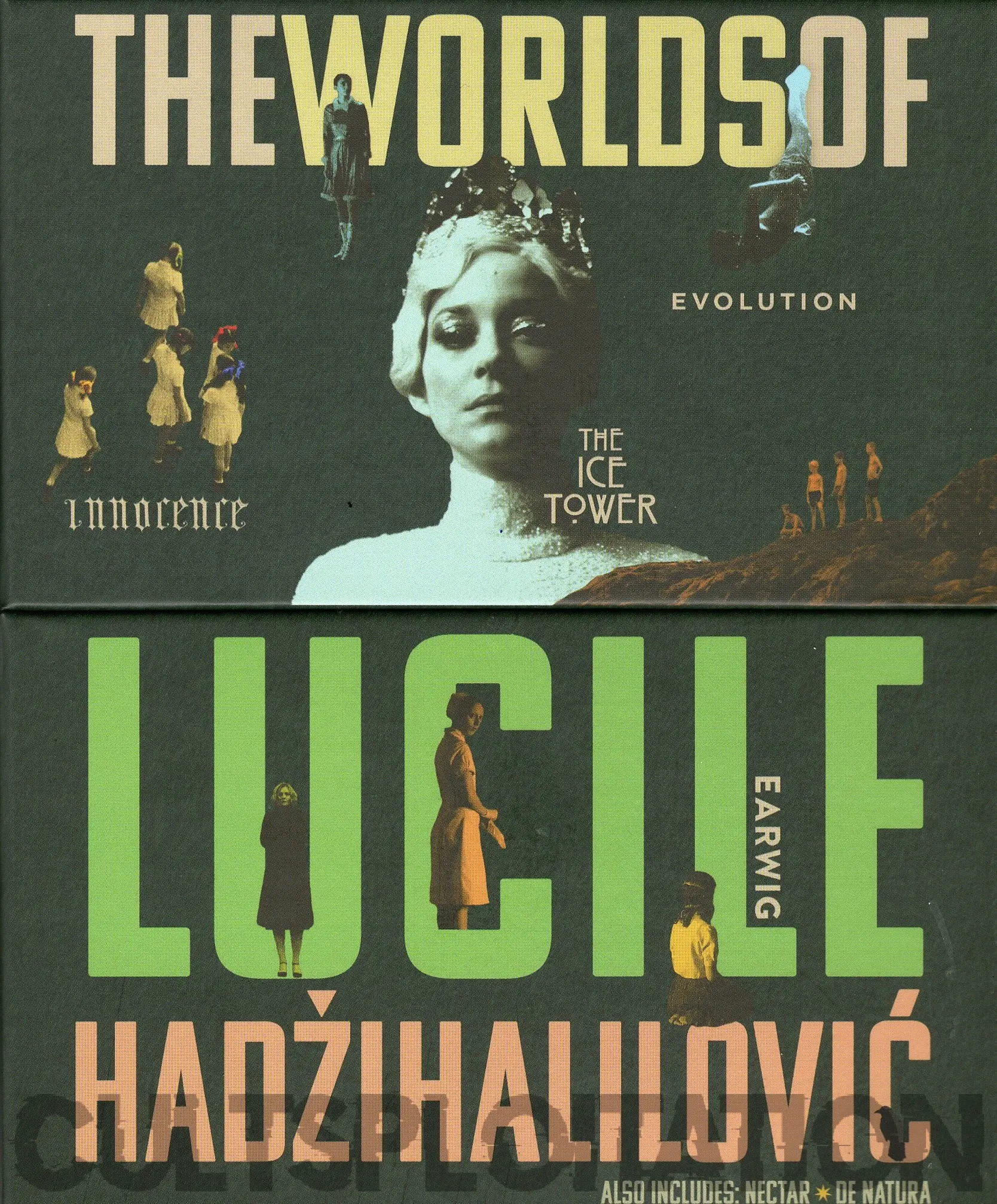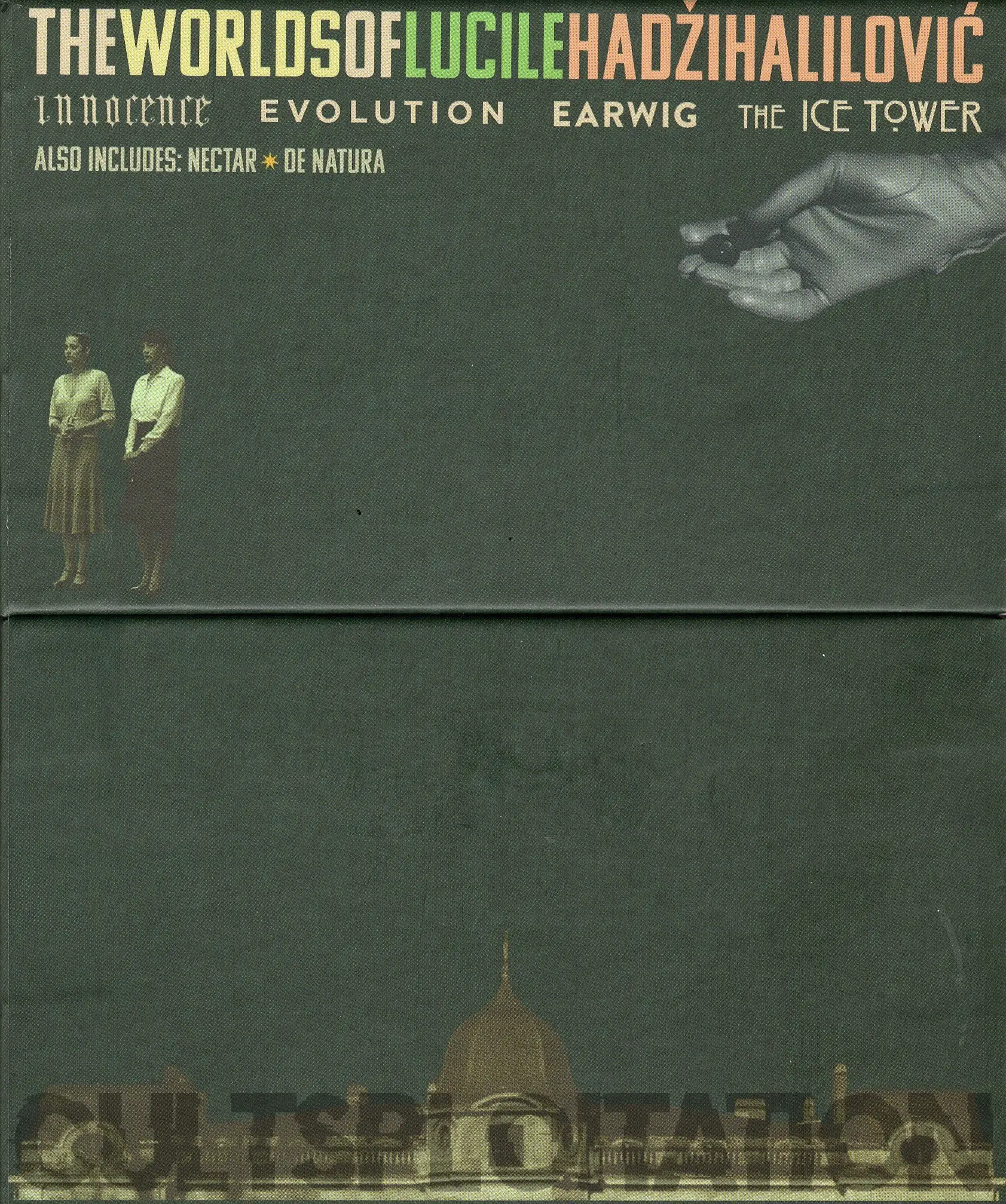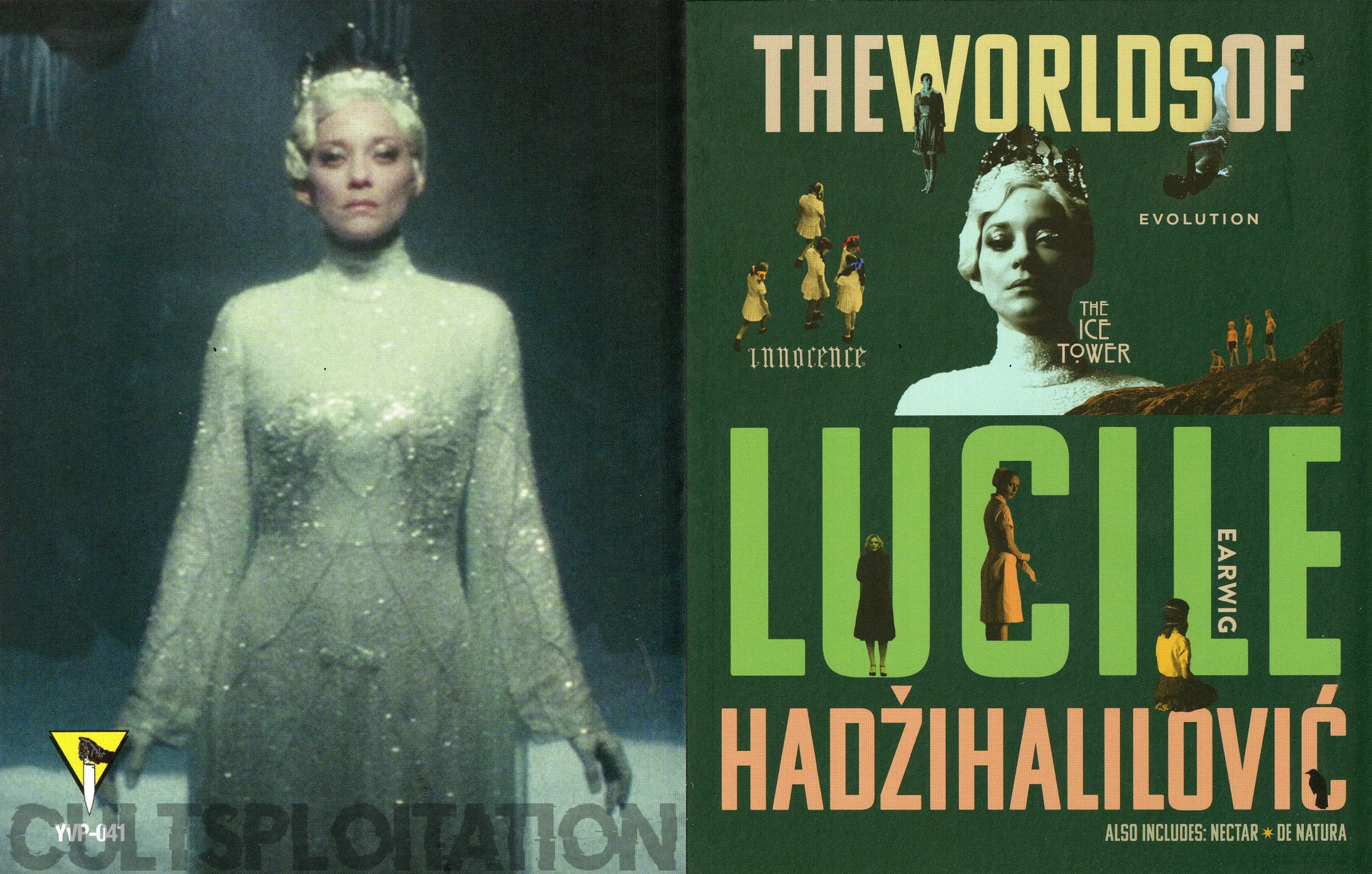

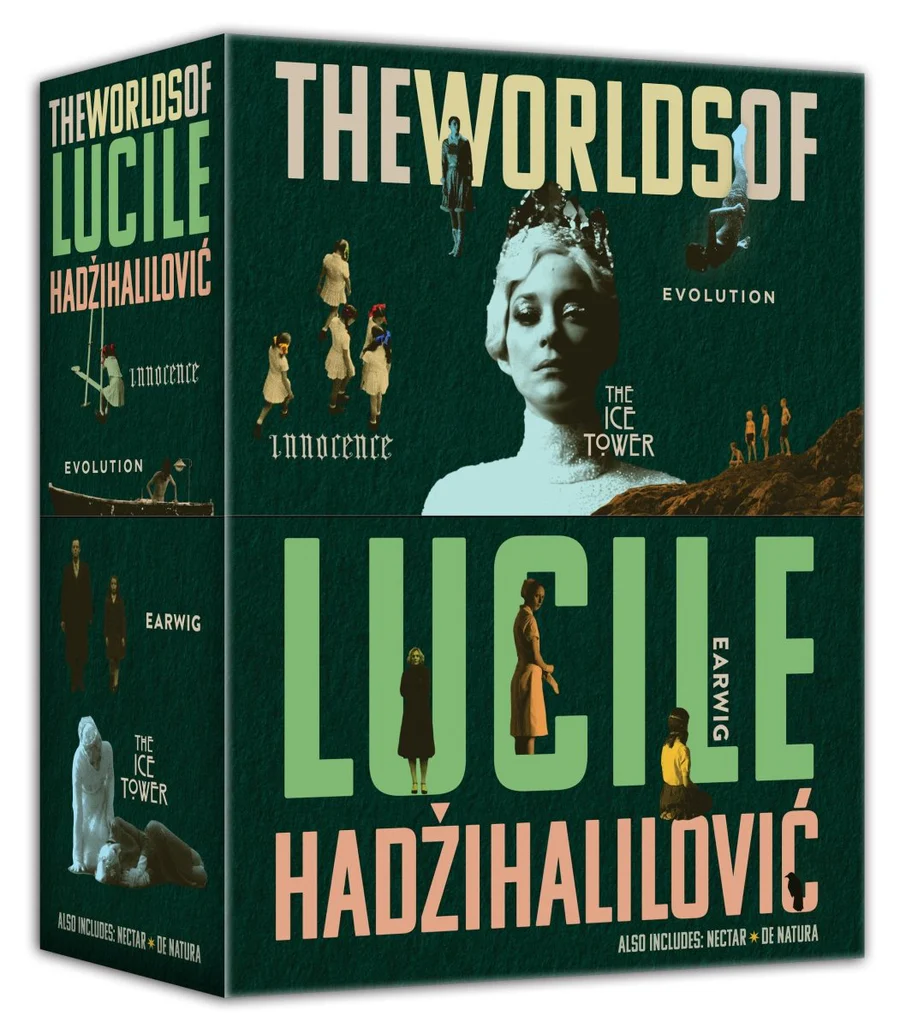
Yellow Veil Pictures, in collaboration with Severin Films, has assembled the essential films and shorts of writer/director Lucile Hadžihalilović in this boxset. Presented chronologically, including most of her short films, this release presents Hadžihalilović’s films to American audiences in high-definition and explores the major themes of her filmography with critical relish. Below, we review and outline the major works of this set and then specifically identify the Blu-ray elements for each.
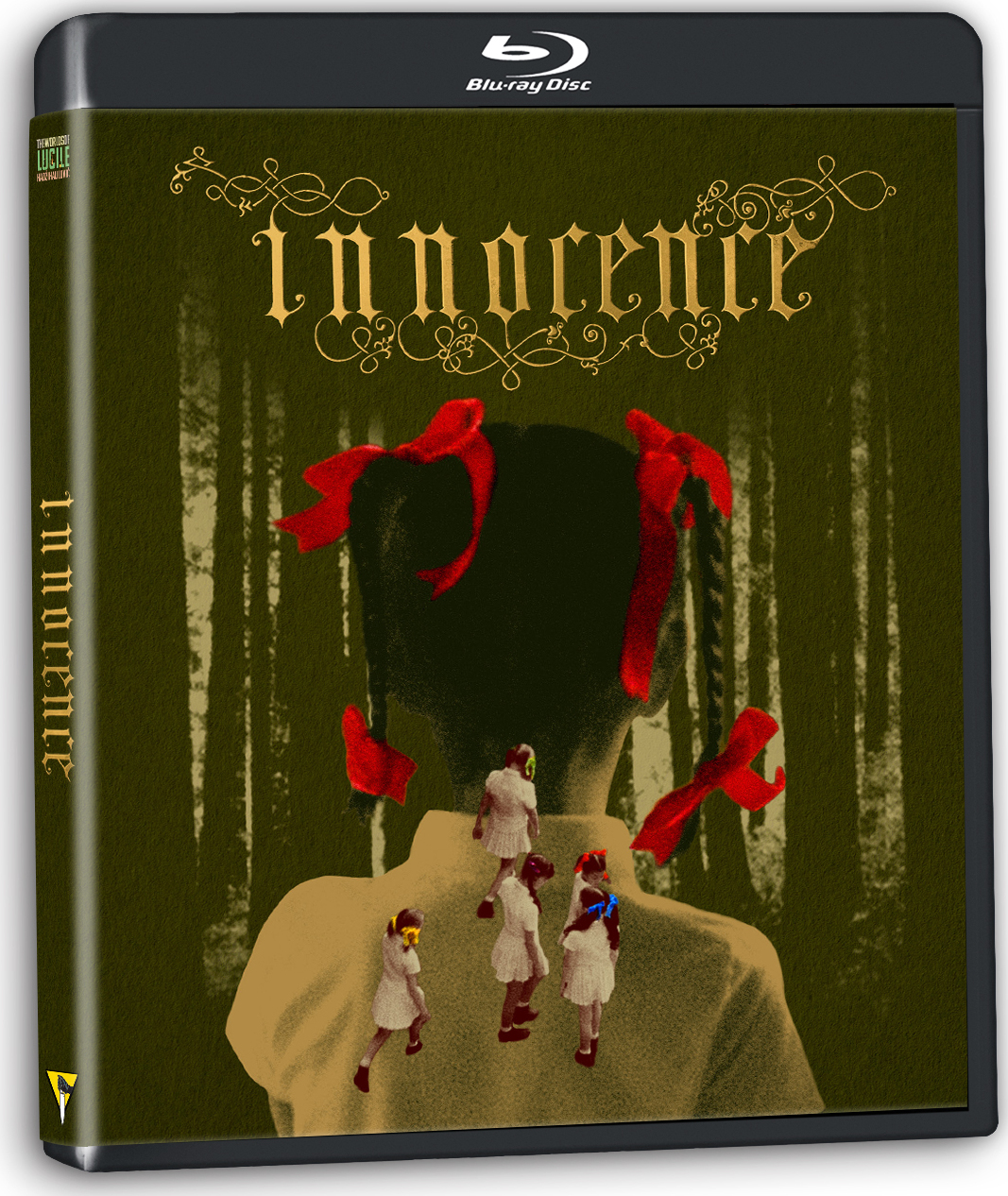
Innocence Review
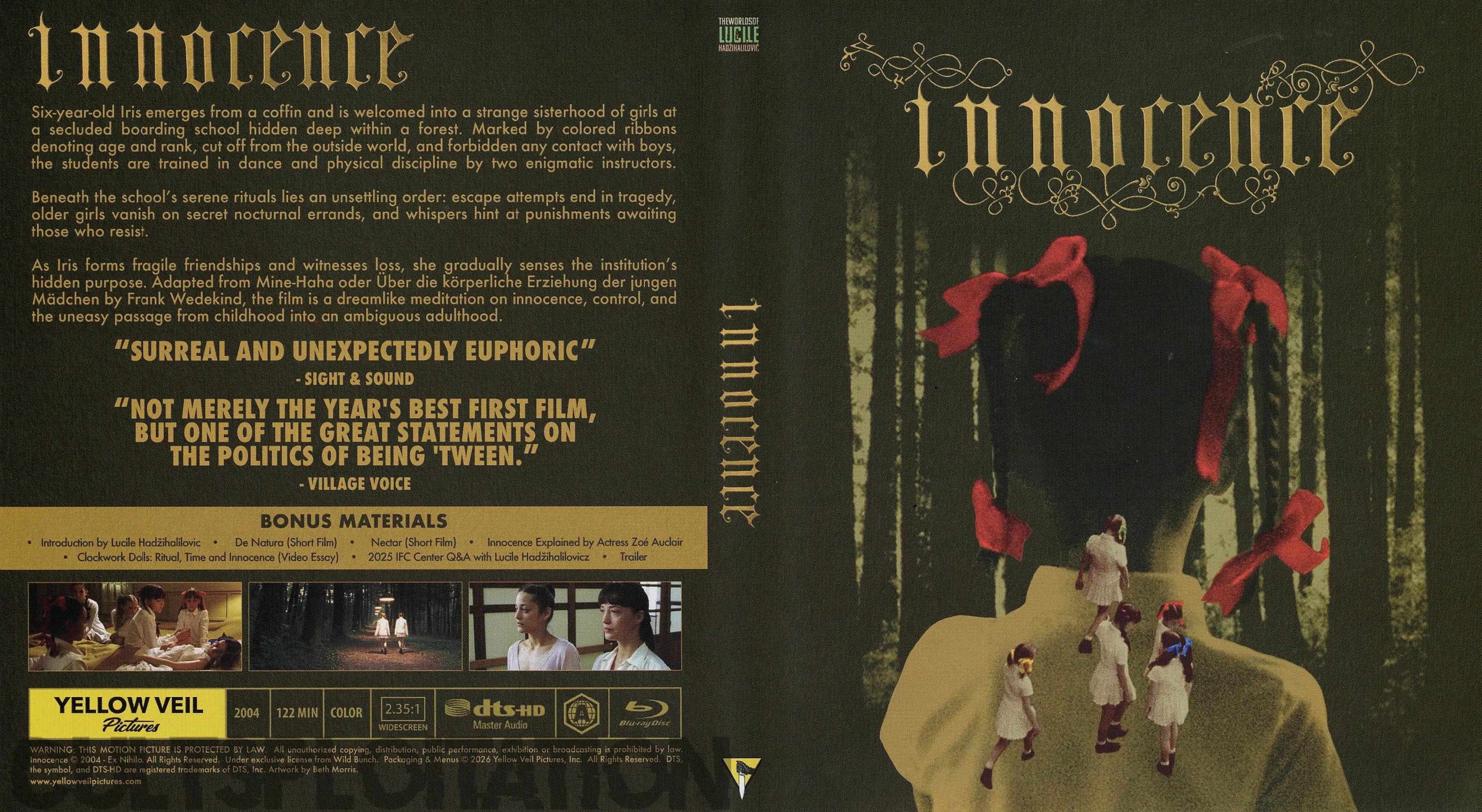
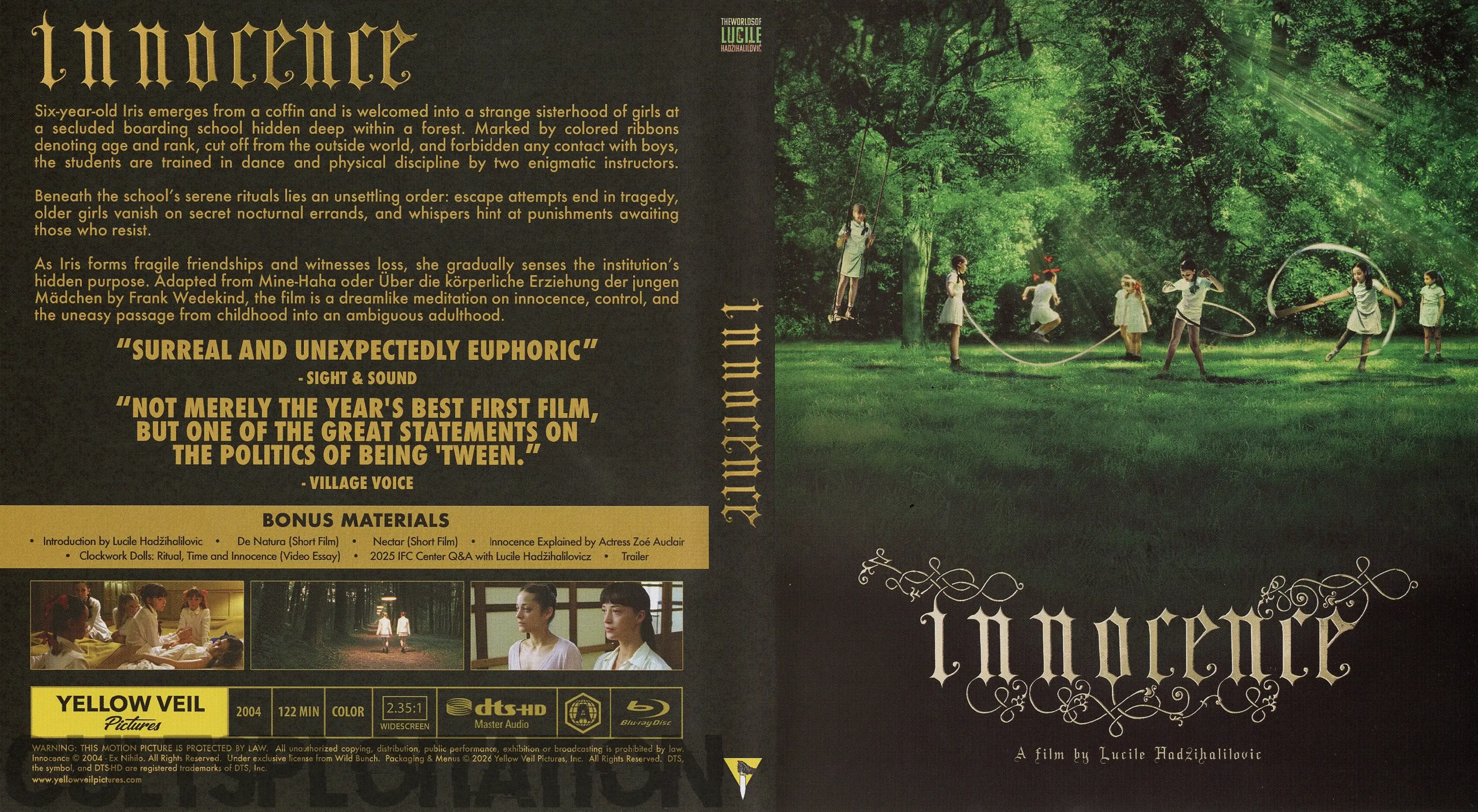
Hadžihalilović’s full-length directorial debut is a surprisingly mature work that, in the director’s own words, attempts to fill a void in cinema that refrains from documenting a sisterhood of young girls; this motif is typically embodied by male camaraderie in youth, but rarely do films tackle the opposing sex. Innocence effectively plays out in similar fashion to an alternate-world Suspiria in which its young female protagonists suddenly “wake up” in a coffin at an all-girls school that is barely overseen by adult counterparts; its new children are cared for by older children, with adults providing limited schooling in sciences, ballet, and etiquette. The identifying characteristic here is, of course, the youthful innocence of the film’s title, but also the perception that a life of innocence also can lead to an induced naïveté about the outside world. The school’s children wonder what might be outside the walls, and in fact are constantly working towards freedom by practicing their ballet recital to eventually be promoted to a “blue-ribbon girl,” a visual trait that symbolically represents both the heightened innocence of the wearer as well as their age.
Throughout, Innocence provides a slow but chilling narrative interspersed with heavy symbolism and Hadžihalilović’s eye for natural beauty coupled with sinisterism. A snail carries its shell on its back as a burden; a snake sheds its skin in its growing process, and obvious allusion to the shedding that the young girls do at their academy – gaining innocence, but shedding any personality or individualism in the process in favor of patriarchal concepts of expected female household care. In its narrative, the film deftly moves from various younger characters, opening with Iris – our natural eye into this world – and then moving to older girls. One expects to win as a blue-ribbon girl and, after a nearly sadistic Nazi-istic review of the childrens’ form and beauty, eventually tries to make a run for it when she loses; her story ends there, without a body but an implication that she wouldn’t make it out of the woods alive due to the cold. The oldest girl, Bianca, does finally get her freedom from this all-girls school, only to be shuttled to another location that looks almost identical to the previous location with long classroom-esque hallways. She does get the ability to see an outside world, but only at the behest of her “captors,” who almost initiate the expectations of feminine youth by introducing her to a young man obscured by water and, at the film’s conclusion, the all-enveloping sound of water that returns to the film’s themes of drowning.
Hadžihalilović has a way of directing all of this that emphasizes a deep-seated feeling of dread even when there isn’t necessarily an external threat; it’s more the constant unease of the situations, occasionally accompanied by a sparse low drone to interject some feeling. Innocence is uncomfortable but unflinching, and it offers a large number of metaphorical elements that can be interpreted in many ways, but they ultimately always lead back to a rebuke of patriarchal societal norms and drawing parallels between the perception of youthful innocence and subjugation. It’s a powerful gut-punch and as an initial offering from Hadžihalilović, it certainly draws the viewer in to the director’s vision as an artist.
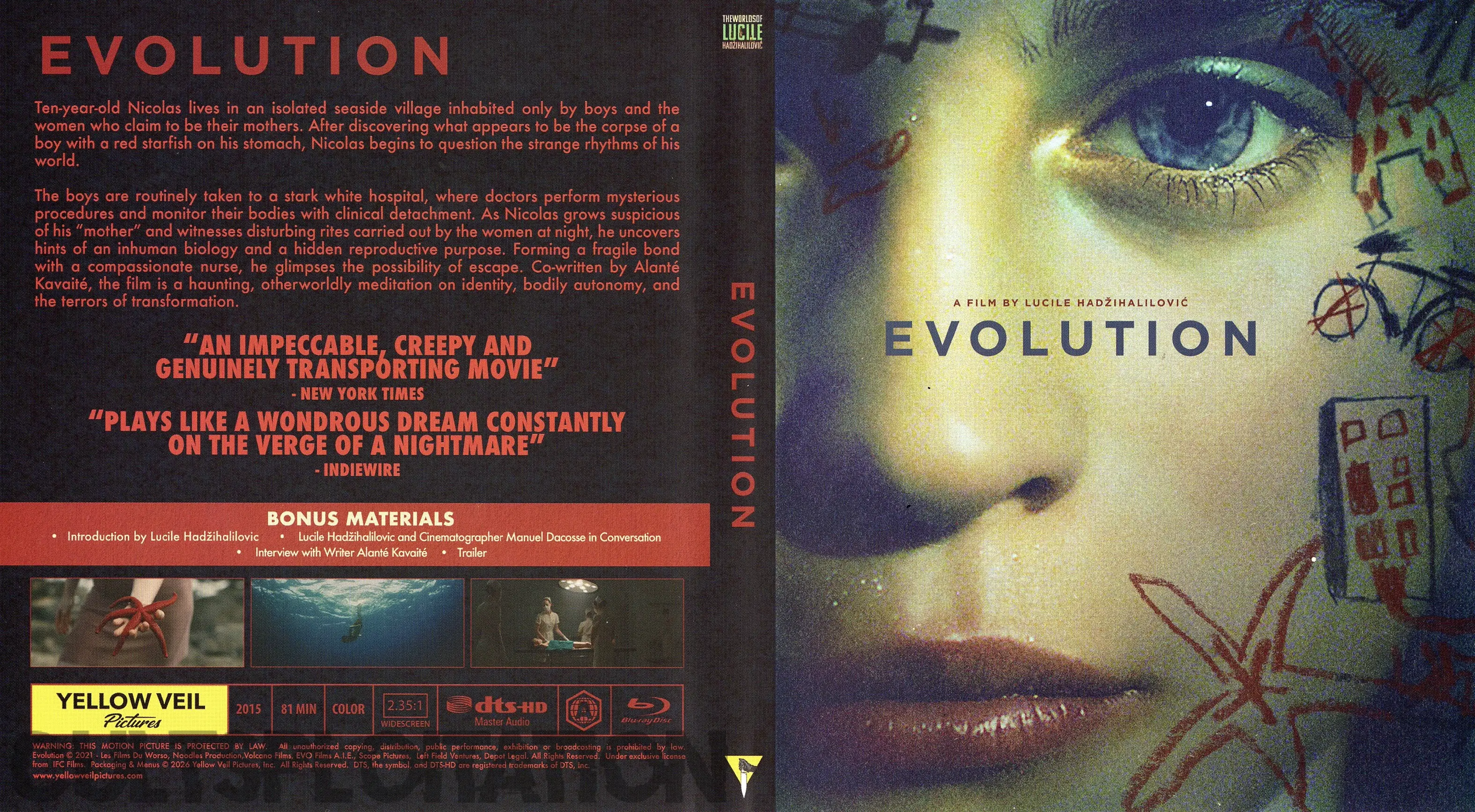
Evolution Review
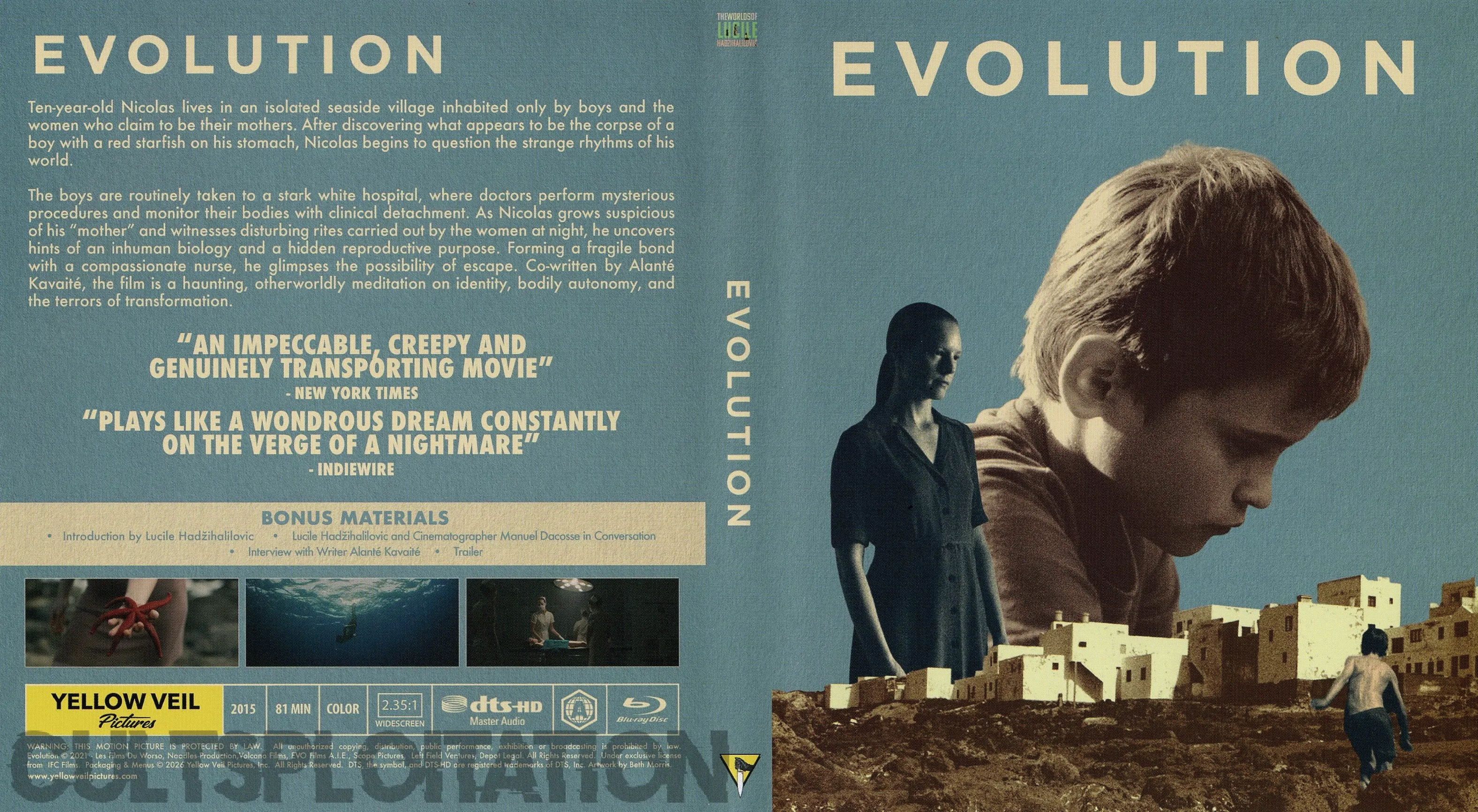
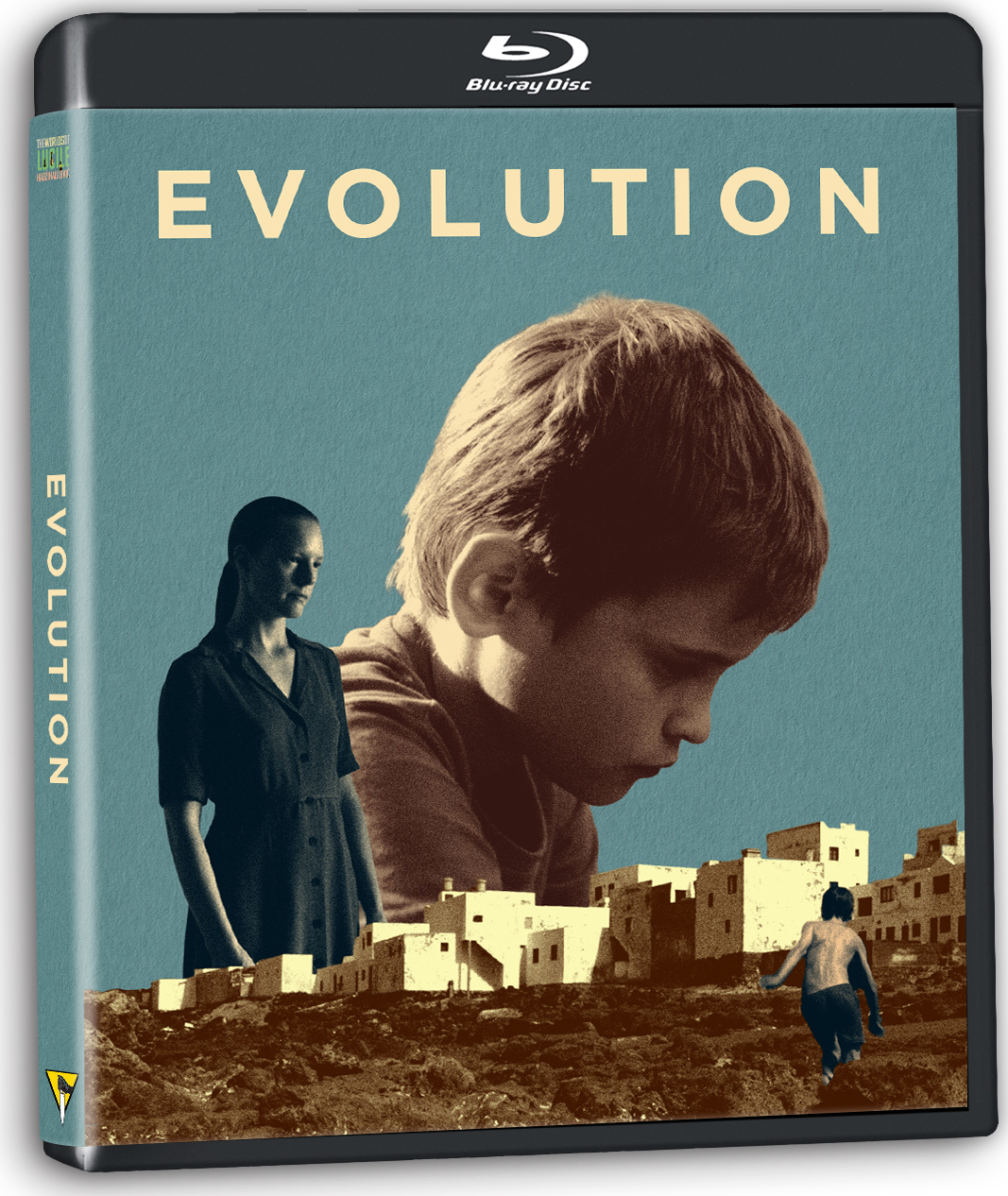
Ten years after the release of Innocence, Lucile Hadžihalilović returned to directing with a direct follow-up that acts as an inverse to her directorial debut, albeit with a much more intensified horror aesthetic. Evolution changes out young girls for young boys and the setting – here, a decrepit coastal hospital in an empty seaside village – evokes a different sense of dread, but the overall concept remains largely the same. Hadžihalilović uses much of the same exceptionally slow, methodical pacing, interspersed with beautiful cinematography of horizons and sealines to give a looming sense of unease to the proceedings, along with a similar use of ambiguous symbolism to cement a thematic concept.
In Evolution, the emphasis is certainly more suited toward the strange, taking a science fiction-adjacent approach instead of Innocence‘s more grounded realism. Through slow reveals, both the film’s protagonist and the audience learn about the weird experiments occurring in this hospital – specifically the impregnation of the boys to seemingly further the genetic line of sea-women taking care of them who all feature the same alien physical features. Hadžihalilović spends a lot of time leading up to these moments with a plodding pace that certainly does lend a sense of foreboding. Unfortunately, Evolution‘s secrets are a bit underwhelming due to the limited scope of the film, and by the conclusion the viewer might find themselves frustrated; in other words, “That’s it?”
Still, Hadžihalilović lends her own unique vision to this decidedly Lovecraftian angle (think something like Dagon, but more abstract) and her symbolism is still on full display, albeit with a seemingly endless variation of interpretations that actually detracts a bit from the thematic resonance. Enjoyability will largely depend on the viewer’s patience (even the film’s final reveal of a city looming on the horizon feels like it takes ages to actually appear), but Evolution is an enjoyable reprise of ideas Hadžihalilović explored in Innocence, even if it does feel a bit derivative.
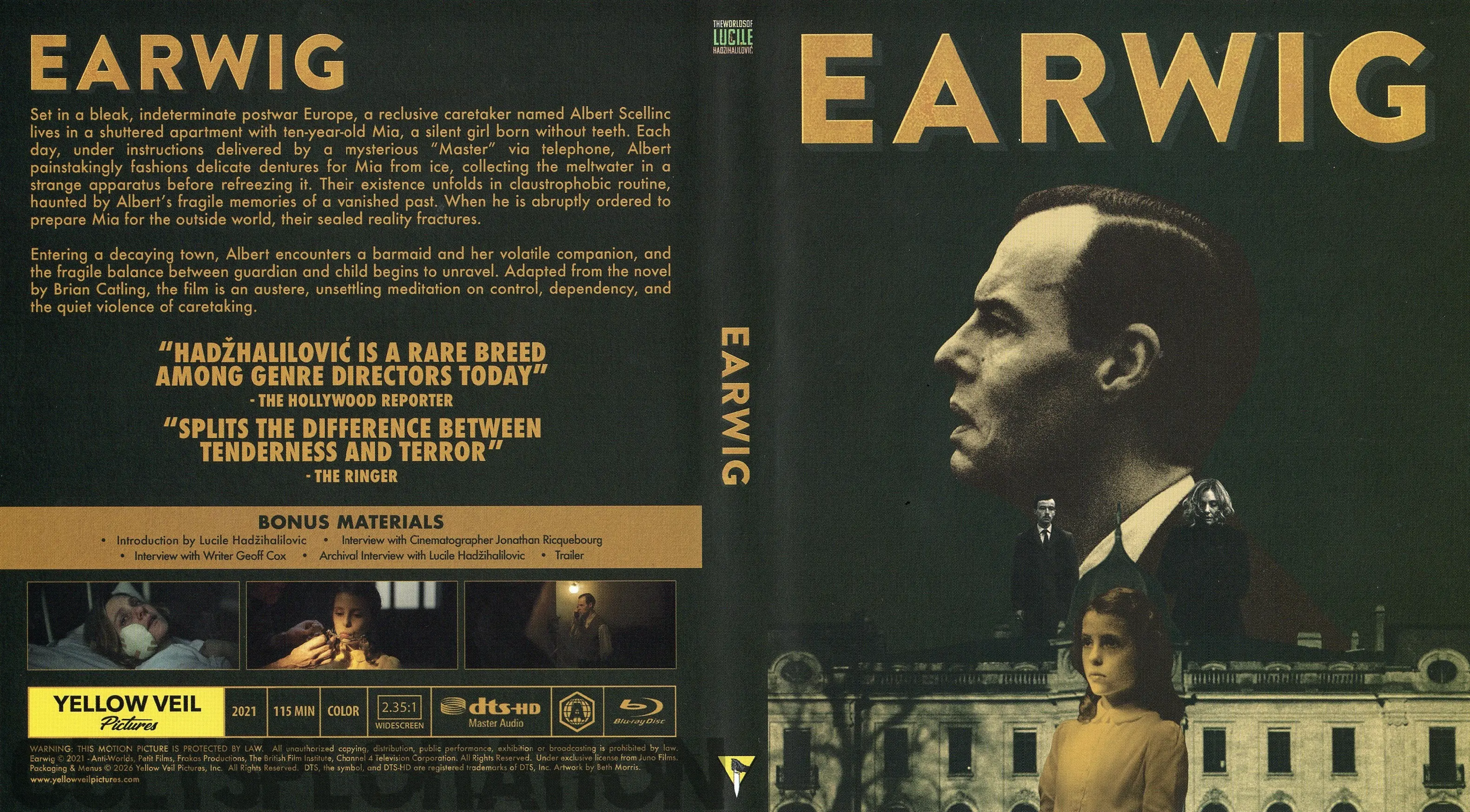
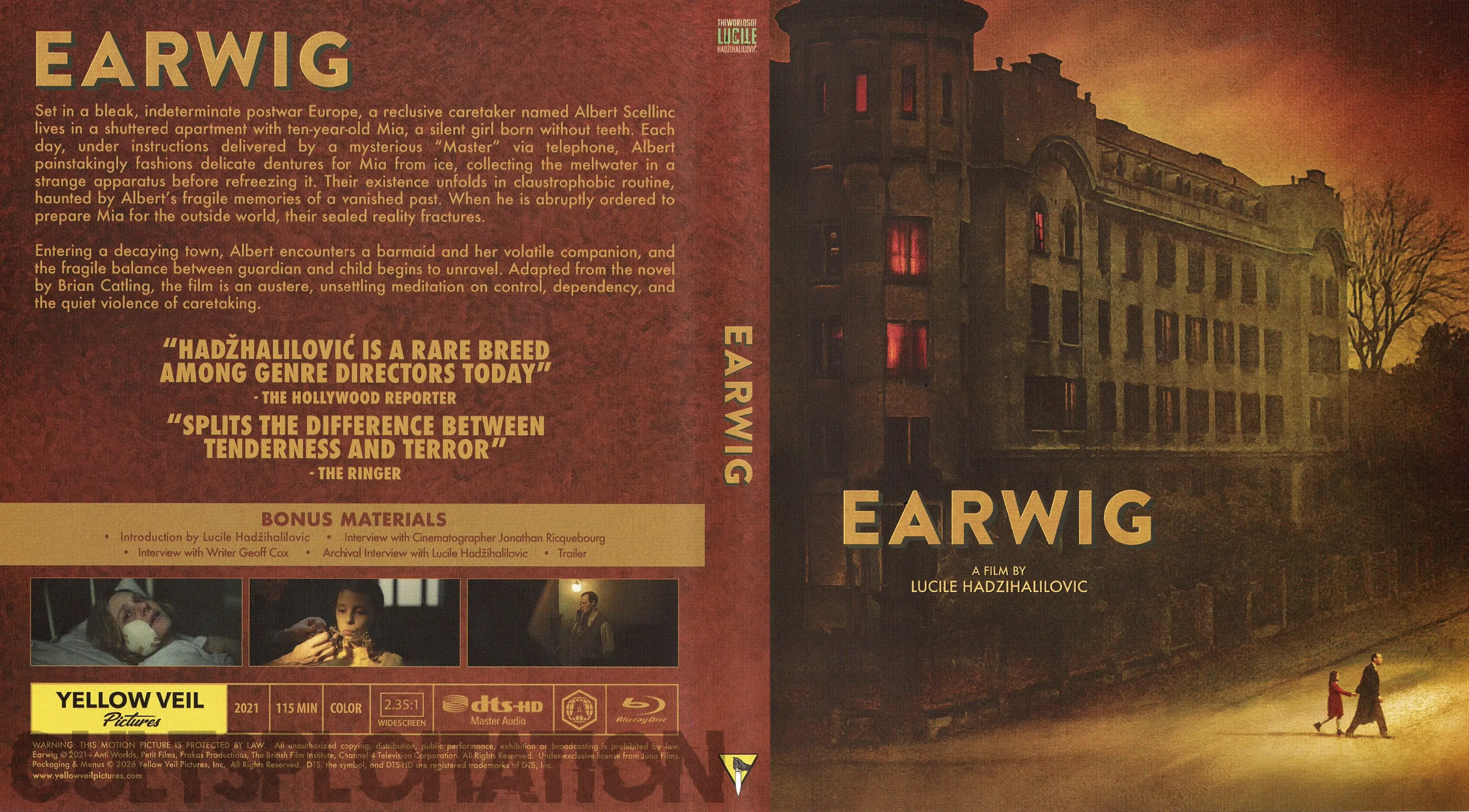
Earwig Review
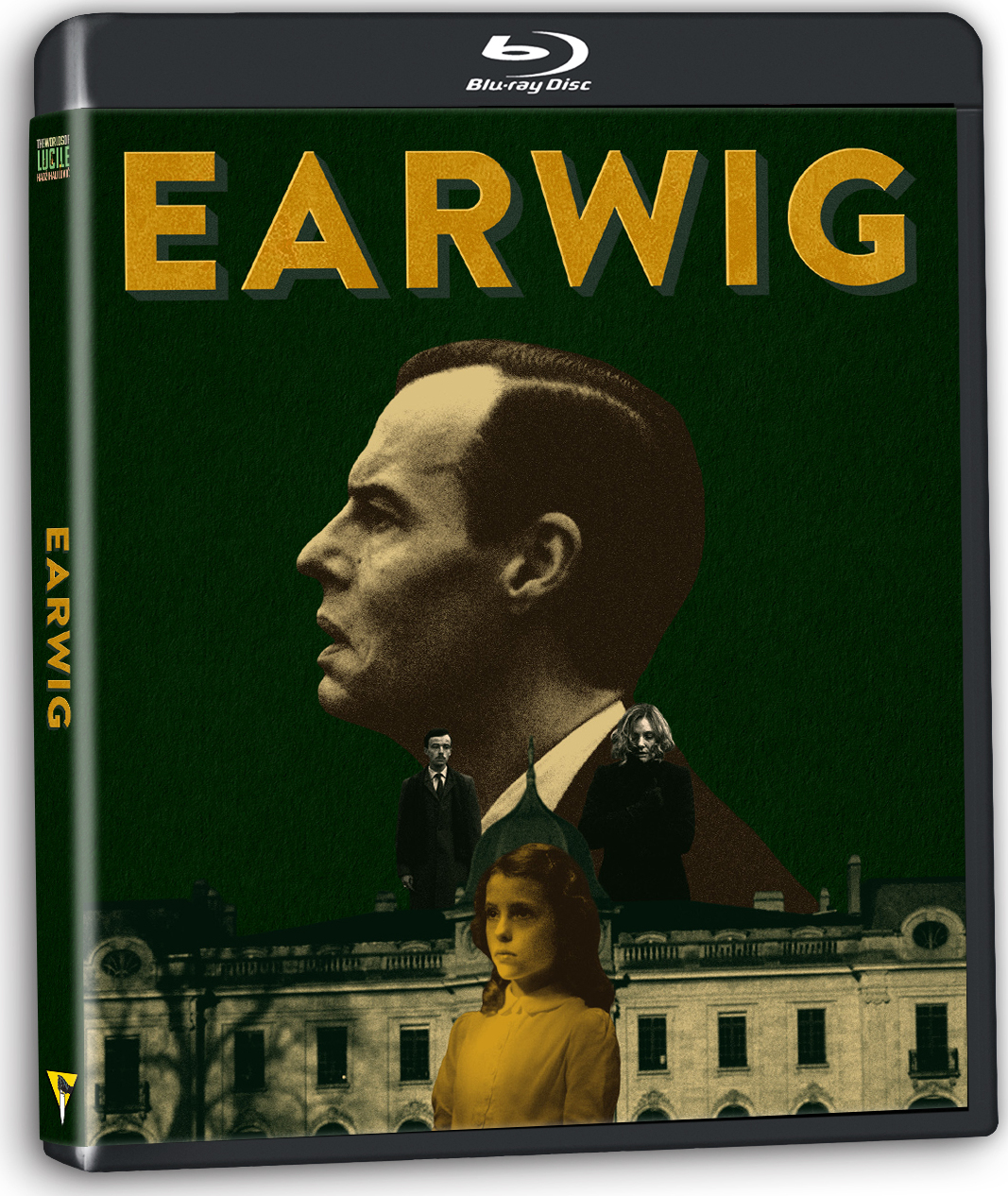
2021’s Earwig is based off of the novel of the same name by Brian Catling. Here Hadžihalilović adapts it into something that feels very sinister, much like a cross between Innocence and Evolution, but with even more reason to suspect the motives of the adults involved in the film are not good. The film’s storyline is bizarre and forces the viewer to piece together much of the story through context instead of dialogue; much of the movie is silent, its characters either unwilling or unable to communicate with each other and thus with the audience as well. It follows Albert (Paul Hilton), a caretaker for young Mia (Romane Hemelaers), as he seemingly prepares her for another man who keeps calling to check on her and provide money for her care. Very early it’s revealed that Mia’s teeth are made of ice, meticulously crafted every day from her own collected saliva and refashioned in an endless loop of discomfort and painful routine.
Eventually, Earwig splits off from the duo at their house after Albert feels the need to sneak out and grab a drink at a local pub. He’s confronted by a Stranger and eventually attempts to stab him with a broken bottle, but instead gouges a waitress in the face. Hadžihalilović then explores both sides of this convoluted spiral of suffering – with Albert slowly losing control of Mia’s health when her gums start to bleed after missing a day inserting her ice teeth, and the waitress Celeste (Romola Garai) convalescing with the help of a mysterious man (Alex Lawther) who seems to think she’d now make the perfect wife due to her newfound disfiguring.
Like the rest of Hadžihalilović’s films, Earwig is exceedingly slow and absolutely dripping with symbolism. Its main one seems to be glass, which becomes a recurring motif throughout the film: its breakability, its aural resonance (hinting, but never revealing, the titular conceit), and its light refraction. Again, Hadžihalilović never really offers much explicit interpretation here thanks to the lack of dialogue, instead leaving much of the metaphor open to interpretation and audience’s extraction of its themes. However, unlike Evolution there’s a more linear storyline here to shuttle viewers along, and that helps Earwig to focus its progression in a manner that, while often abstract, delivers an obvious narrative throughline. The film’s final moments are hauntingly bleak and yet also beautiful, a resounding comment on the role of caregiver and caretaker, of abused and abuser, and the steps in a dance that few will truly know and understand. Earwig recognizes that the uniqueness of suffering is hard to put into words, and so it doesn’t – it just lets it live in Hadžihalilović’s chilling visuals. Disquieting and evocative while also remaining stoically mute, Earwig is an experience that many audiences will probably shy away from; perhaps that’s entirely the point.
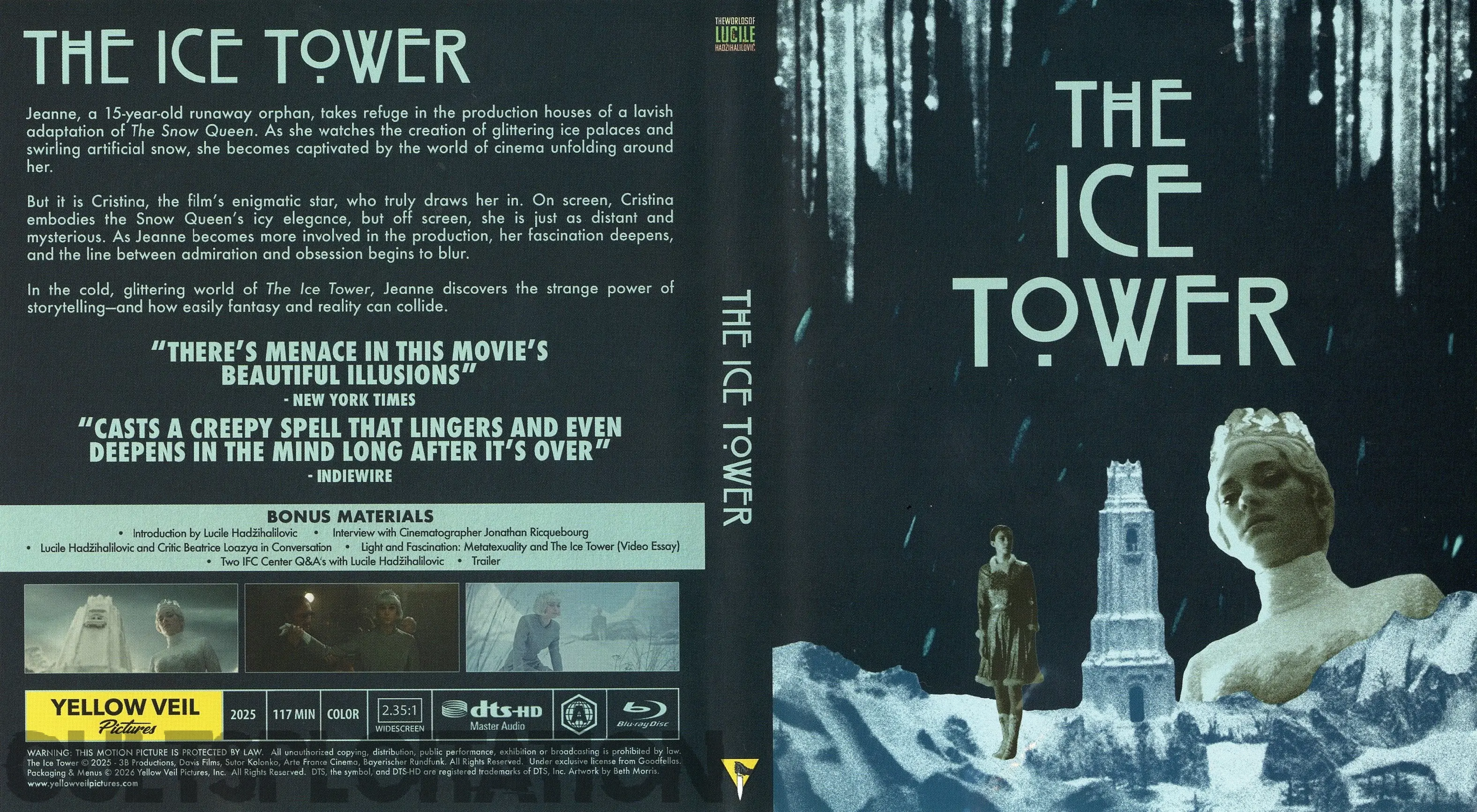
The Ice Tower Review
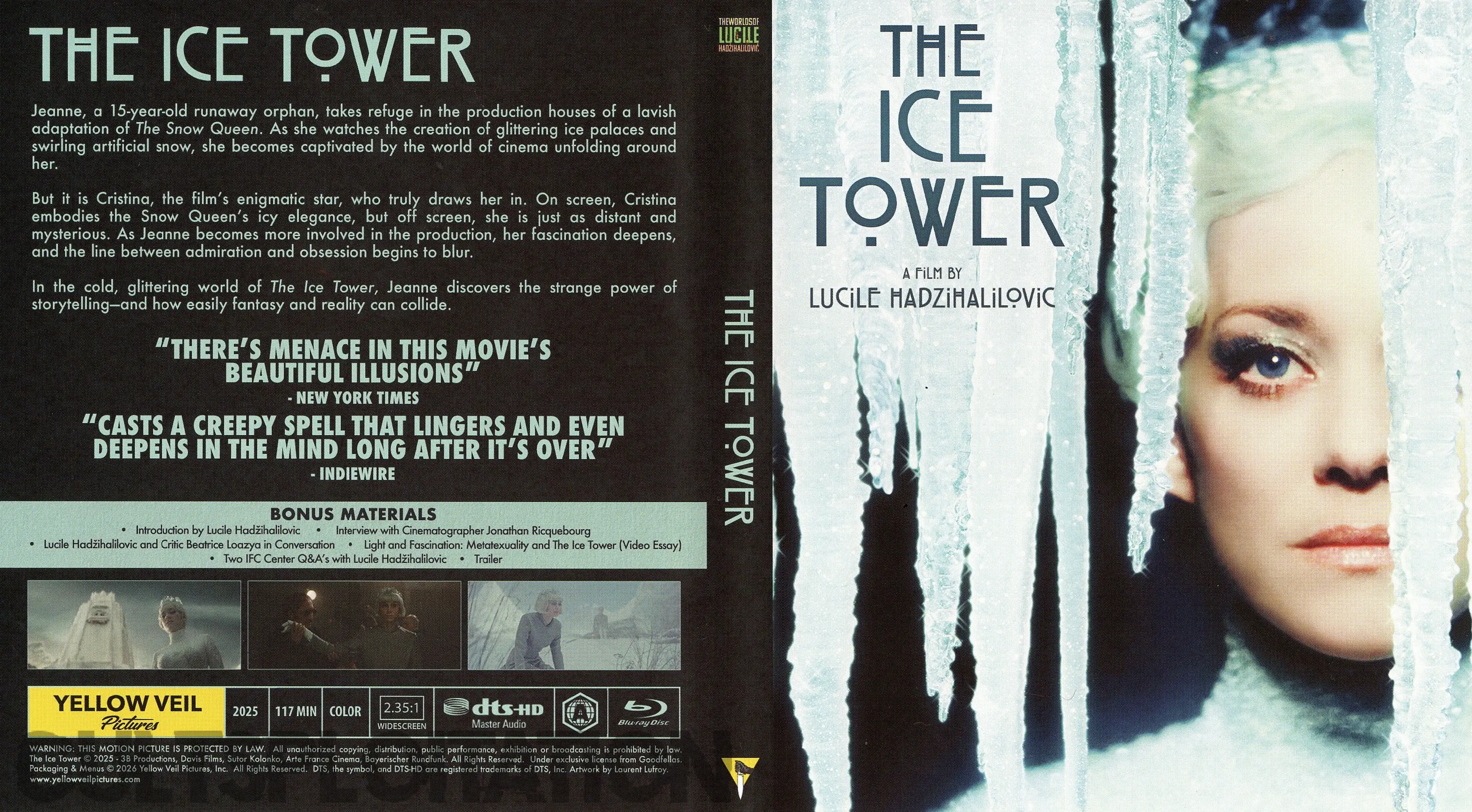
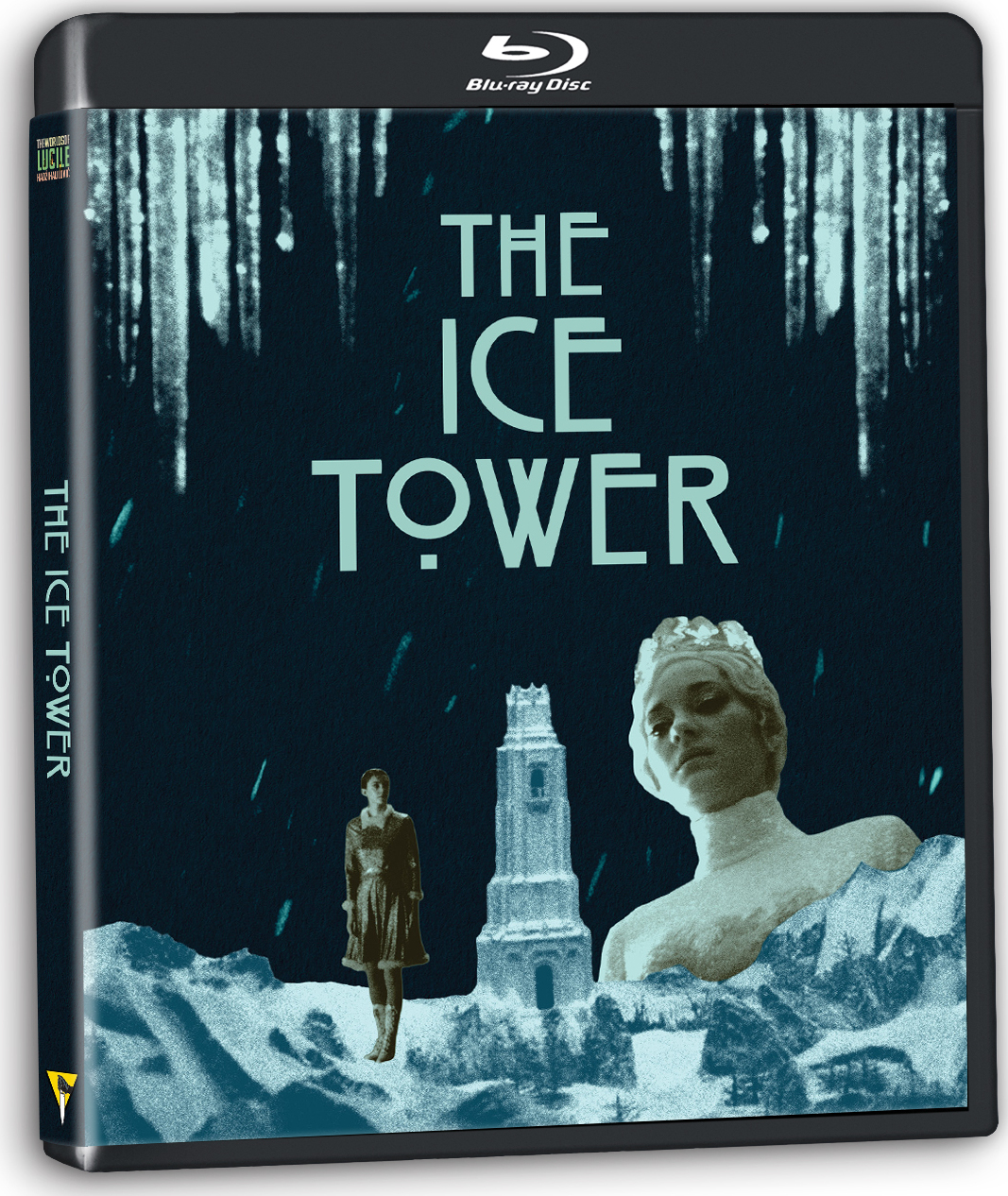
Lucile Hadžihalilović’s latest work, 2025’s The Ice Tower, may also be her most accessible and straight-forward. That’s not to say it’s an easy watch; it’s still quite liminal and, as its title suggests, glacially slow, and paired with its 2-hour runtime that could be an off-putting experience for the average viewer. It’s also reliant on the audience’s familiarity with Hans Christian Andersen’s “The Snow Queen,” his longest and arguably most intricate fairy tale. Here Hadžihalilović completely reimagines the short story while also casting the film’s main character, Jeanne/Bianca (Clara Pacini) in it – the plot employs a film-within-a-film narrative to give a dream-like quality to the proceedings, in part suggesting that the whole thing may not really be happening at all.
The Ice Tower comes built in with the baggage of Andersen’s story, but the film often narrates the major elements of “The Snow Queen” for those who may not know it. Ultimately, though, Hadžihalilović is working under the guise of another female coming of age story, in this case with a slightly older protagonist who is orphaned after her mother commits suicide. Running away from her orphanage, she stumbles onto the set of a film version of “The Snow Queen” starring a haughty diva named Cristina (Marion Cotillard), who eventually seems to take Jeanne under her wing in a motherlike way. But throughout, Hadžihalilović hints at the obvious parallels between real-life Cristina and the Snow Queen she plays, with Cotillard providing an excellently icy performance that instantly conjures both unease and empathy; there’s an amazingly moving moment where Jeanne watches from afar as Cristina breaks down in front of a solitary tree and the bleakness of drifting snow in the night, emphasizing the deep sadness within her too.
Or is it? The Ice Tower consistently forces the viewer to question the “goodness” of Cristina’s actions, an especially confusing and manipulative factor in Jeanne’s life. In the film’s later moments, it’s clear that what Cristina really seeks is simply power; it’s not out of love or affection, but something she wants. The film’s symbolism focuses on similar themes that have been explored throughout this Hadžihalilović set, including reflection, bond, and maneuvering that anxious space between childhood and adulthood. But here, The Ice Tower feels a bit too safe set against the obvious concepts already implied by following Andersen’s original story. The conceit is good, and Hadžihalilović’s direction is expectedly frigid and fraught with a brooding malice, but the film also leans too much on narrative collusion with “The Snow Queen” instead of expanding on its own thoughts.
The Ice Tower may be Hadžihalilović’s weakest in terms of overall concept, but the execution is eloquent and unsettling. It retains her penchant for presenting dread even when there’s no explicit reason for it. Its snowy embrace keeps the viewer at fair distance, but inevitably finds them warming to the beautifully bleak cinematography and use of bleary color lighting to provide a suitably nightmarish quality.
Blu-ray Review
The Worlds of Lucile Hadžihalilović collects each of the four films on their own discs, giving them a nice amount of room and a number of extras for each. Innocence has been available on Blu-ray in France for some time released by Potemkine, but Yellow Veil Pictures gives it a North American debut with potentially the same existing master (it’s not noted whether any of these films have been restored or what the source material is). Whatever the case, the film looks great in high-definition with an intentionally grainy and at times obfuscated visual flair that adds to the overall tone of the movie. Of particular note are well-delineated black levels that add contrast to many of the film’s dingier sequences, as well as the excellent color grading that intentionally emphasizes the deep hues of the girls’ various hair bows. Evolution is likely the same master as a previous release on Blu-ray from Scream Factory, though I don’t have that version to compare. But it looks quite good here, managing the film’s underwater explorations quite well while exhibiting a fairly grainy overlay that can appear a bit blocky at times especially during darker sequences, hinting at a possible slight amount of compression. Earwig was previously released on Region B Blu-ray by Anti-Worlds releasing and this is likely the same transfer used on that disc, which looks exceptionally good even in its darker moments; it retains Hadžihalilović’s penchant for thicker structural grain without blockiness or notable artifacts, and really accentuates the excellent moody cinematography from Jonathan Ricquebourg. The Ice Tower utilizes a very effective cold visual scheme, and the cinematography looks excellent on Blu-ray highlighting the snow-rimed sets. Hadžihalilović utilizes a particular lighting style here that, in certain moments, can almost look like haloing, but that seems to be an intended choice rather than an issue with Blu-ray presentation.
For all films in this set, audio is presented with both a DTS-HD Master Audio 5.1 and 2.0 track in French with English subtitles defaulted. Both Innocence and Evolution contain similar techniques which sounds quite good and utilizes satellite speakers for specific sound effects and the enveloping sinister drones. Earwig‘s audio and spatial experience is part of the themes of the film, and this is represented well especially with the surround sound track that expands the aural landscape and emphasizes quieter moments, along with great high tones with the glass ringing effects. The Ice Tower is similarly fond of its dynamics, offering a muffled quiet experience with occasional swells of sinister drones that works very well on the Blu-ray, with the bass expanding quite nicely at times.
For extras, Hadžihalilović provides introductions for all of the films on this release, including the two included short films on the Innocence disc “De Natura” and “Nectar.” Also on the Innocence disc is an archival featurette with actress Zoe Auclair, who plays one of the main characters and a red ribbon girl in the film; she provides an audio interpretation of the film and some behind-the-scenes info while a slideshow of photos plays. A new video essay from Alexandra Heller-Nicholas relies on the video footage, since it primarily analyzes shot structure and composition of the film and how these help aid the themes along with its reliance on clock symbolism. There’s also a 20 minute Q&A with Lucile Hadžihalilović is from a screening at the IFC Center in October 2025. A trailer is also included.
On the Evolution disc, we get a half hour interview with both Lucile Hadžihalilović and cinematographer Manu Dacosse that runs through the scriptwriting process, the shot framing choices, the use of Cinemascope, and the relationship between the two artists to create the dream-like world in Evolution. Alanté Kavaïté provides a new interview where she discusses the collaboration with Hadžihalilović on the script, the feeling that they hoped to convey with the film’s plot, and the inspirations from painting and literature. A trailer is also included on this disc.
For Earwig, there is a new interview with cinematographer Jonathan Ricquebourg discussing the specific shot choices on set including lighting techniques for the darkness, the vision that Hadžihalilović brings to her films, and the color grading that is used in the film. Co-writer Geoff Cox discusses working on Earwig after experiencing the novel by Brian Catling, the lack of dialogue within the majority of the movie, and working within the confines of Hadžihalilović’s unique worlds. There’s also an archival 20 minute interview with Hadžihalilović in which she talks about various inspirations and ideas that informed the movie, all segmented by on-screen “chapter” breaks. A trailer is included.
Finally, on The Ice Tower, there’s another new interview with cinematographer Jonathan Ricquebourg discussing his second collaboration with Hadžihalilović, finding a studio for the film studio within the movie, and its vague time period set in a mysterious 1970s decade. An interview moderated by Beatrice Loayaza features Hadžihalilović prior to her screenings at the IFC Center talking about her filmography overall, use of provocation in film, and then more specifically The Ice Tower and working with Marion Cotillard again. Along with this are two Q&A sessions from the two-day screening at the IFC Center. Alexendra Heller-Nicholas contributes another video essay drawing parallels to Hadžihalilović’s previous Innocence, and the use of voiceover to refer both to the film’s story inspiration and cinema as a whole. Again, a trailer is included.
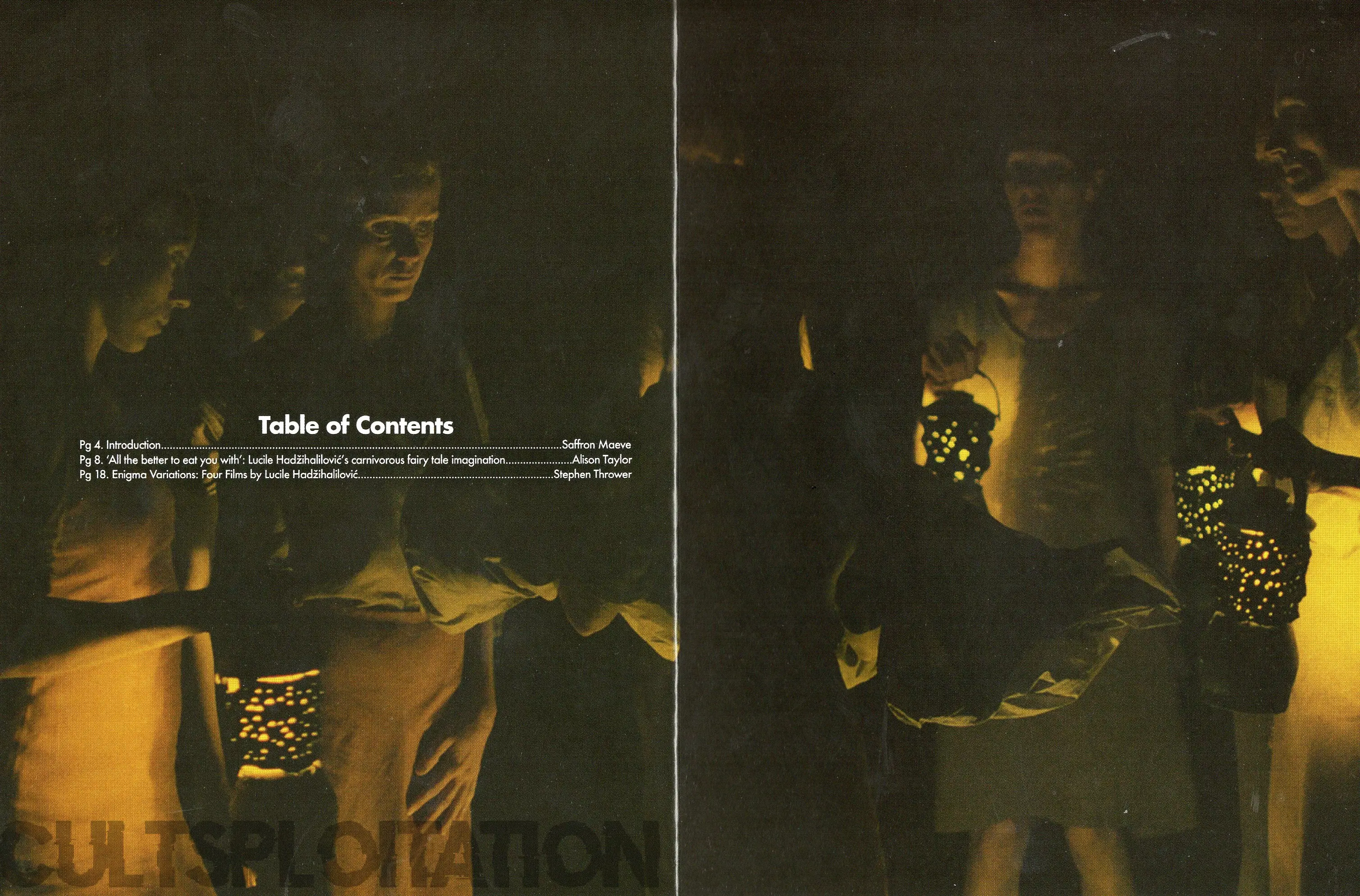
Yellow Veil Pictures’ box set includes reversible cover artwork for each film (see scans in each individual gallery) as well as a 60-page booklet featuring new writing frint Saffron Maeve, Alison Taylor, and Stephen Thrower. Maeve’s essay serves as an introduction to the cinema of Hadžihalilović as a whole; Taylor dives into the thematic elements of childhood and youthfulness and its relation to the general fairy tale; and Thrower provides the lengthy bulk of the writing by offering his own analysis of each of the four films in depth.
Extra Features
DISC 1: Innocence
- NEW Introduction By Lucile Hadžihalilović (1080p; 5:06)
- NEW DE NATURA introduction by Lucile Hadžihalilović (1080p; 1:52)
- NEW NECTAR introduction by Lucile Hadžihalilović (1080p; 1:54)
- Short Film DE NATURA (1080p; 5:45)
- Short Film NECTAR (1080p; 18:14)
- Innocence Explained By Actress Zoé Auclair (1080p; 10:47)
- NEW Video Essay By Alexandra Heller-Nicholas (1080p; 13:16)
- NEW Q&A At The IFC Center (1080p; 23:58)
- Trailer (1080p; 1:32)
DISC 2: Evolution
- NEW Introduction By Lucile Hadžihalilović (1080p; 4:39)
- NEW Discussion Between Cinematographer Manu Dacosse And Director Lucile Hadžihalilović (1080p; 32:30)
- NEW Interview With Writer Alanté Kavaïté (1080p; 15:21)
- Trailer (1080p; 2:13)
DISC 3: Earwig
- NEW Introduction By Lucile Hadžihalilović (1080p; 5:05)
- Interview With Lucile Hadžihalilović (1080p; 20:41)
- NEW Interview With Co-Writer Geoff Cox (1080p; 22:07)
- NEW Interview With Cinematographer Jonathan Ricquebourg (1080p; 10:09)
- Trailer (1080p; 1:46)
DISC 4: The Ice Tower
- NEW Introduction By Lucile Hadžihalilović (1080p; 8:47)
- NEW Interview With Cinematographer Jonathan Ricquebourg (1080p; 9:28)
- NEW Interview With Lucile Hadžihalilović By Beatrice Loayaza (1080p; 22:38)
- NEW October 3, 2025 Q&A At The IFC Center (1080p; 19:59)
- NEW October 4, 2025 Q&A at The IFC Center (1080p; 14:05)
- NEW Video Essay By Alexandra Heller-Nicholas (1080p; 14:42)
- Trailer (1080p; 2:07)
BOXSET
- NEW Boxset artwork collecting the four Blu-ray cases
- NEW 60-page companion book featuring essays by Saffron Maeve, Alison Taylor and Stephen Thrower
Verdict
The worlds of Lucile Hadžihalilović are certainly not for everyone, but those who enjoy the odd liminal spaces that films can conjure will surely enjoy the particular techniques and storylines of her works. Yellow Veil Pictures has assembled an excellent box set full of extras and illuminating essays from prominent critics with excellent analyses of these works to give viewers hours of content to sift through. Recommended.