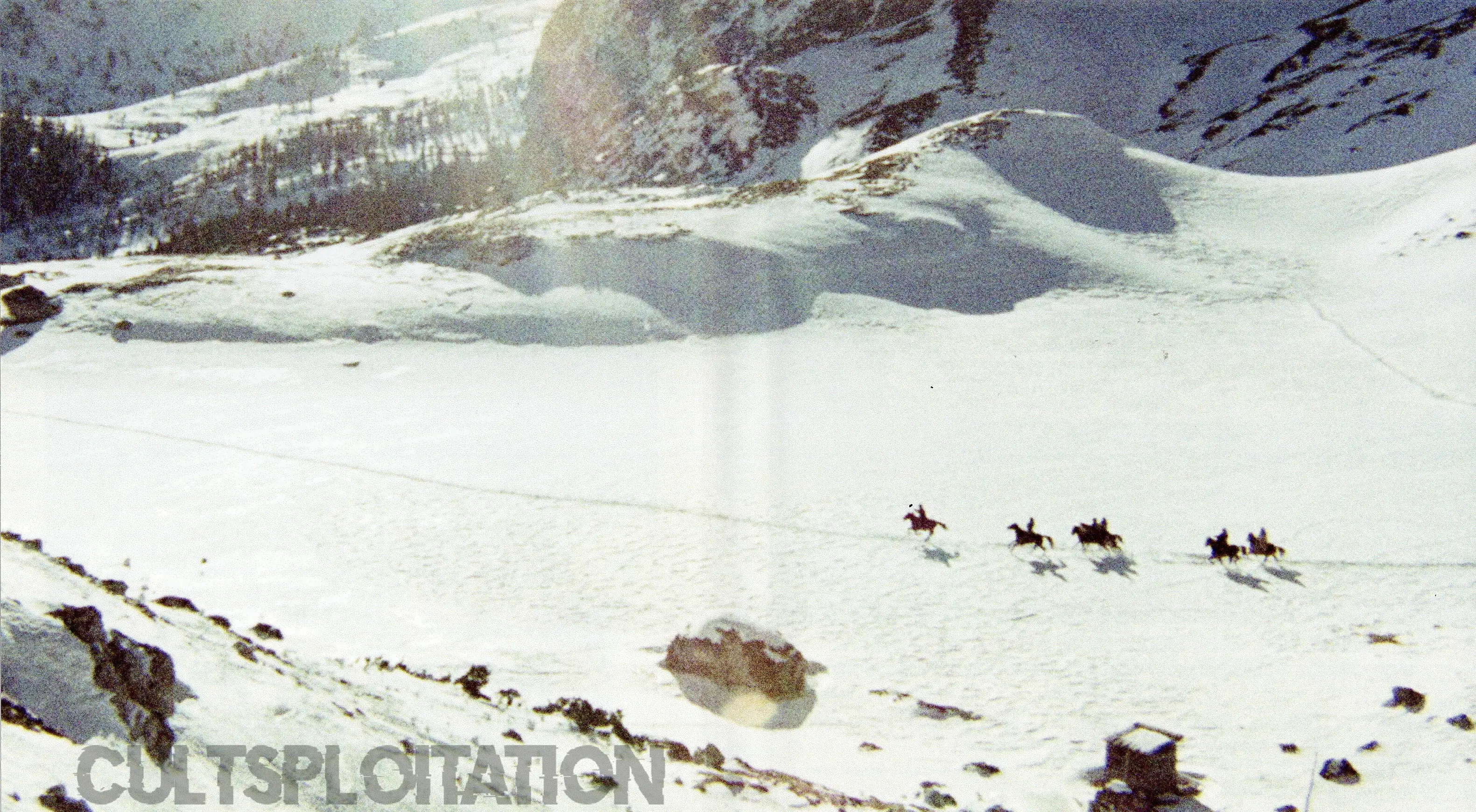

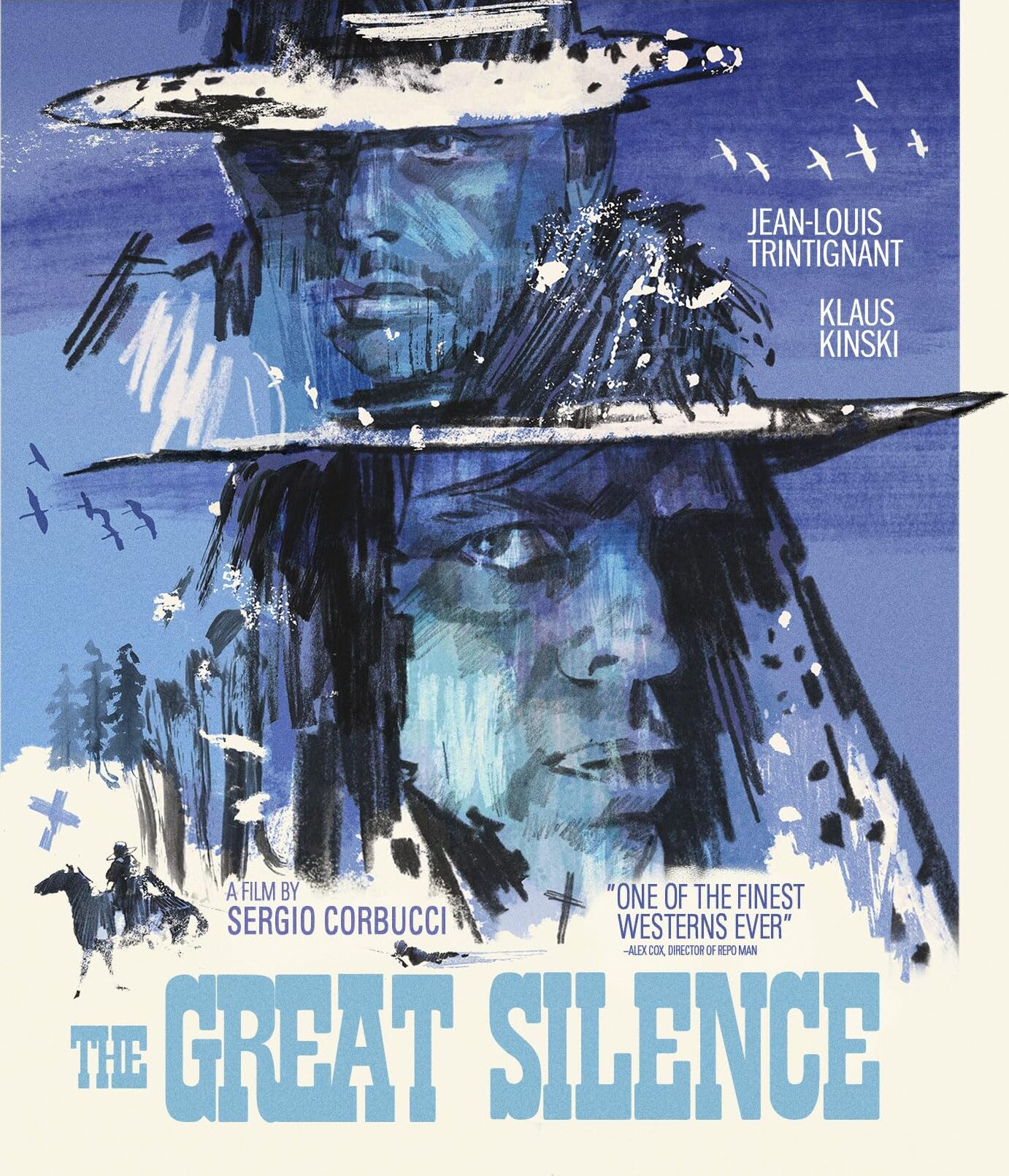
It’s not often spaghetti westerns are set in the cold. Generally a large part of the subject matter includes the appearance of oppressive heat, as sweaty grizzled men camp out and attempt to survive extreme conditions while the threat of being gunned down by horse-riding assassins looms over them. In Sergio Corbucci’s The Great Silence, the opposite tact is taken; instead of sweltering temperatures, its inhabitants are subjected to the harsh snowy fields of Utah, where freezing to death or starving is a natural consequence of the weather. The wintry setting is important mood-setting for Corbucci’s film about the titular character Silence (Jean-Louis Trintignant), both as a backdrop for oppression and to conjure the overwhelming blanket of quiet indicated by the film title’s secondary meaning, setting up a particularly unique blend of the subgenre’s gunslinging centered around a quiet stranger with mysterious motives.
Corbucci is no stranger to this type of storytelling; in fact he set up one of the longest-running hero figures in the spaghetti western filmography with 1966’s Django. Here, he utilizes a similar playbook to establish Silence with a matching set of traits, almost to stereotypical effect – he’s a fast hand at the gun, he only murders villainous bounty killers, he likes to shoot off thumbs to prevent them from being able to handle a weapon, and he’s also mute. The literal quieting of Silence’s voice means he can’t really explain his motivations to anyone, making him the ultimate Stranger figure – and yet Corbucci doesn’t refrain from giving him a flashback sequence to show how an act of vengeance keeps looping around and around like the canyon echo of a gunshot. That stereotypical nature is also intentional, since The Great Silence spends just as much time with Klaus Kinski’s villain Loco, a self-proclaimed bounty killer who never brings anyone in alive, simply taking the lower price but managing it by the quantity of the dead he drags in.
Interestingly, Corbucci’s focus on Kinski’s Loco provides the more interesting juxtaposition in the film. Kinski is never explicitly manic or over-the-top, but his mannerisms and facial features, along with his more loquacious nature, set him as the natural foil for Silence’s muteness. Ironically, Loco’s ability to speak and dictate his ideals reveals he stands for nothing, a stark reminder of the kind of frontier justice that was doled out on the regular. The film consistently reminds, though, that Loco’s not acting outside of the law here; while The Great Silence hints that the government is looking to nix the bounty hunter profession entirely, bringing in a sheriff (Frank Wolff) to try to rectify the lawlessness in Snow Hill, the profession is constantly being flooded with new targets thanks to the town’s shopkeep and usurer Pollicut (Luigi Pistilli). He uses the usual fascist techniques – specifically, scapegoats – to ostracize people from the community; after they inevitably try to steal food from the town due to starvation, they’re labeled outlaws and it’s fair game for people like Loco to murder them for sport and money.
The Great Silence effectively turns the spaghetti western format upside down once it’s clear in the film’s conclusion that Silence is not going to win this fight; the game is rigged, and only the government can really end the violence. The film’s final conclusion, elongated via slow plodding footsteps, is glacially paced on purpose, agonizingly drawing out the inevitable end of the hero and the massacre that follows. Icy dread follows Silence as he makes a knowing march to his death, recognizing that the cycle of vengeance turns on. Corbucci ends with Loco stating everything they’ve done is completely legal before a (somewhat unnecessary) end card makes a similar pronouncement. Despite the film’s absolutely dour 105 minutes, The Great Silence is a refreshing attempt to redefine how viewers think about the spaghetti western, about the definition of heroes and villains in this time period, and the proliferation of this kind of legal government-sanctioned violence that continues even today.
The Great Silence 4K UHD Disc Review
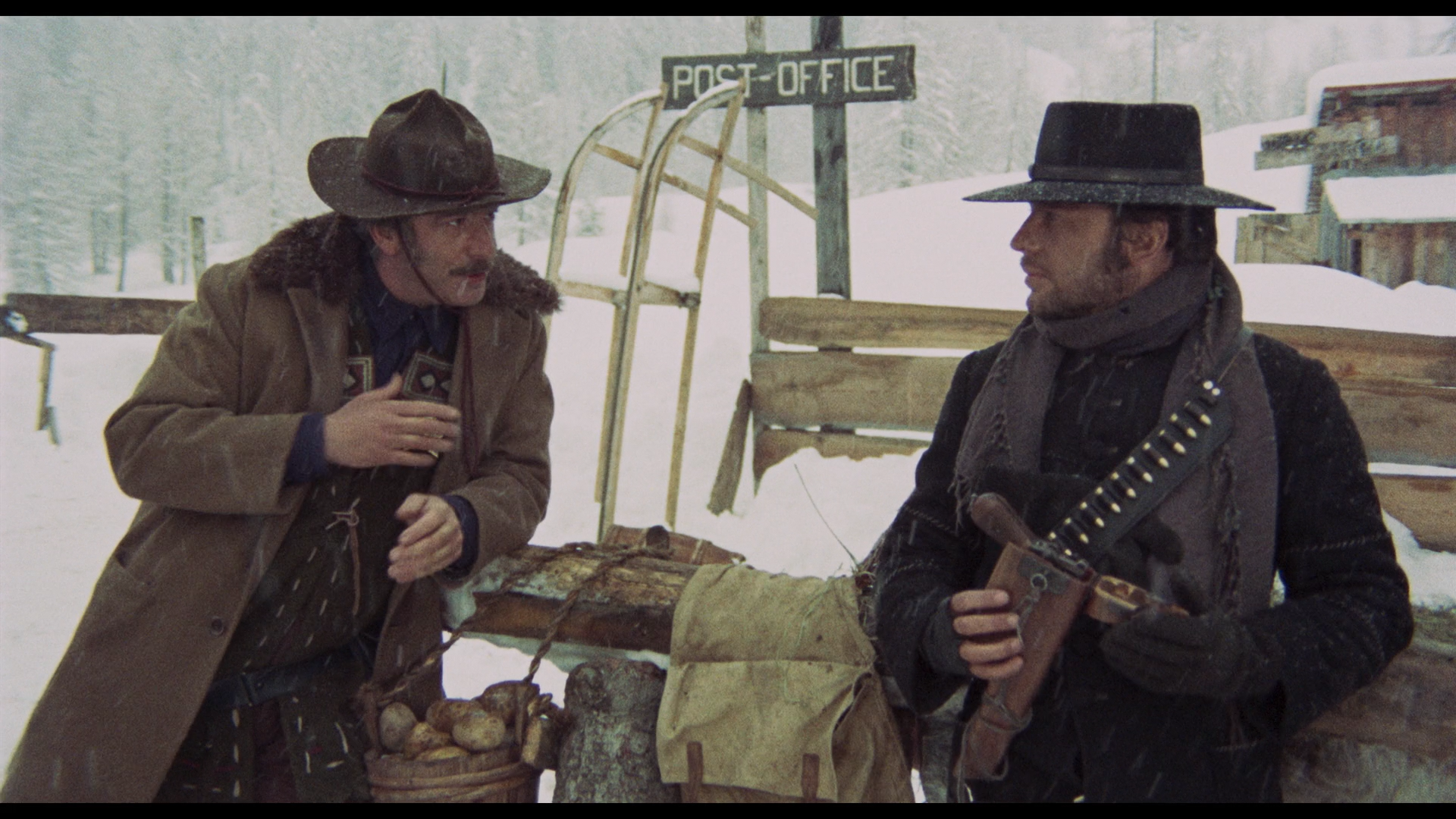
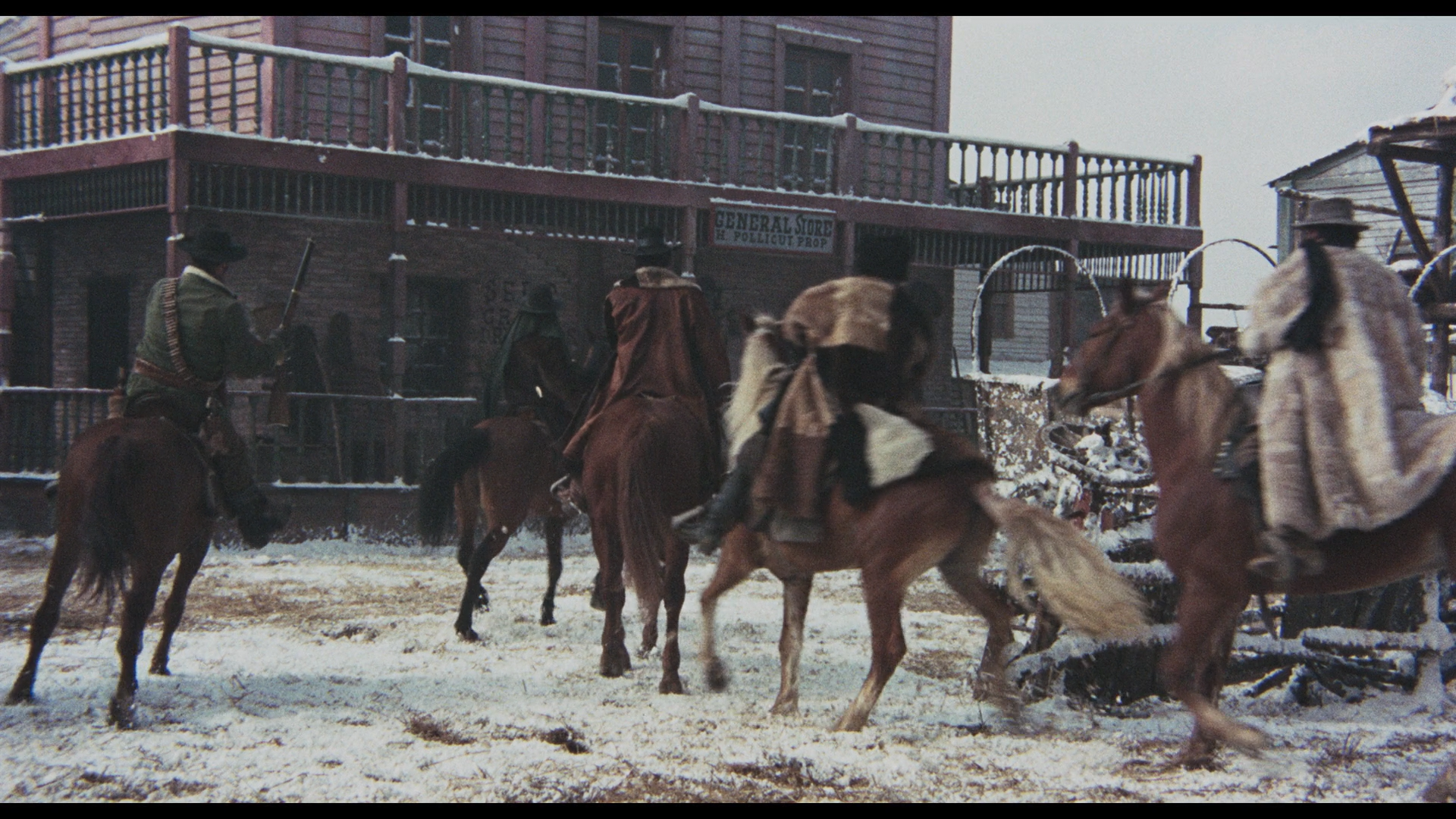
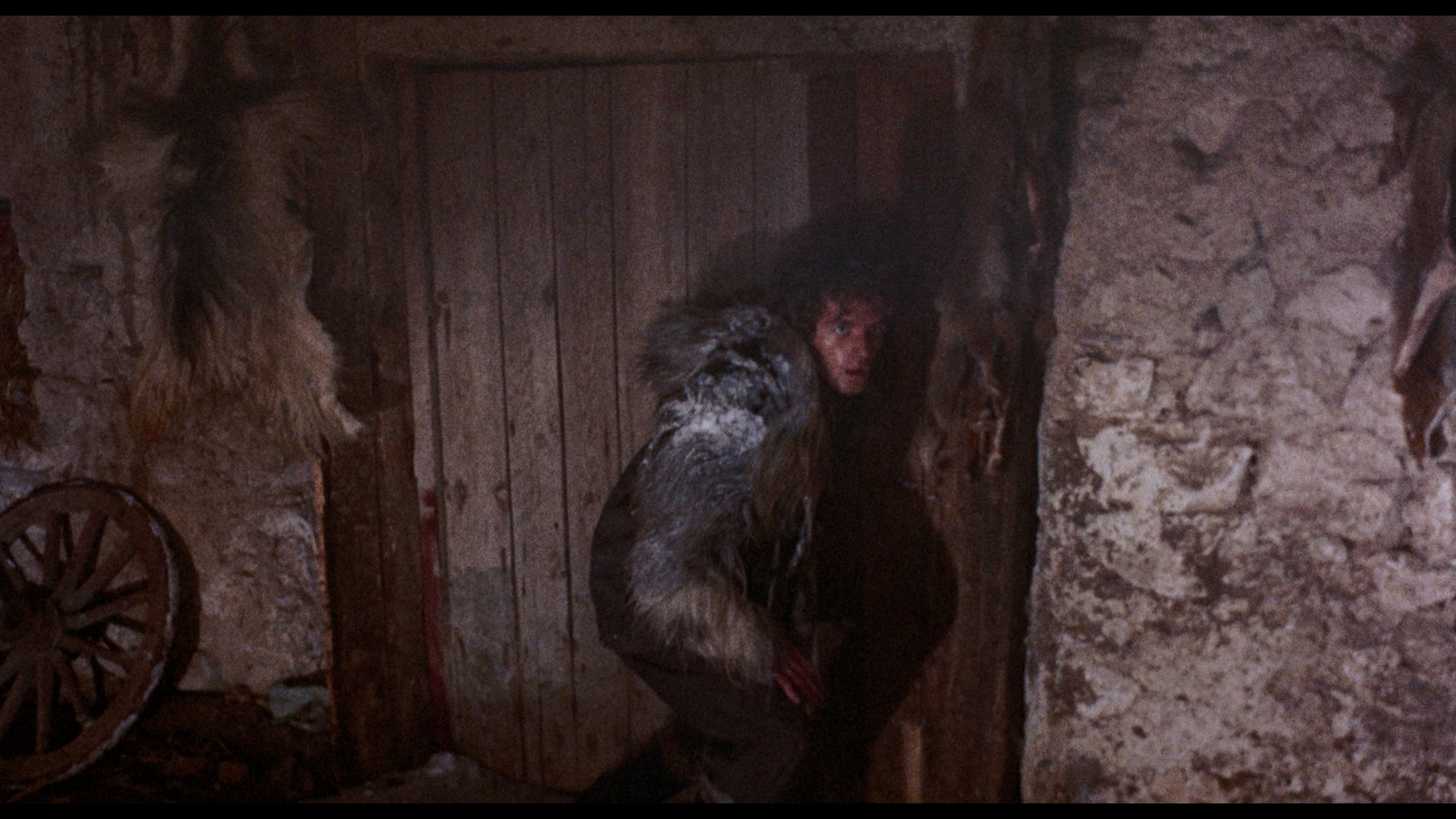
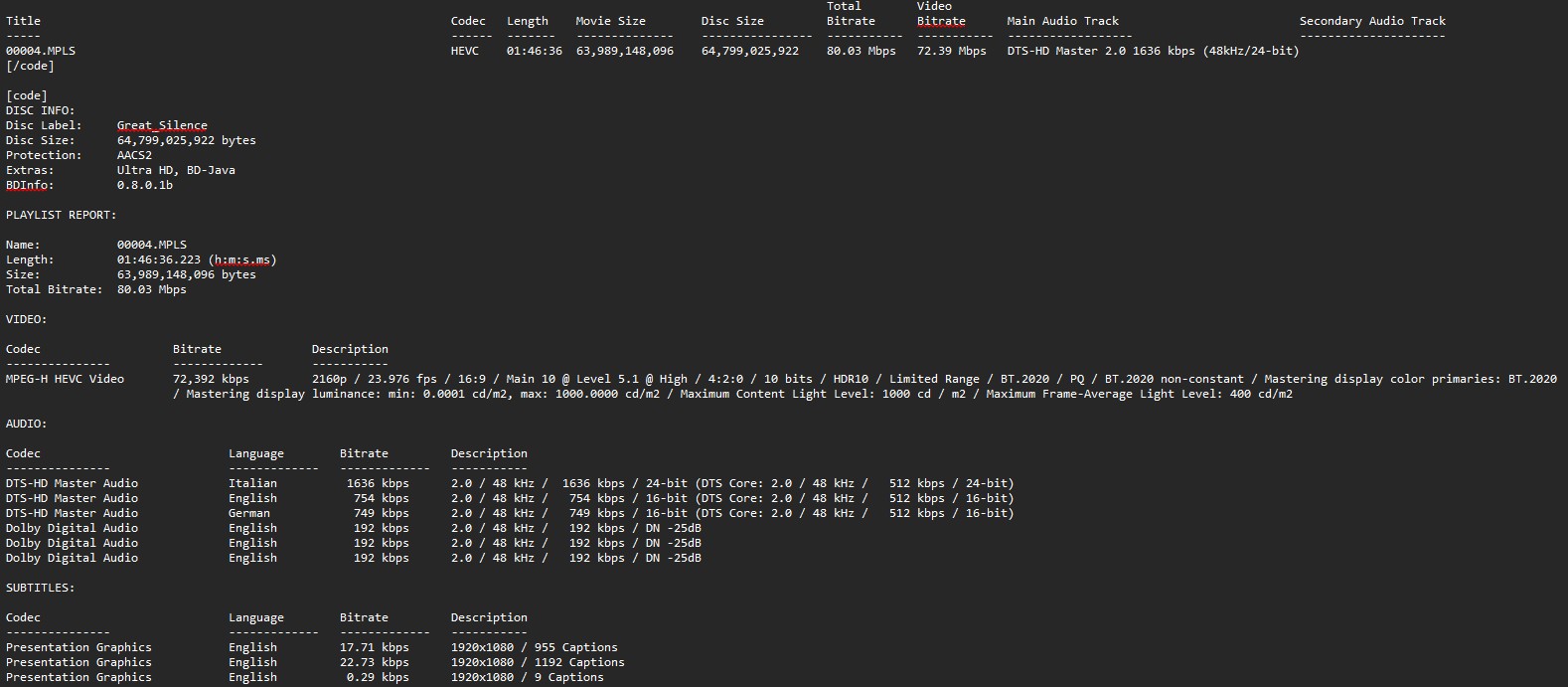
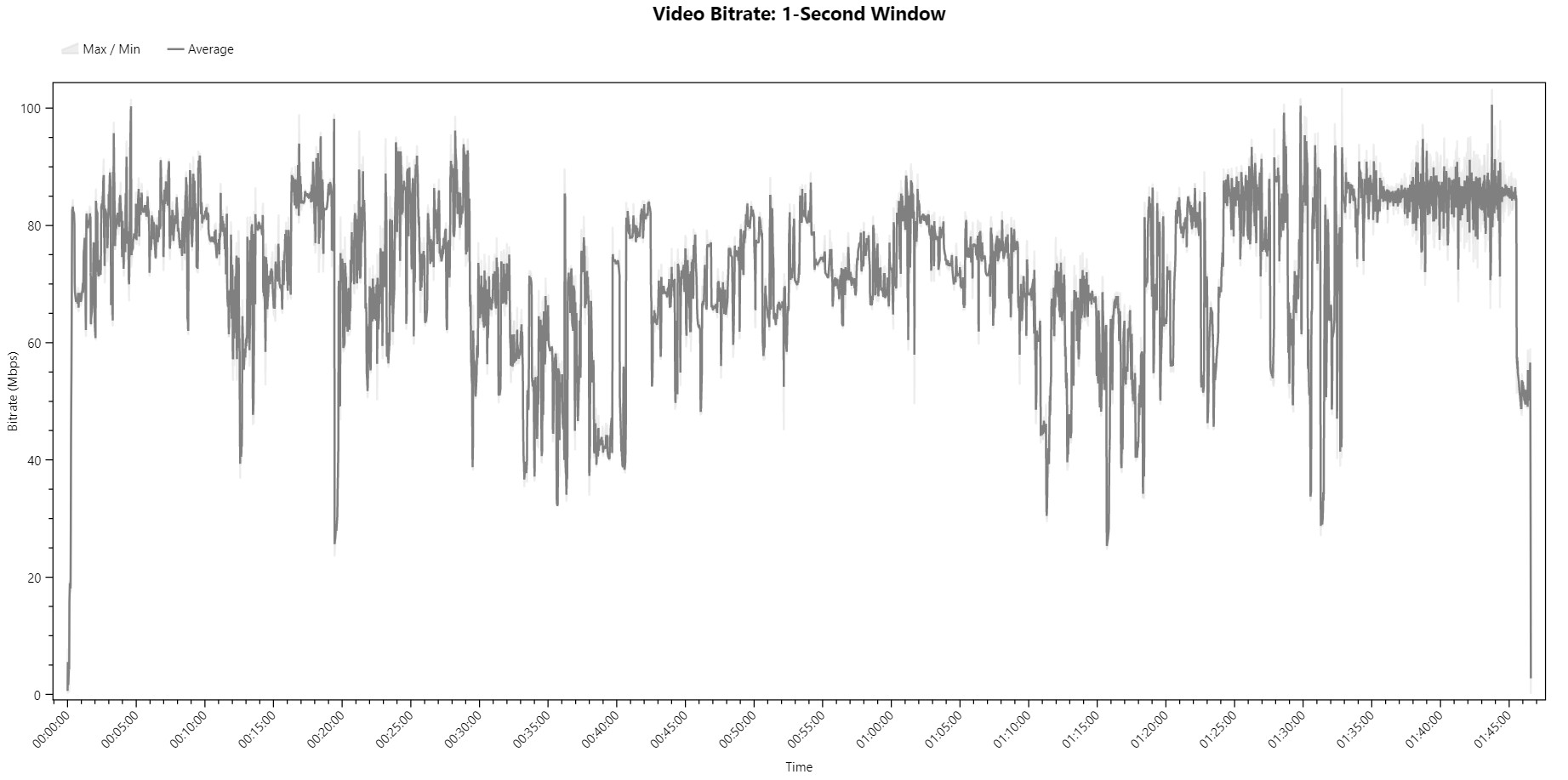
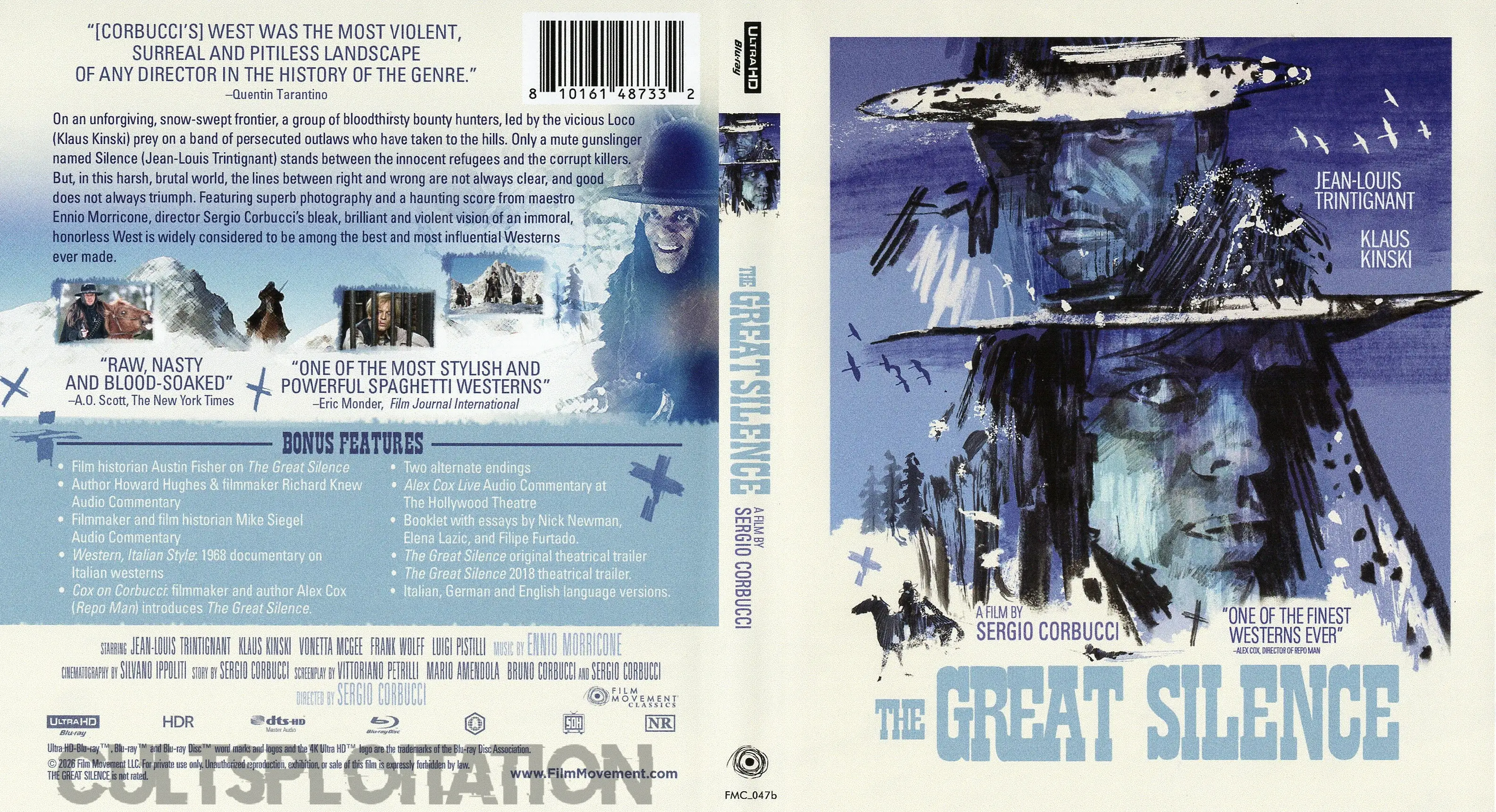
Film Movement Classics, a partner label under the Vinegar Syndrome umbrella, has released The Great Silence in a 4K UHD/Blu-ray set with a 4K restoration of the film. There’s really not much information on the transfer itself, and it likely is the same one that accompanied the German UHD release by Filmjuwelen; I’ve seen a couple other people confirm that but I don’t have official confirmation myself. With that said, this transfer looks quite good in terms of image quality, with much of the film retaining a filmic medium-bodied grain that resolves nicely even during the wondrous shots of unbroken white snow or vast blue sky. This transfer helps to capture the majestic beauty of the film’s natural cinematography. Facial textures and clothing retain excellent detail, as do much of the film’s background elements. The film’s conclusion suffers from some frames that almost look like lower-quality inserts, noticeable in particular whenever Kinski’s on-screen in the saloon. This release also features HDR-10 and the color grading may be a bit of contention; while much of the film features a satisfactory color scale, skin tones are overly tanned and some of the bluish-white tints in exterior lighting seem a bit blown out. Otherwise, though, the transfer looks quite good.
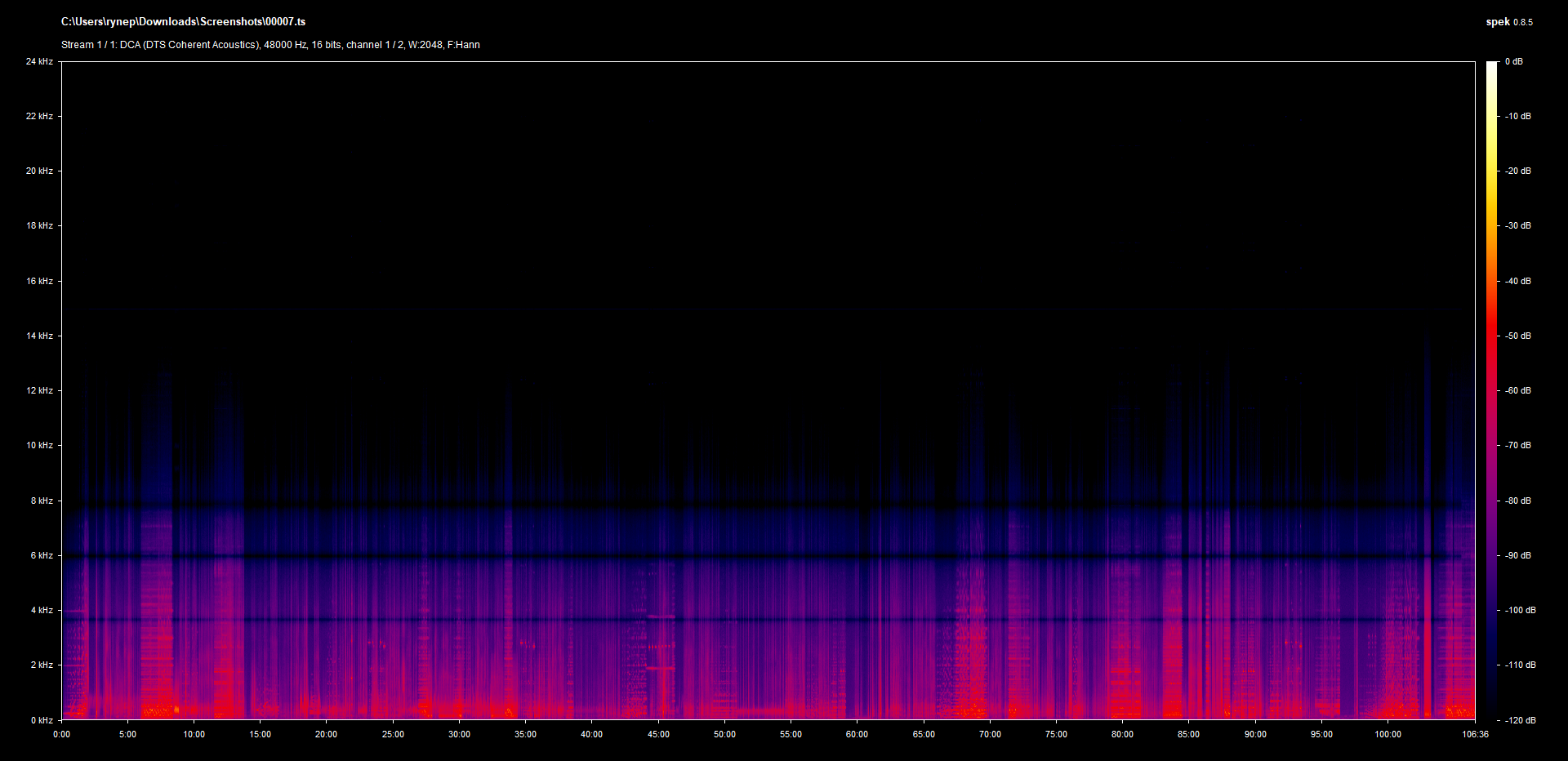
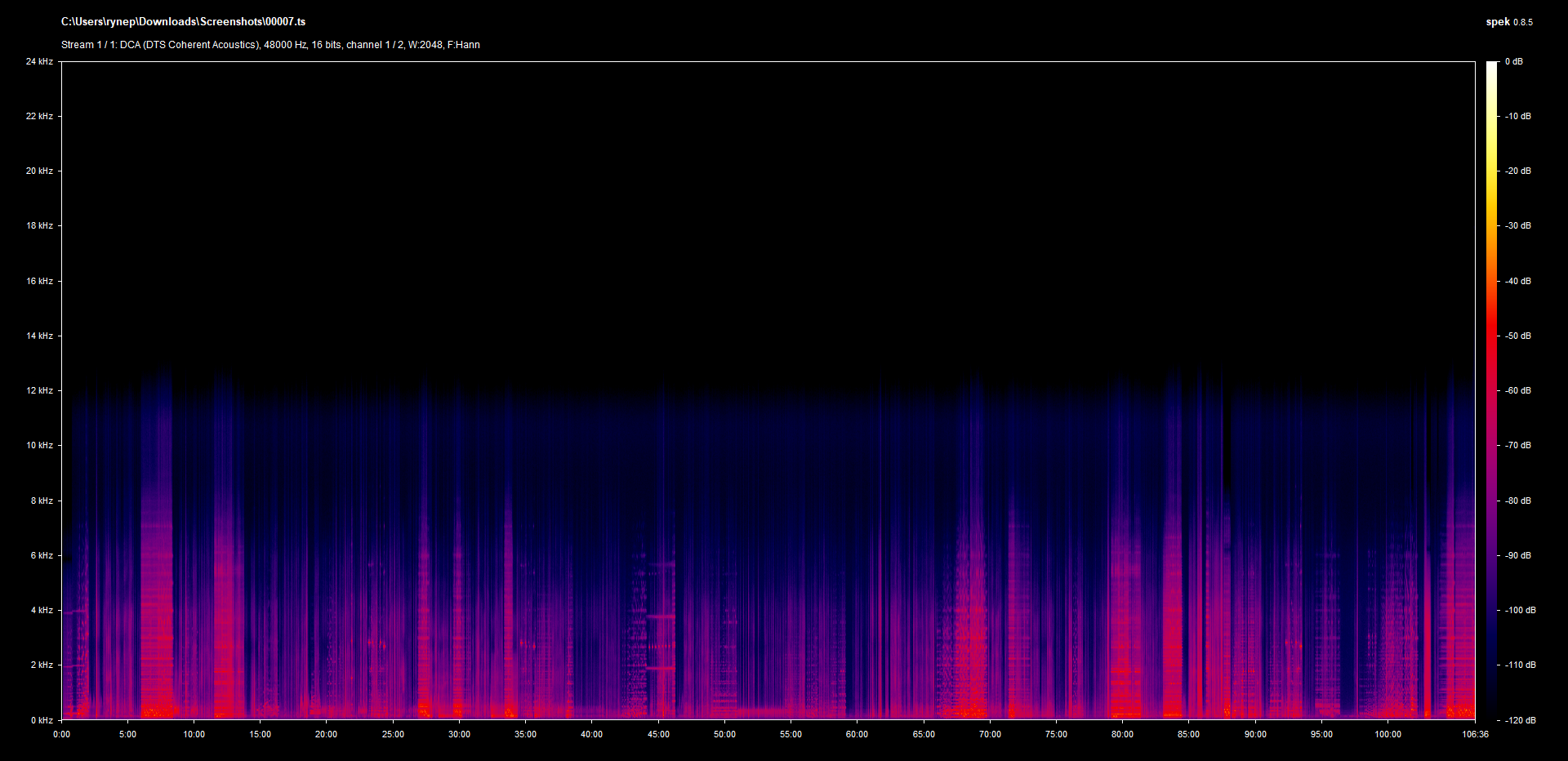
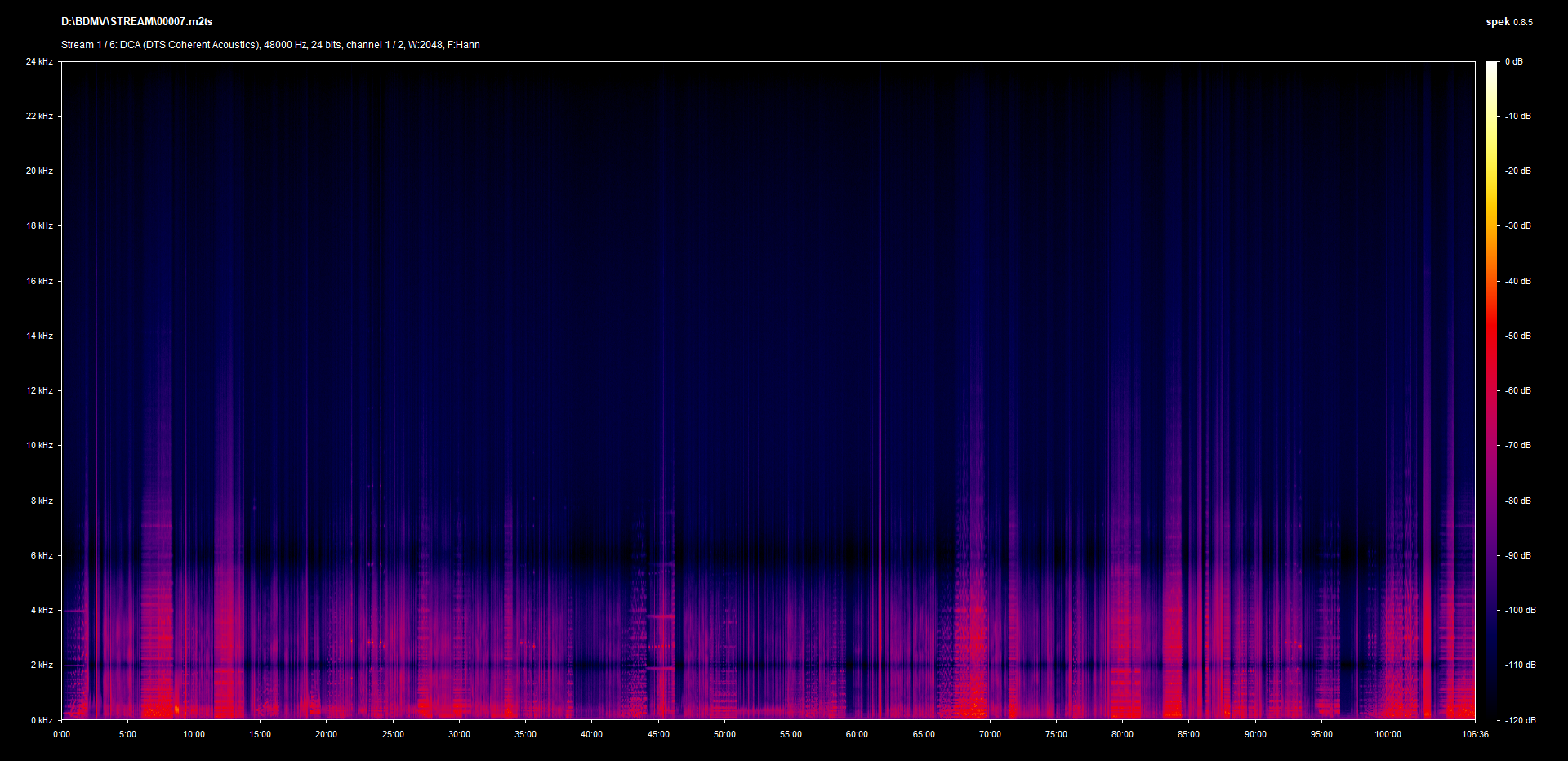
This release offers three different audio options – DTS-HD Master Audio 2.0 mono Italian, English, and German. Each of them have their own pros and cons. True to most spaghetti westerns, each of the audio tracks is dubbed in some way, though I think the Italian is probably the most effective in terms of presentation. The English dub is actually pretty good and features strong dialogue volume throughout. The German option is probably the least vital but still features a robust experience. Individual subtitles are included for the Italian track and the English dialogue (which slightly differ throughout), but there’s no defined option for the German track. Of note, there are a couple of issues with the subtitles displaying “I” with a “|” character, which could be a transposition issue.
For extras, this Film Movement release collects pretty much all of the same extras from the previous Filmjuwelen UHD except for a German audio commentary track; no new featurettes are included, unless you purchased the limited edition version of this release which then includes an essay booklet. The lack of new items is a bit disappointing considering the price point of this UHD, but it does come with quite a few options packed onto the Blu-ray disc. Both the UHD and the Blu-ray feature commentary tracks, including one with Howard Hughes and Richard Knew, another with filmmaker Mike Siegel, and an additional option with Alex Cox that was recorded live during a screening (this one’s a bit rougher, with some reverb throughout). A short interview with film historian Austin Fisher dives into the legality of the film’s depiction of bounty killings and the unambiguous goodness of the titular character. Alex Cox provides another 15 minute interview from his wintry hut wherein he discusses Corbucci’s career and an interesting tidbit that Clint Eastwood may have originally intended to remake the film for American audiences before it turned into Joe Kidd.
Also included is a 36-minute archival look at spaghetti westerns called Western, Italian Style from 1968. Both alternate endings (both the happy and less-scarring ones) are included here, with one of them featuring accompanying audio commentary by Alex Cox. Finally, two trailer options are accessible. Since we only purchased the standard edition, we do not have a copy of the essay booklet to review the contents for the limited edition release.
Verdict
The Great Silence is an excellent spaghetti western that surprises viewers with an intentional undermining of genre tropes. This new Film Movement Classics 4K UHD features a good transfer that seems to match a previous German release, and it collects nearly all previously-released extras but adds no new additional content. For consumers who have already imported, this is not worth a double-dip – but all other spaghetti western fans should look to acquire this release.
Listen to the Blood and Black Rum Podcast episode on the film.
![The Great Silence [4K Ultra HD + Blu-ray] [4K UHD]](https://m.media-amazon.com/images/I/51LgBdYmKkL.jpg)