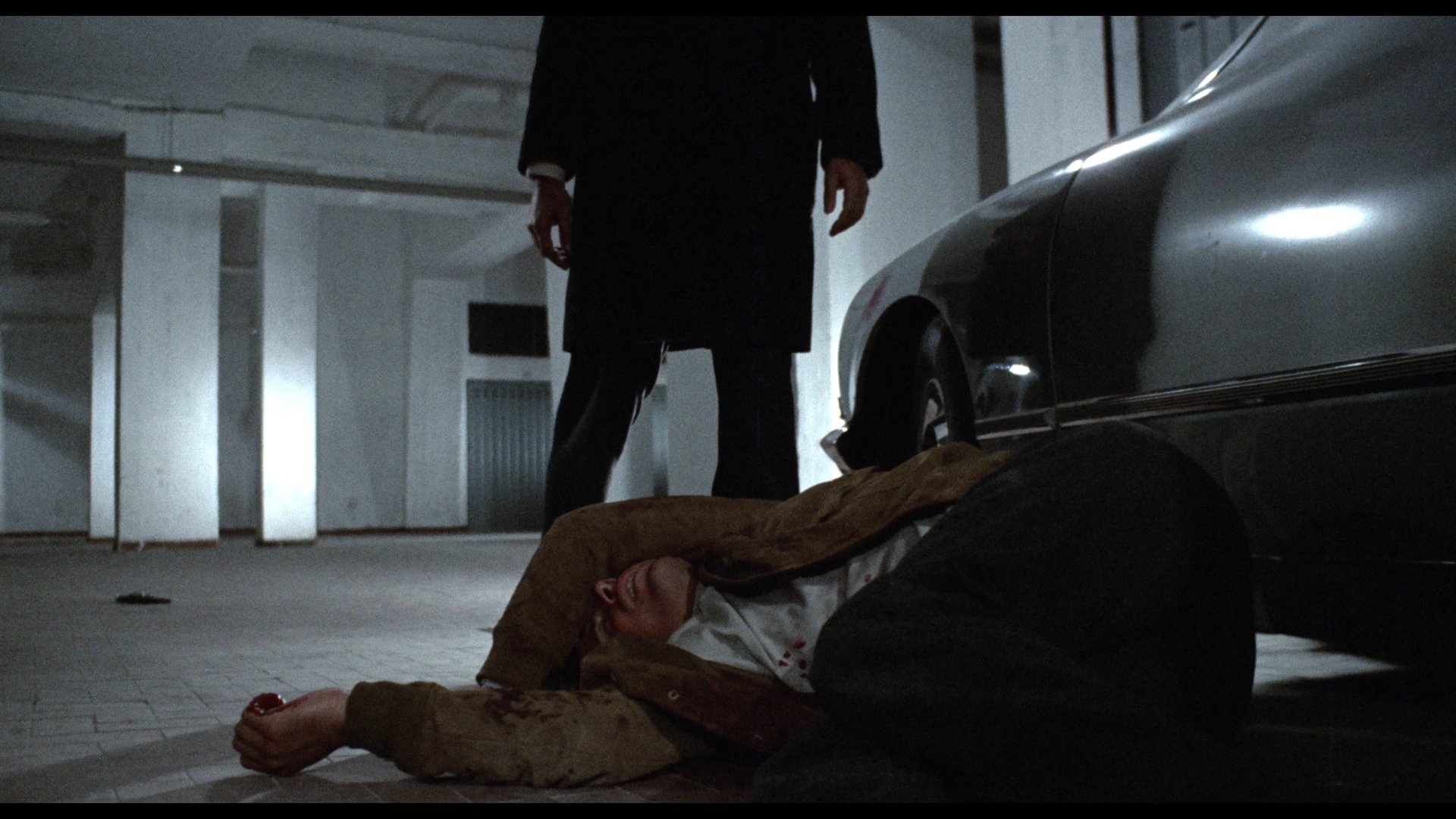

In 1971, life imitated art with the release of both Short Night of Glass Dolls and The Double, leaving fans of Italian cinema with double-vision. In both, Jean Sorel stars as a man who, at the outset of the film, is experiencing his own death, and they also share a penchant for a disjointed series of flashbacks that leads viewers to this fatal fate. Another duality between the two movies is argument whether they truly fall into the giallo subgenre – they generally lack the later typifying characteristics of the cinematic giallo experience, and yet predominately exude the essence of the originating pulpy “yellow” novels. Romolo Guerrieri’s The Double is, in fact, based on a giallo novel by Libero Bigiaretti, though truthfully details about it are hard to come by. Here, a horrifying opening sequence finds Sorel’s Giovanni (or Frank depending on language) the victim of a shooting in a parking garage, and in his dying moments the film shifts into a series of time-traveling flashbacks that pieces together the events leading up to it.
An interesting aspect of Guerrieri’s film is not just the fragmented flashbacks that occasionally play out of sequence. Instead, it’s the dream-like and misleading visions that Giovanni peppers throughout the retelling of events that adds a truly mysterious aura to the proceedings. The film trucks back and forth between Rome and Morocco quite a bit, exploring Giovanni’s lifestyle in his new marriage to Lucia (Ewa Aulin) as they spend vacation together. Quickly it becomes apparent that Giovanni is controlling, manipulative, and eventually, also a rapist; he becomes both enraptured by Lucia’s mother Nora (Lucia Bosè) who joins them on the trip and excessively jealous of a “hippie” American man named Eddie (Sergio Doria) who both women find intriguing. In the film’s non-linear telling, Giovanni’s mind slips in his own biases and fantasies, offering up various scenarios in which he envisions murdering Eddie; these are often surprising and intentionally misleading, as Guerrieri tends to serve them with no warning and then immediately cut to Eddie still living. It’s a compelling device that keeps the viewer intrigued despite the relatively slow pacing of the actual events leading to the film’s beginning/end circular trip.
Coming back to the idea of the Double that the film obviously utilizes as theme, Guerrieri delivers on two different fronts: there’s the obvious similarities between Nora and Lucia, of Eddie and Giovanni, and of multiple dualities visual throughout the movie, but there’s also a specific contrasting being set up that finds Giovanni living something of a double-life even in his own eyes. Sorel is clearly a handsome man, and yet the consequences of his own actions lead him into a life of ugliness. He fancies himself as what some in the film deem a “communist,” attempting to buck the Italian economic system by intentionally avoiding a blue-collar lifestyle, and yet this requires him to rely purely on his family’s hardworking income to survive. This adds a unique dynamic that differentiates itself further than the aforementioned Short Night of Glass Dolls.
Ultimately, The Double is a compelling mystery that often circumvents the usual tropes of the traditional giallo but still manages to produce a surprising amount of tension. Sorel is a flawed and often reprehensible protagonist that sees the viewer understanding the machinations that lead to his own demise depicted at the beginning; the killer and his method are known, but the motives are not until the very end, leading to a meaningful resolution that leaves this feeling like an influential quasi-giallo.
Blu-ray Review
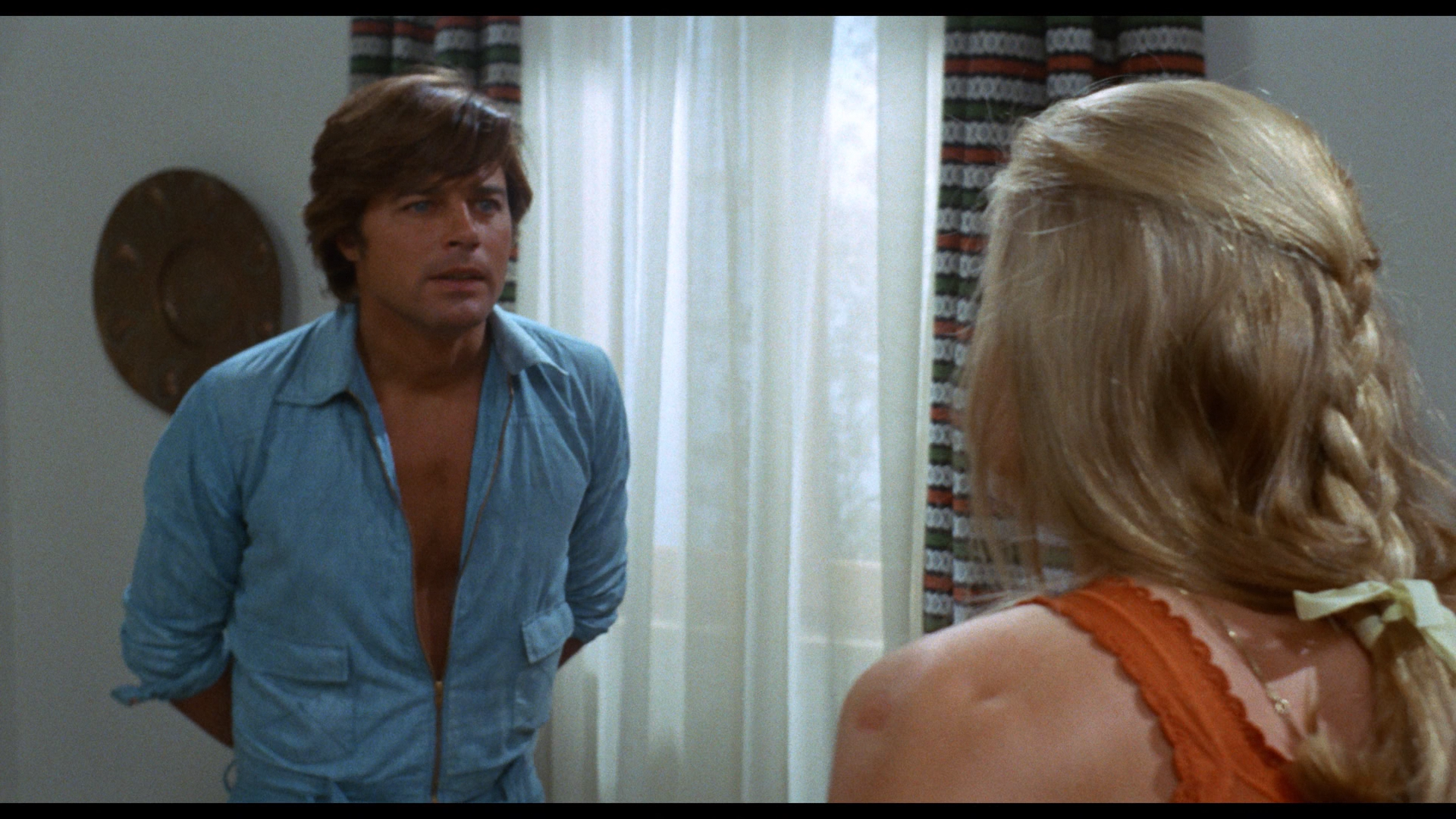
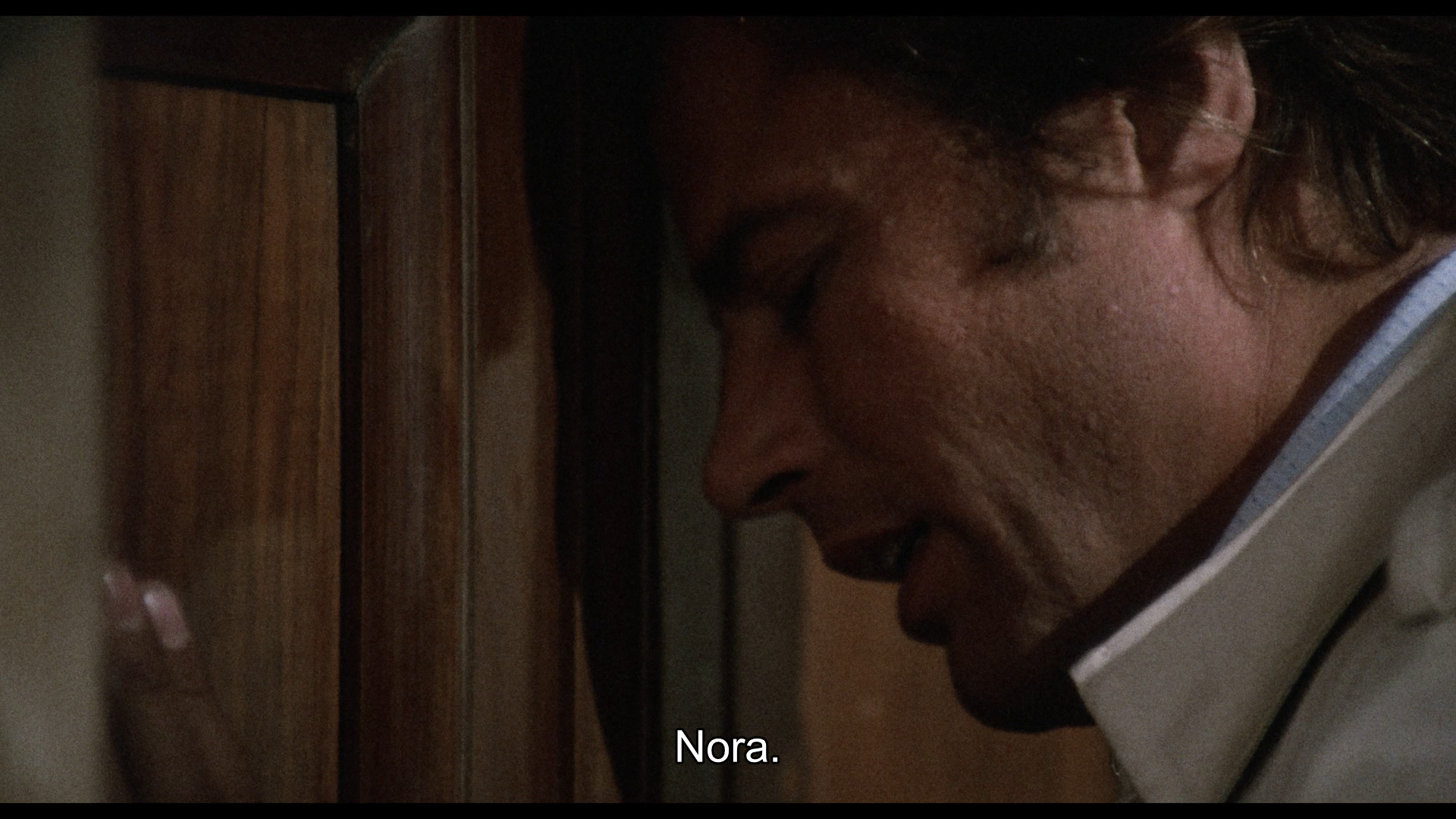
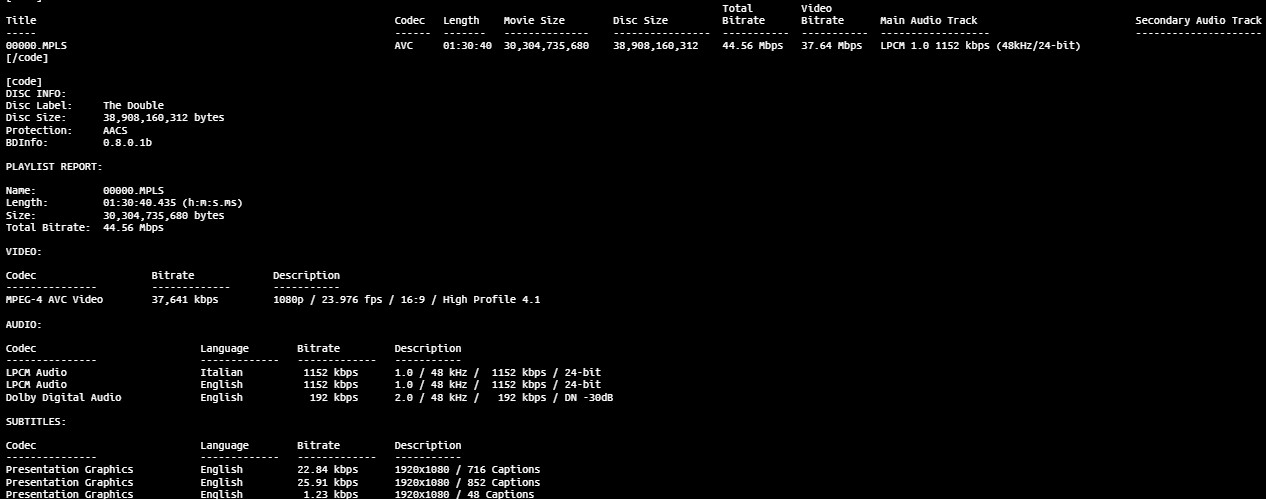
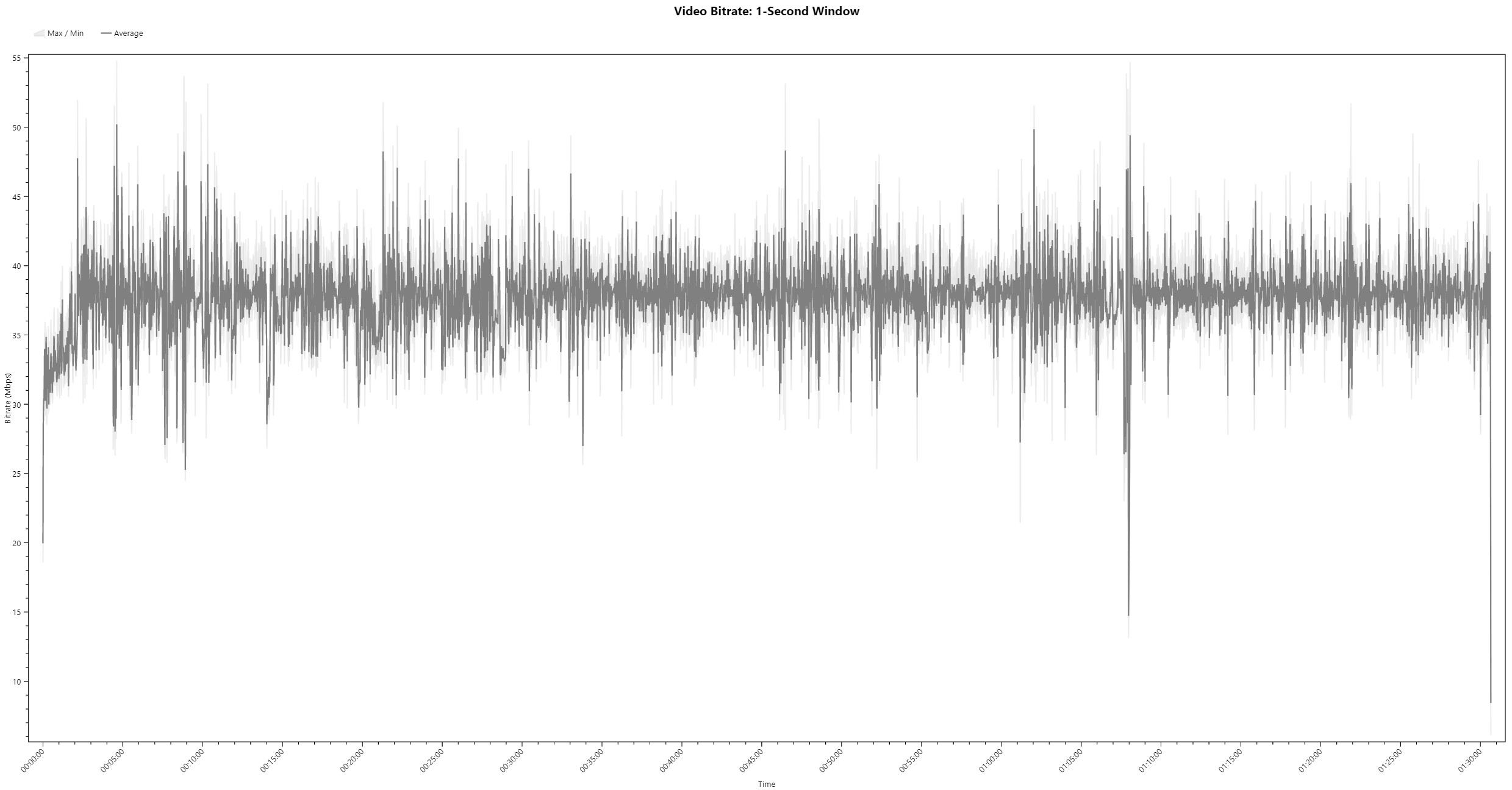
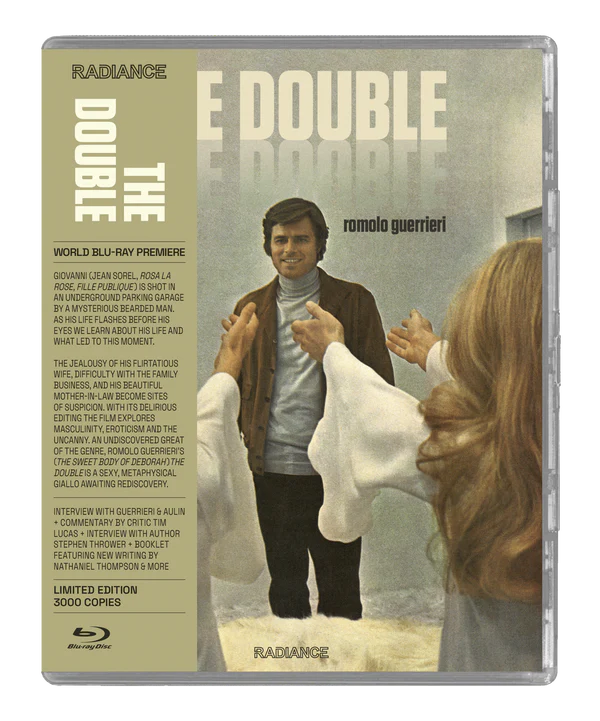
The Double looks great on this new Blu-ray release from Radiance Films, providing a new 4K scan from the original camera negative that reveals excellent detail in almost every aspect. The film makes use of some great locales with its Moroccan jet-setting and exterior shots maintain good clarity while managing light levels; the film does employ some more soft focus and zoomed long shots that reveal a bit of baked-in softness. Grain is medium-bodied and except for some occasional stray hairs, there’s not much damage to the negative to be seen. Color grading is consistent for this time period of Italian filmmaking, with exceptionally tanned skin tones on Sorel. Overall, The Double looks great on Blu-ray and should fit right at home with the rest of the gialli that have already been released in high definition.
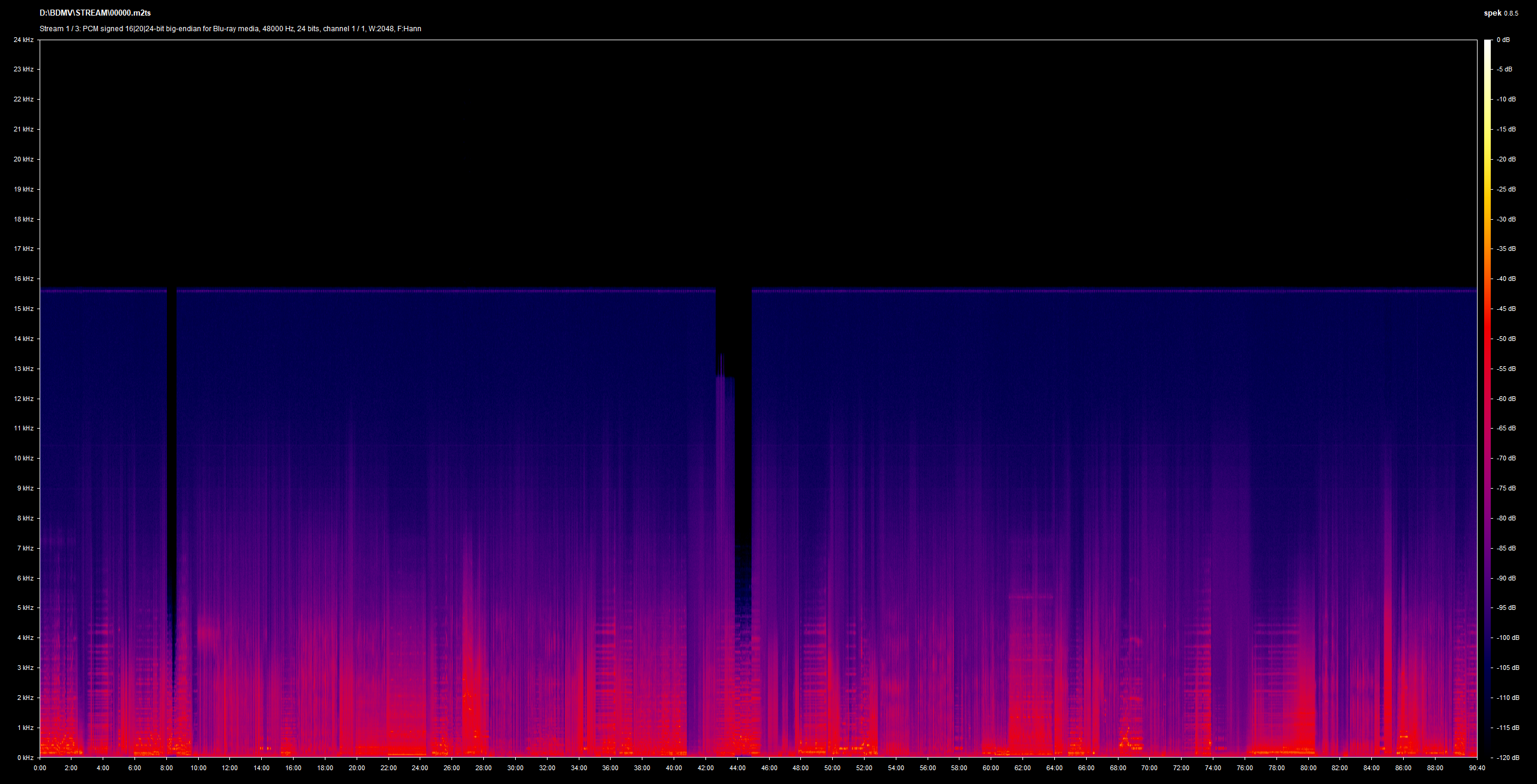
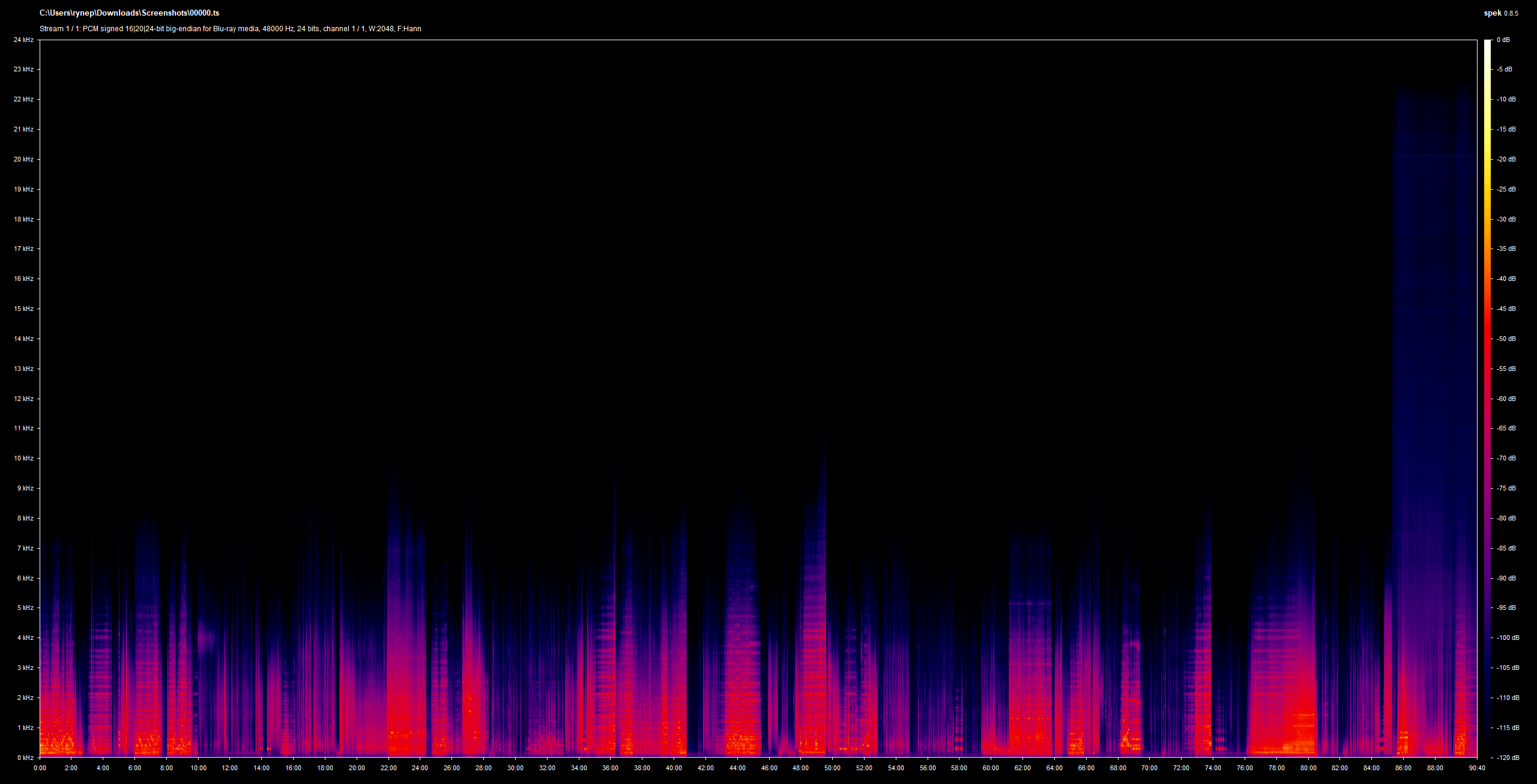
Both an LPCM 1.0 mono English and Italian track are included for audio, with corresponding subtitles for each due to subtle changes to names and other translations on the English version. Both sound good with no particular issues to report. The Double sports an exceedingly romantic-sounding score that is well represented here in its soaring emotion.
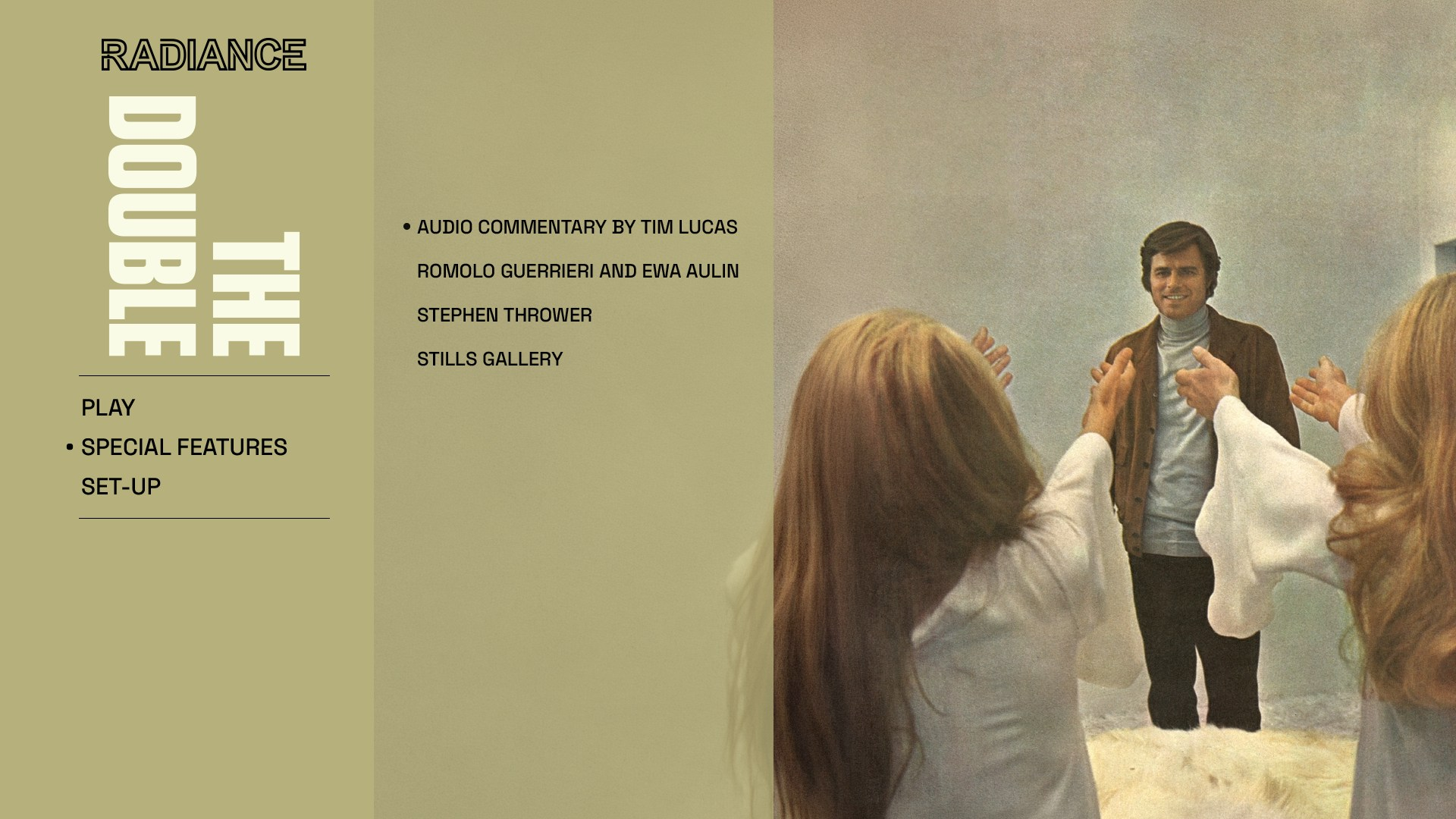
There are a number of new extras included on this release. First is a new audio commentary by Tim Lucas, who provides a well-researched and scripted run-through of the film’s major players and context about The Double‘s production, along with information about the novel from which the novel is adapted. It’s a comprehensive listen and recommended for those embarking on a repeat viewing. A new, roughly 30 minute interview with Stephen Thrower dives into the lead players and their filmographies, offering up a number of observations about connections to other films and The Double‘s place in Italian giallo cinema, later tackling the themes of pairings in the movie. Finally, a newly edited featurette with both Ewa Aulin and Romolo Guerrieri had been assembled that pairs like topics together from two separate interviews; this is mostly a discussion about working with the various actors and crew on the movie. Also included is a still gallery.
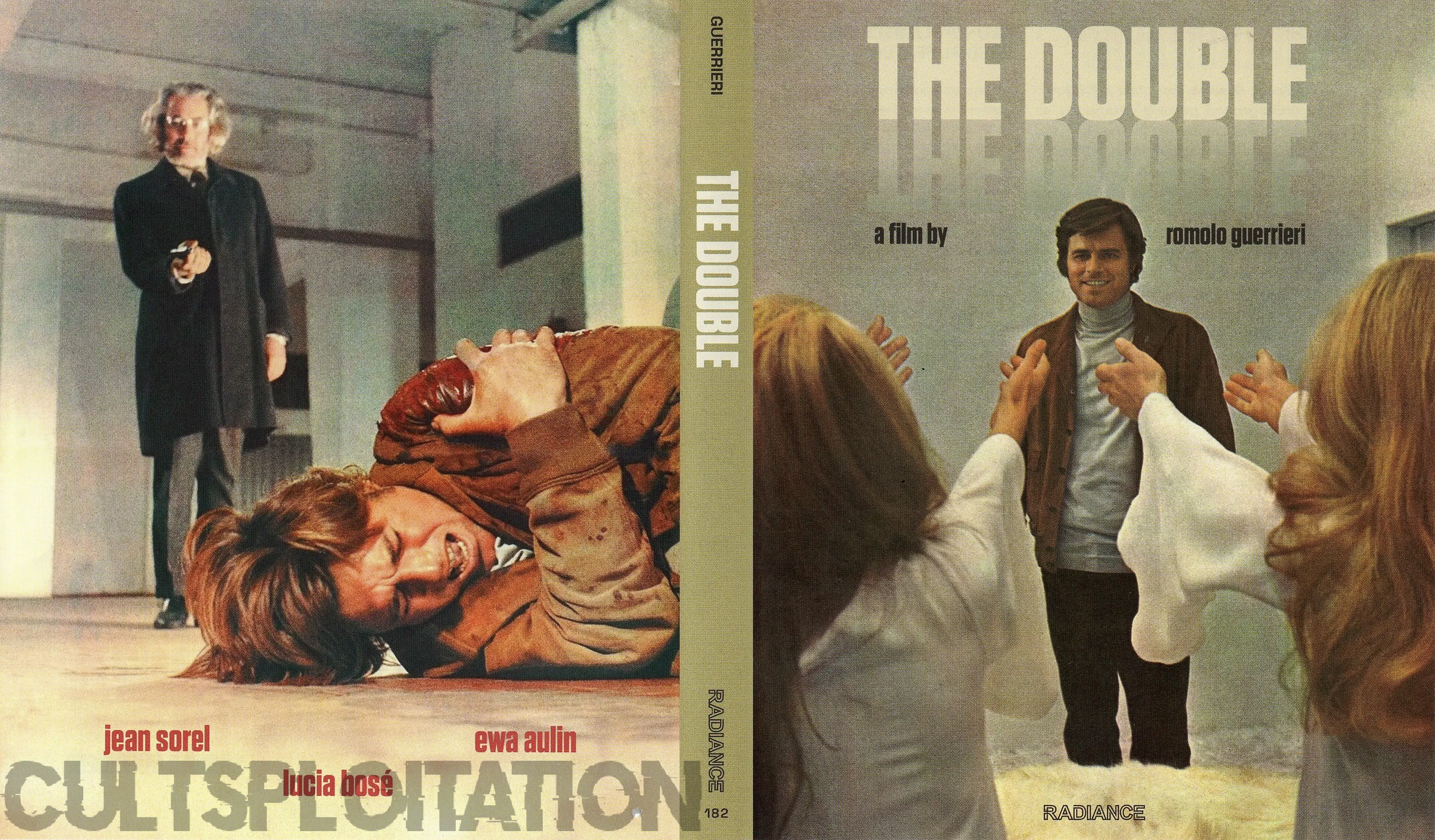
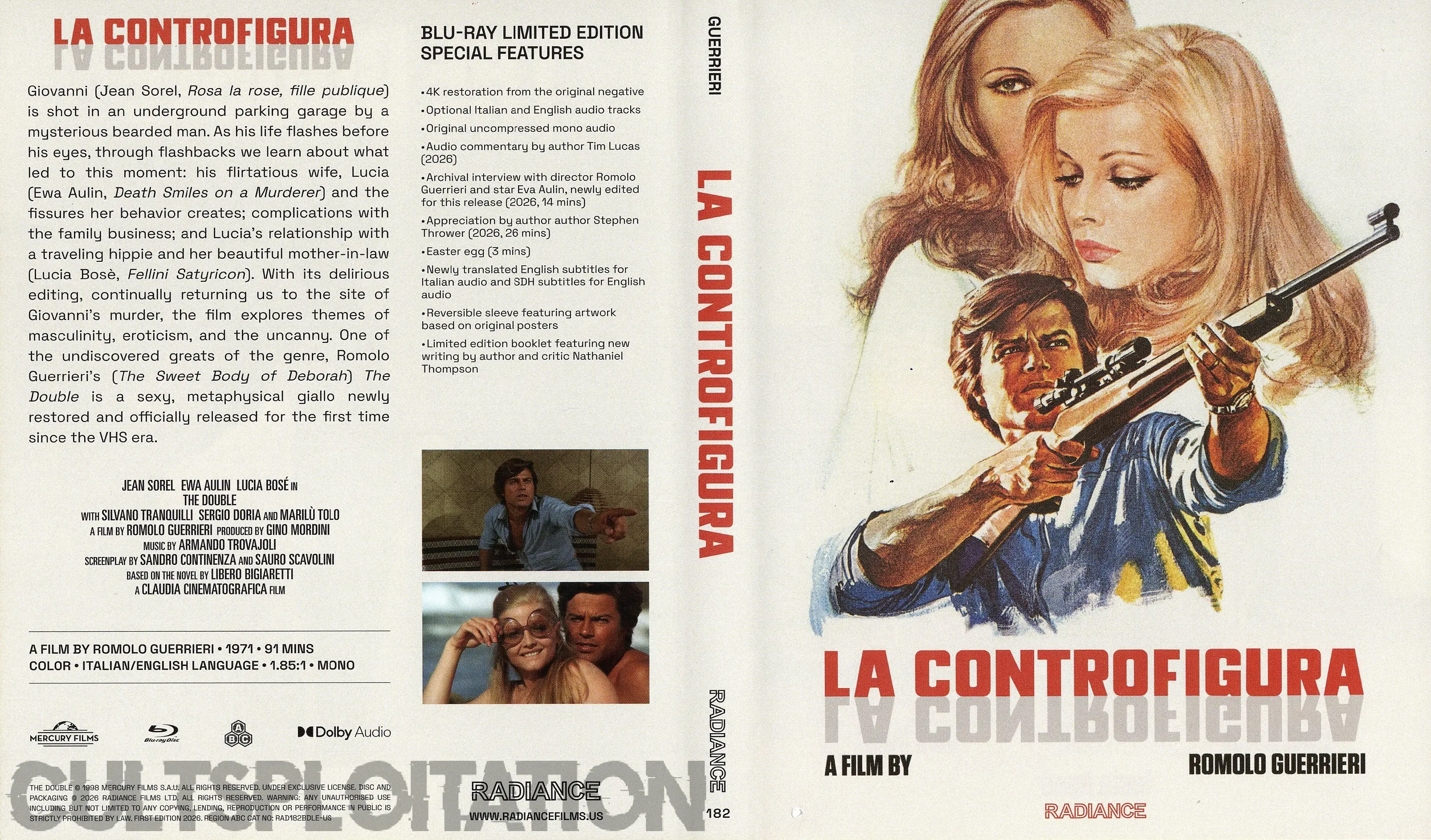
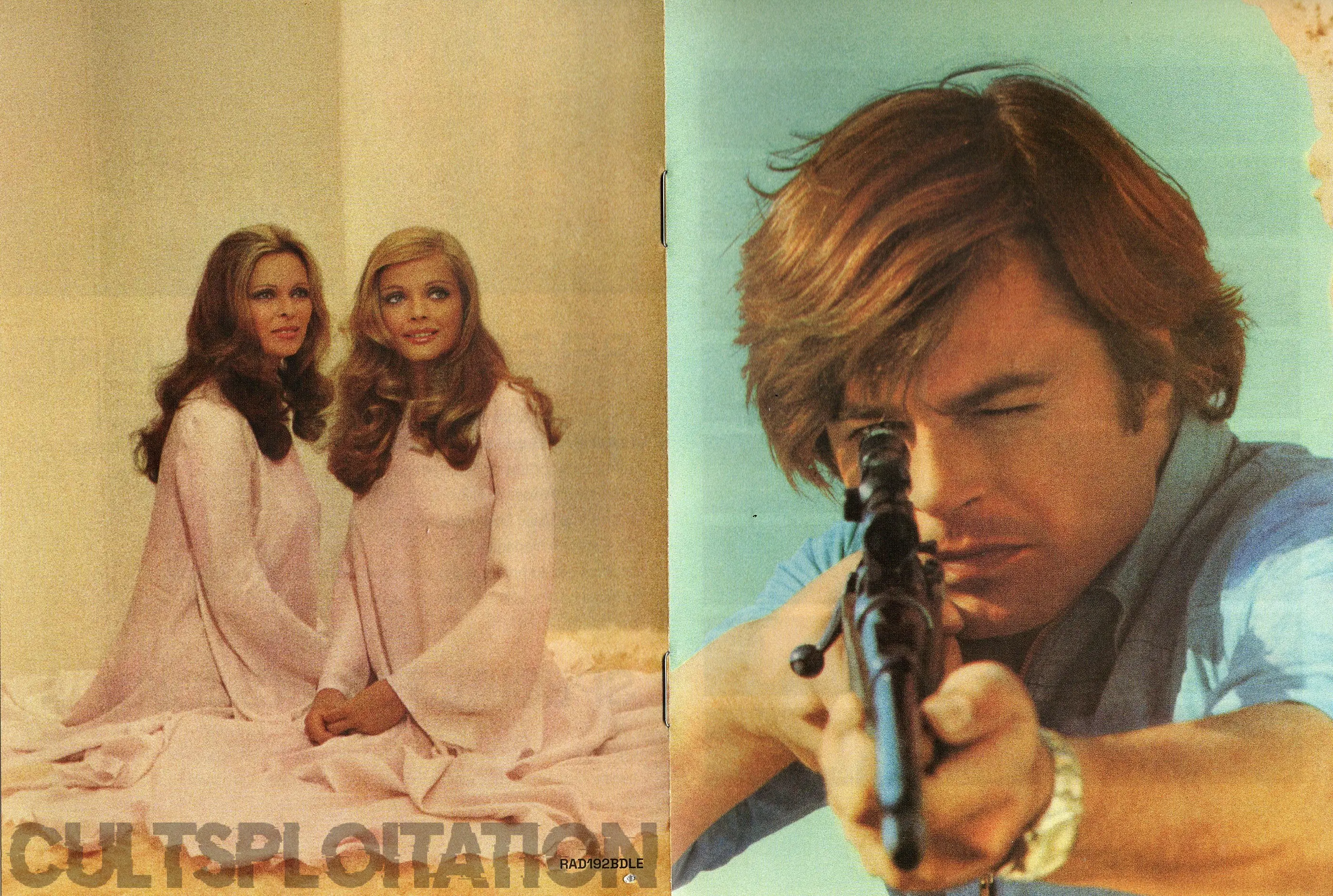
For packaging, this release includes reversible cover artwork and an essay booklet featuring new writing by critic Nathaniel Thompson. In his essay, Thompson sets up the burgeoning giallo landscape prior to The Double‘s release and then explores the thematic elements at play in the film, particularly embarking on an exploration of the homosexual subject matter in the film’s conclusion and its relation to other gialli with similar characters.
Extra Features
- NEW 4K restoration from the original negative
- Optional Italian and English audio tracks
- Original uncompressed mono audio
- NEW Audio commentary by Tim Lucas
- Archival interview with director Romolo Guerrieri and star Eva Aulin newly edited for this release (1080p; 14:25)
- NEW Appreciation by author Stephen Thrower (1080p; 26:02)
- HIDDEN Easter egg extended scenes (press up from Play to reveal Love Inferno alternate title; 1080p; 2:44)
- Stills gallery (chapter breaks; 0:36)
- NEW Reversible sleeve featuring artwork based on original posters
- NEW Limited edition booklet featuring writing by author and critic Nathaniel Thompson
- Limited edition of 3000 copies, presented in full-height Scanavo packaging with removable OBI strip leaving packaging free of certificates and markings
Verdict
The Double should appeal to any fans of psychological mysteries regardless of if one categorizes this as a “giallo”; the new Blu-ray release from Radiance Films has an excellent transfer and plenty of supplemental material to double or even triple your experience with the film.