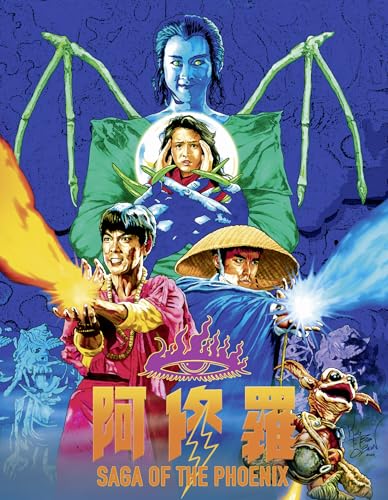

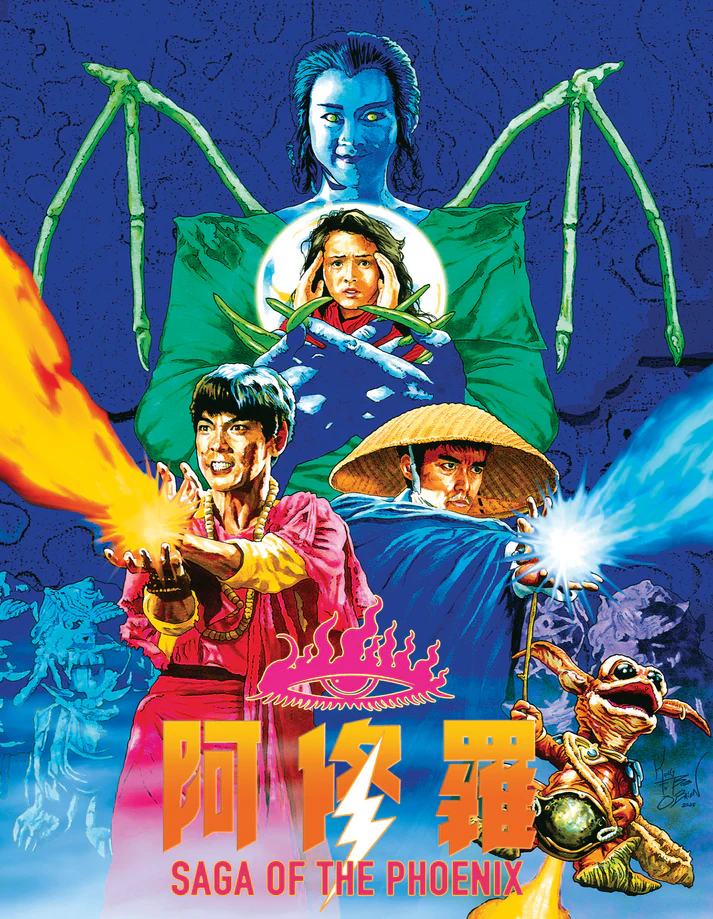
Fresh off the success of the Japanese manga-adapted Peacock King, director Ngai Choi Lam returned with co-director Sze-Yu Lau for 1989’s Saga of the Phoenix, which interestingly enough discards a lot of the first film’s ideas in favor of following the Hell Virgin Ashura (Gloria Yip) as she attempts to live in the human world for seven days and cast off her demonic aspirations. Instead of a focus on Peacock (Biao Yuen) and Lucky Fruit (Hiroshi Abe), the film spends a lot more time humanizing Ashura as she assimilates into a strange lifestyle incidentally living with Chin (Loletta Lee) and Tan (Shek-Yin Lau) in Hong Kong after they accidentally intercept her imp friend Tricky Ghost, who was turned into a stone by the Hell Concubine (Suet Ngai). If that sounds convoluted, you’re right – and most of this explanation takes place in just the first half hour. But ultimately the film is pretty evenly split into three acts of differing narrative arcs.
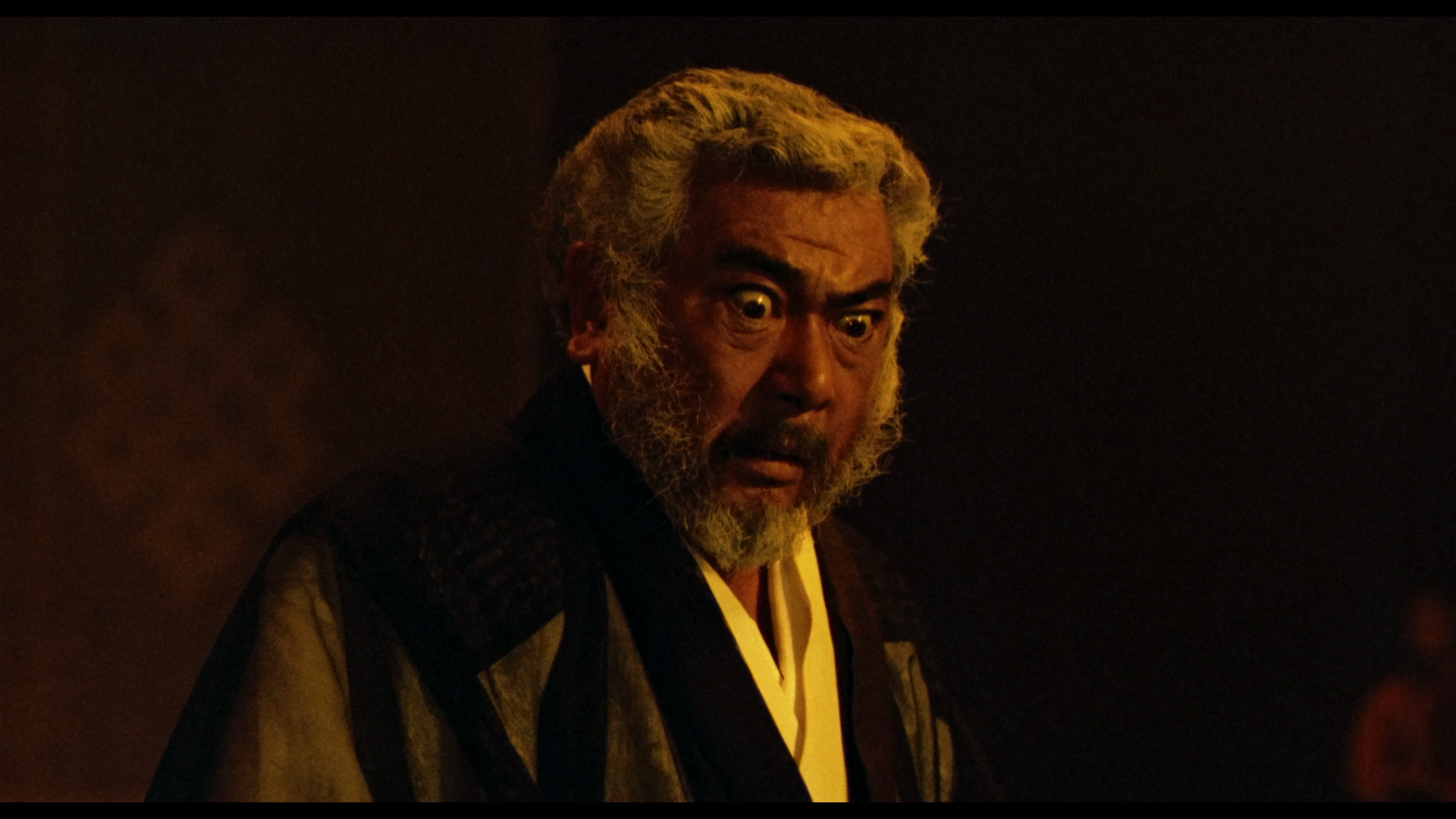
The first act of Saga of the Phoenix spends a lot of time exploring the mythos and changing values of Ashura, a character who in the previous film would have been considered a villain of sorts. Here, she has effectively turned over a new leaf, and Lam and Lau have a bit of exposition to dump prior to setting her on her way. Incorporating a mix of manga-esque lore and Chinese Buddhism, the film does a serviceable – though admittedly brief – job of explaining Ashura’s banishment, her wish to see the sun of the human world, and the reasoning behind a seven-day trial period granted by Abbott Jikuu (Shintaro Katsu). This is, in a way, attempting to usher in new audiences who may not have seen Peacock King as much as it is simply trying to set up the main crux of the movie; and, though there are leaps in logic, the audience is largely expected to take the whole thing at face value. That’s not a complaint: rather, it’s simply a byproduct of the sprawling weirdness that is Saga of the Phoenix.
Once the stage has been set for Ashura to join the human world, the second act transitions to something more akin to a slice-of-life comedy. This effectively treats Ashura as a fish out of water, exploring human life for the first time while, at the same time, introducing a cute little puppeteered imp named Tricky Ghost that plays out similarly to something like Gremlins – complete with an insatiable hunger and, later, after being coerced by the Hell Concubine to suck out Ashura’s Qi, to even grow in stature. This mix of animal hijinks and more familial-oriented comedy – mostly at the expense of Lau, playing a buffoonish scientist with a penchant for lusting after the three “nuns” or abbesses – is fine, but too sparsely interrupted by fight sequences. One of the main issues with the overall plot surrounding Saga of the Phoenix is that it does not incorporate much conflict – rarely do the four protagonists come into contact with the Hell Concubine and her minions, and when they do, it’s not exactly clear what the whole intent truly is.
With that said, the martial arts choreography is great when it actually occurs, and that unfortunately does remind the viewer that there probably should be more of it featured throughout the film, considering that the film quite nicely sets up six henchmen warriors that could terrorize Ashura and her friends. It’s not until the last 10 minutes where the film drops some of its comedic trappings for a very appreciated sentai-style battle as the Hell Concubine transforms into an awesome practical effects monster that invokes some body horror imagery as well. These moments of martial arts stunts, puppeteering, and stop-motion animation are where Saga of the Phoenix flares, and it’s too bad these elements are often underemphasized.
Saga of the Phoenix is truly a unique experience that leans into the more spiritually zany elements of Chinese Buddhism, but it’s likely to split viewers down the middle depending on how willing they are to accept the more milquetoast slice of life elements, shopping trips, and pool party sequences. While this is arguably not a super strong follow-up to Peacock King, the surrealistic fantasy elements and cute, cuddly monster effects help fend off some of the more pointed criticisms about its pretty flawed storyline.
Saga of the Phoenix Blu-ray Disc Review
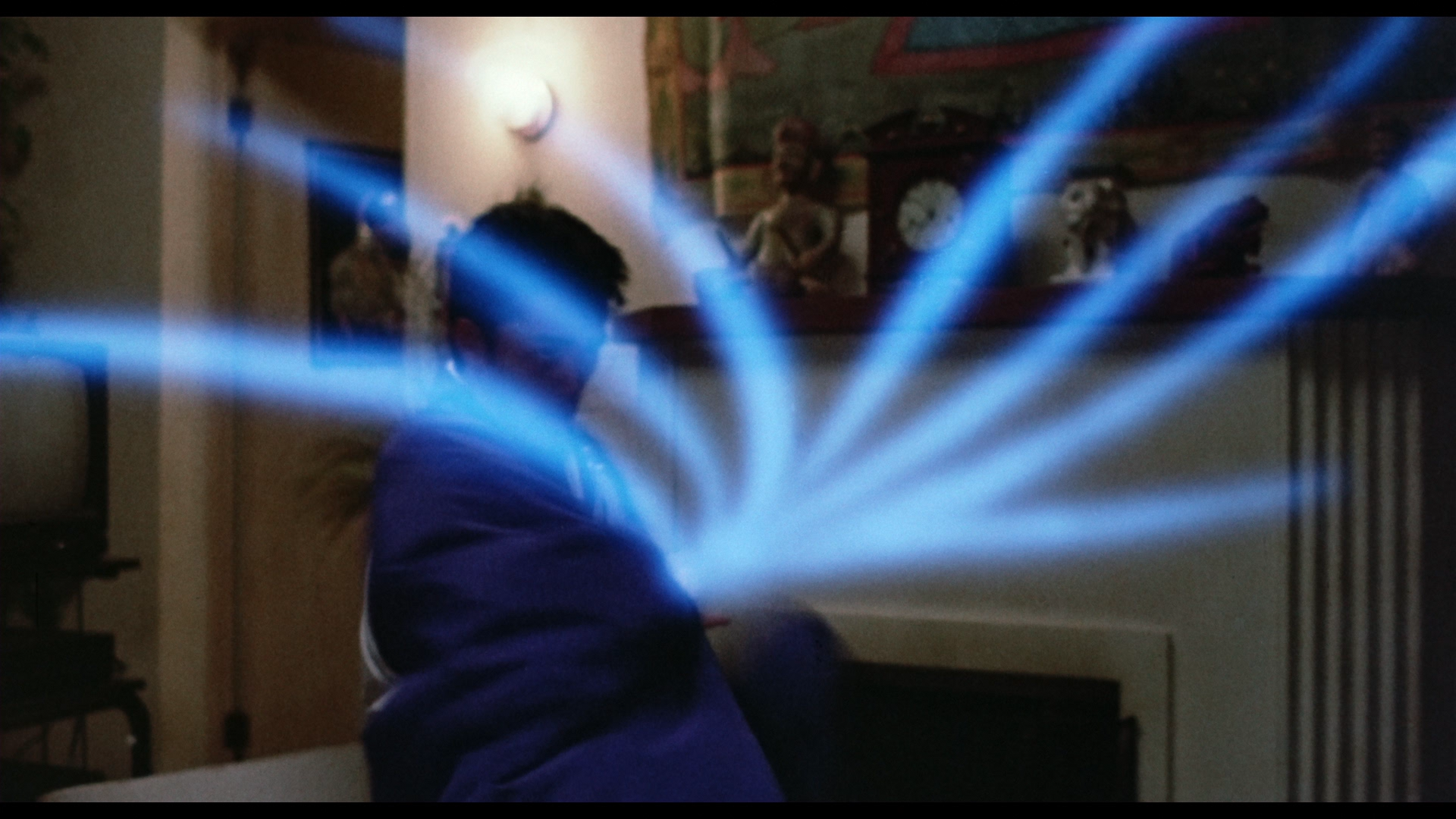
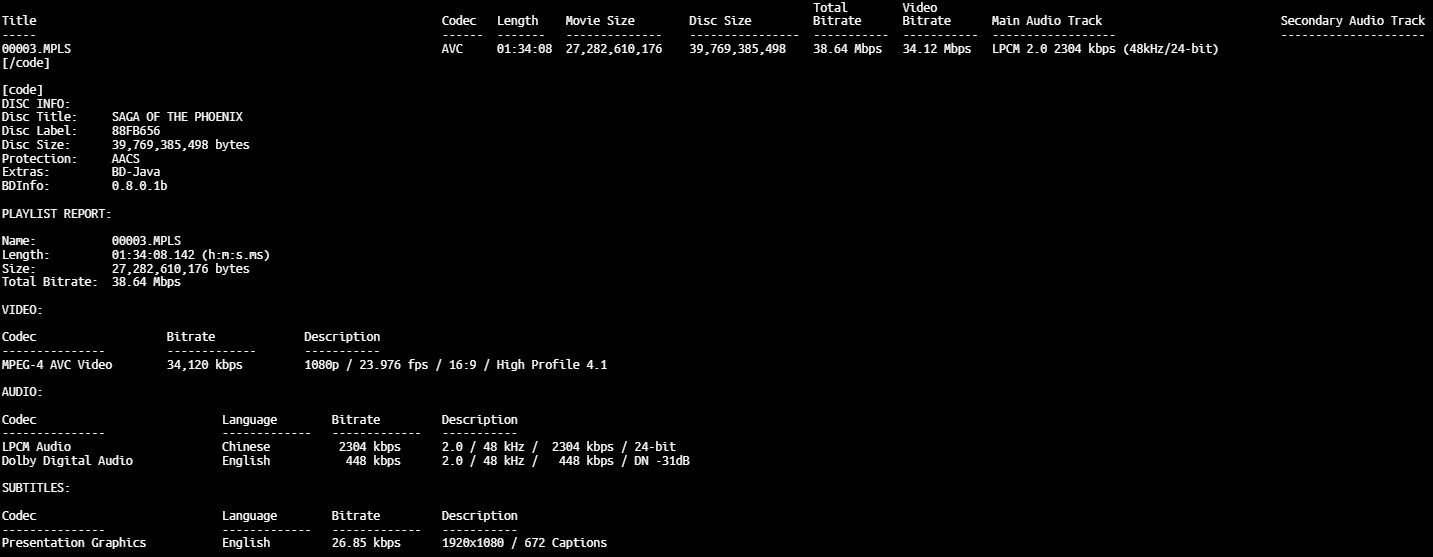
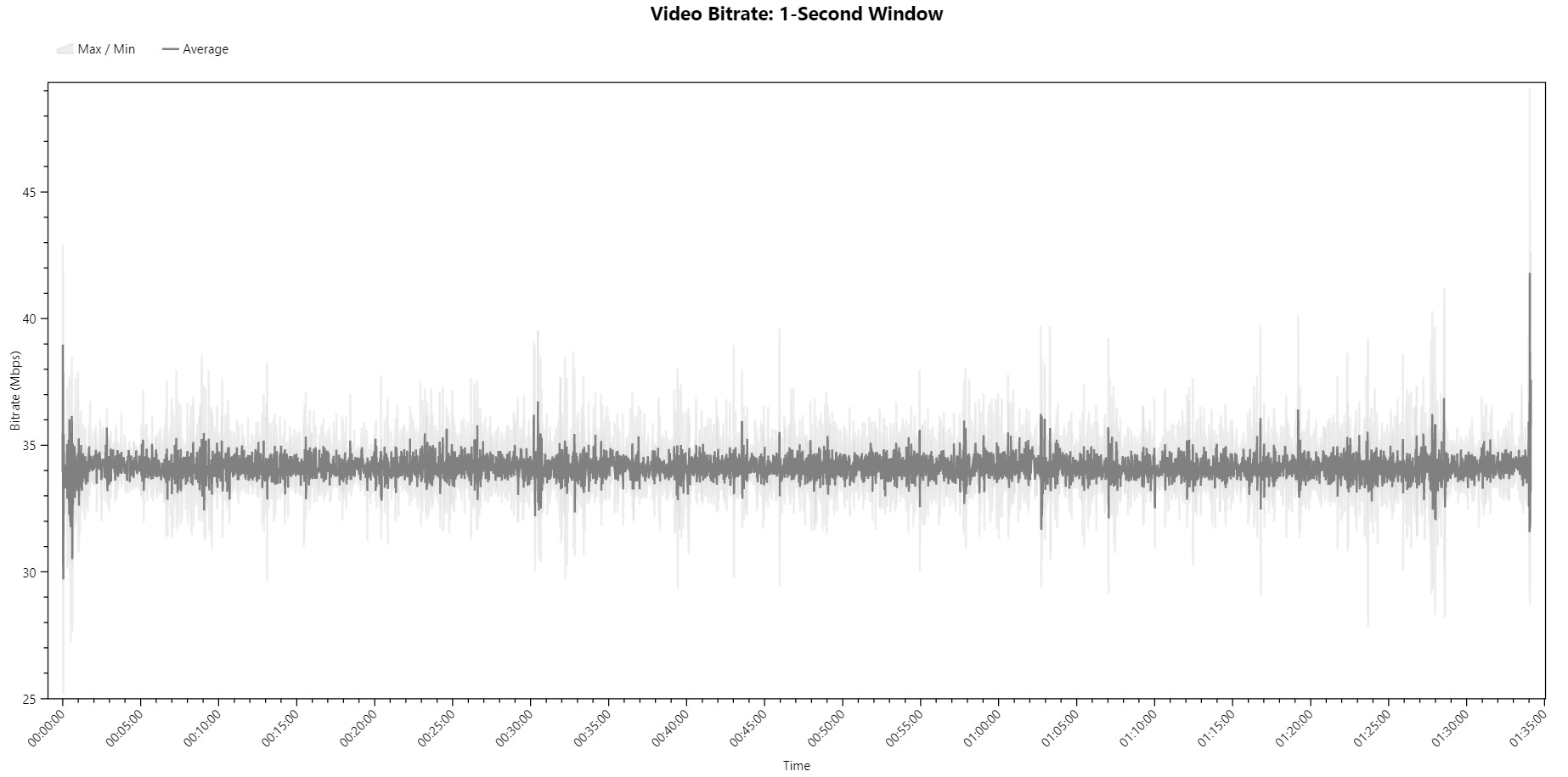
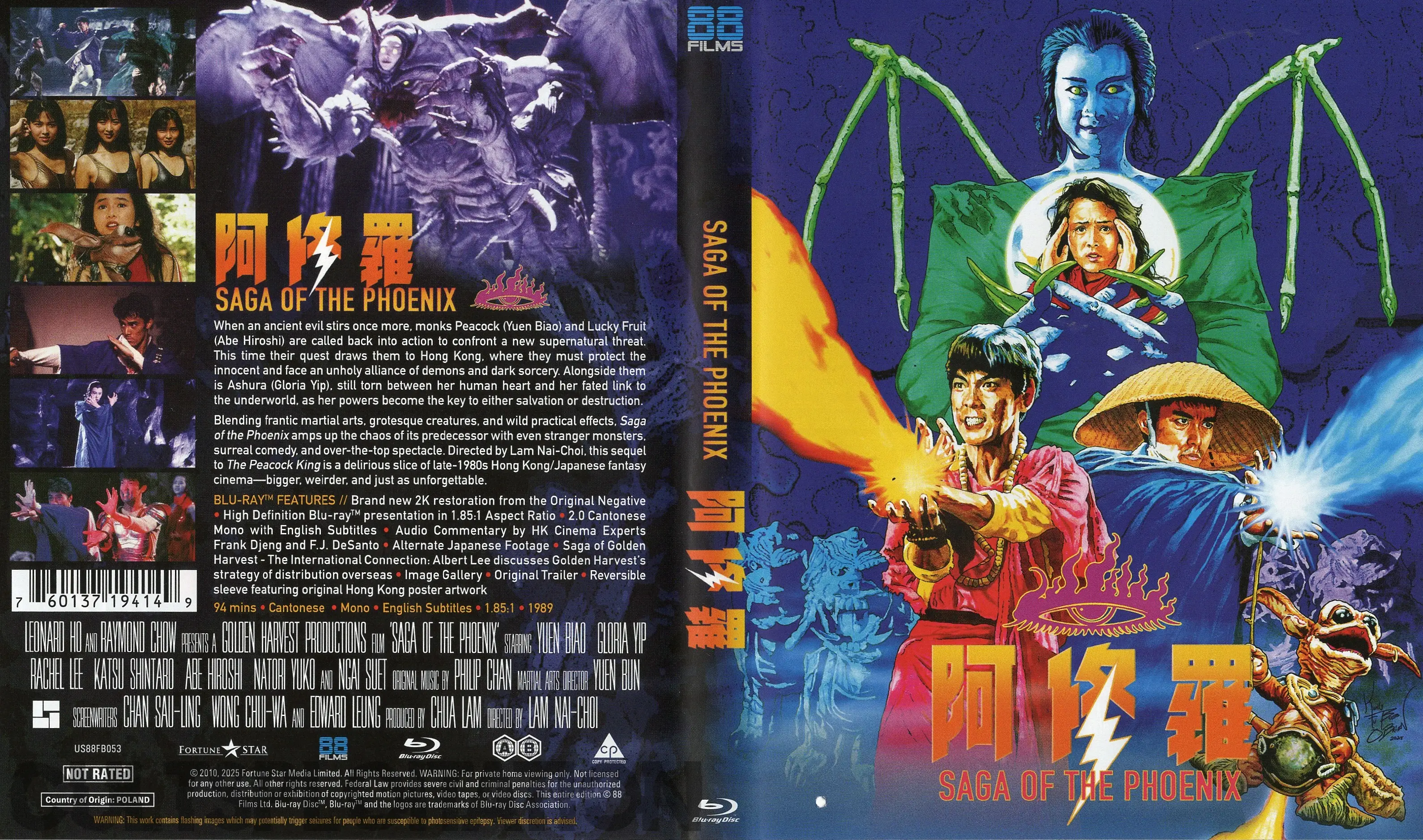
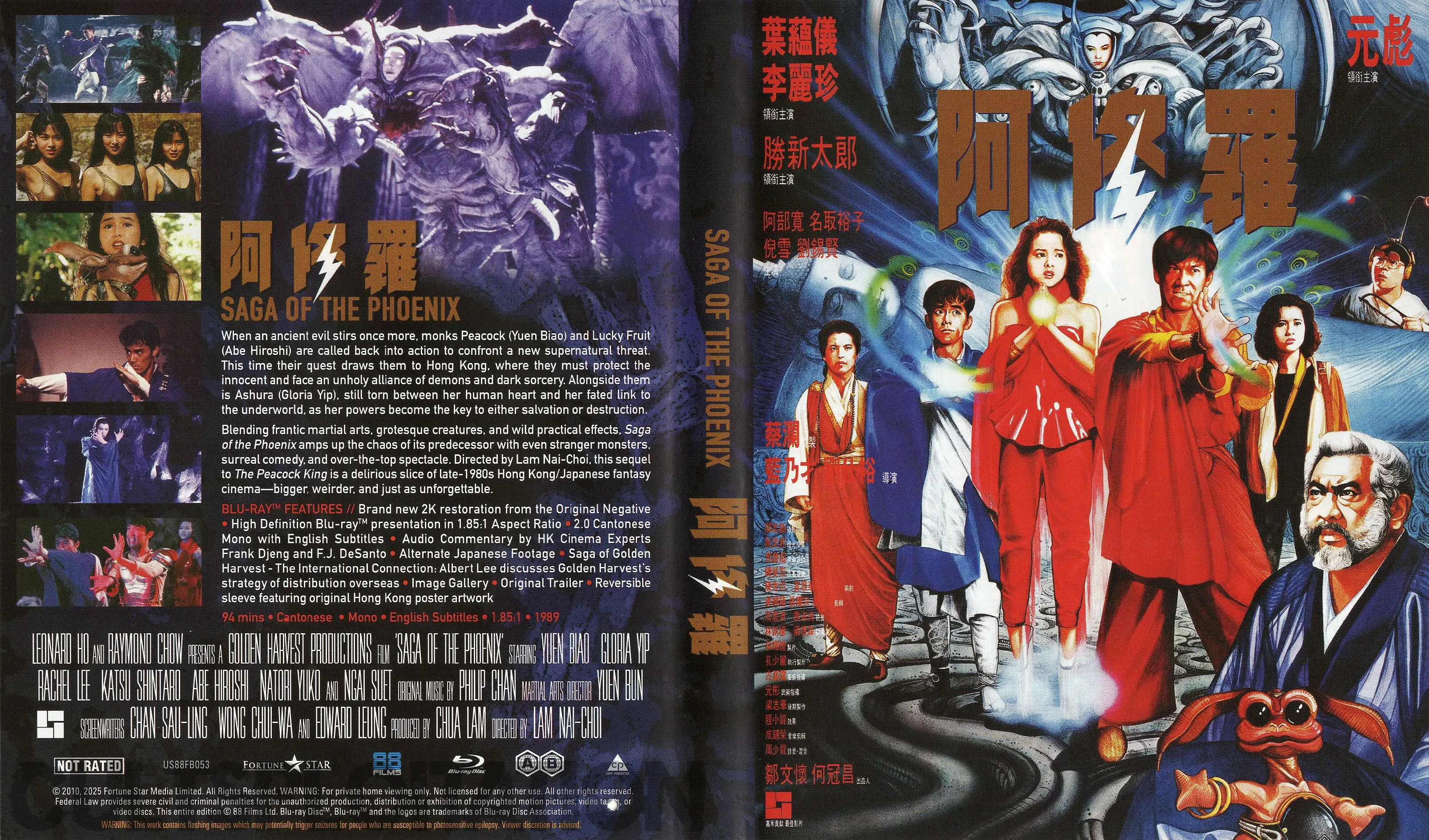
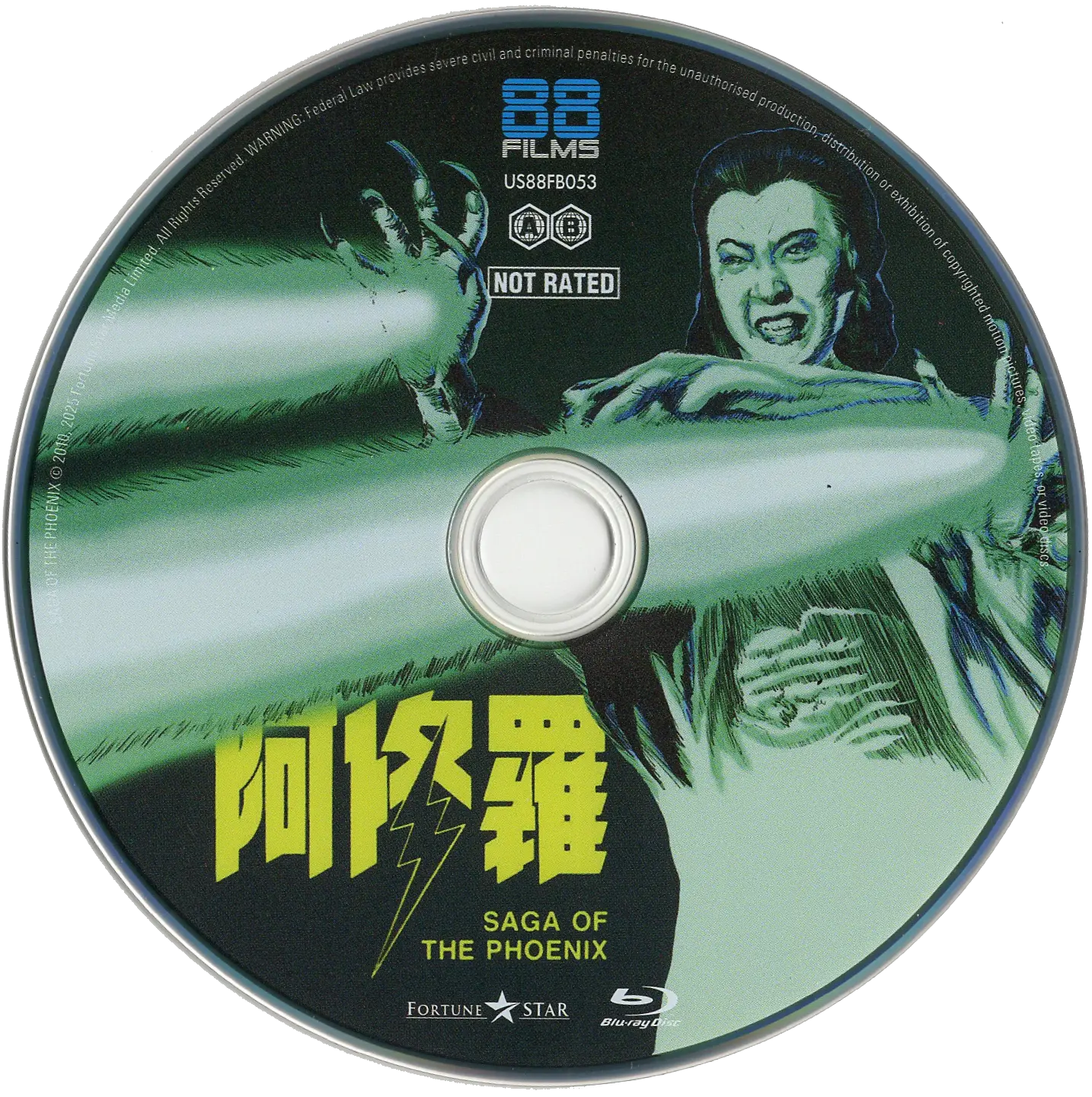
88 Films has released Saga of the Phoenix with a limited edition Blu-ray housed in a hardback box featuring a new 2K restoration from the original camera negative. For the most part, the transfer looks quite good, with a medium-grained body that consistently resolves nicely leaving a filmic but rather sharp and detailed image. The film’s darker areas, specifically those in the demon realm, tend to fare a bit worse due to the blue lighting effects and fog, occasionally revealing some clumpy grain and softness. And Saga of the Phoenix does use quite a few composite effects, which do show some additional damage. Interestingly, the clarity does draw attention to some of the film’s wirework, particularly with the Tricky Ghost puppet, whose movements are a combination of puppeteering and stop-motion claymation depending on the shot. Overall, the film looks very good with this 2K restoration, especially considering the film has only been available thus far in the US as an import.
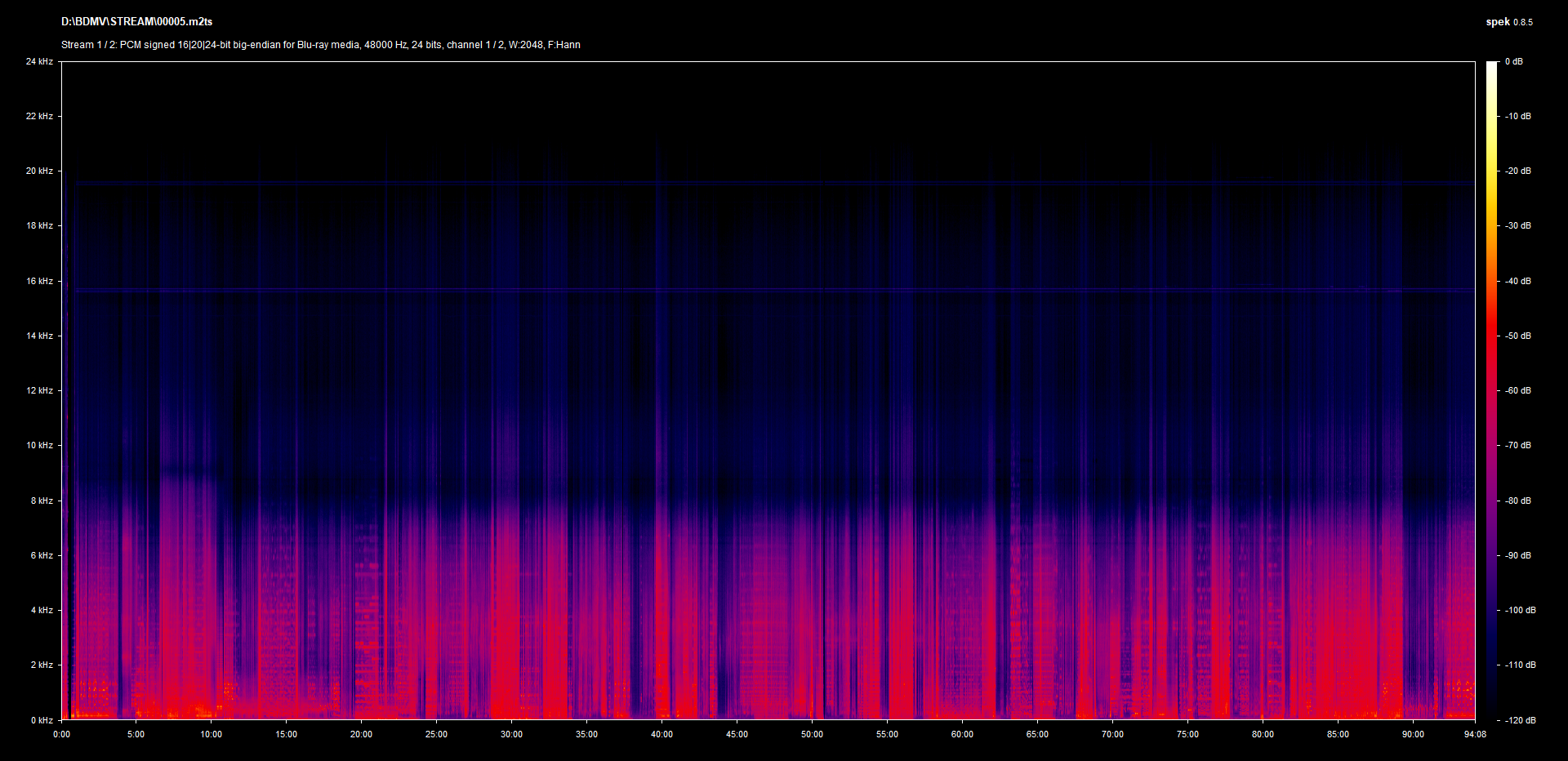
For audio, 88 Films a Cantonese LPCM 2.0 mono track for the only option. This sounds quite good, with a robust amount of sound effects and consistently voluminous dialogue without noticeable muffling. Interestingly, this film was also dubbed in Japanese due to its manga lineage, but 88 Films has not included that dub here; I also assume there is a Mandarin dub as was common with these releases, but that’s also not available on this Blu-ray. English subtitles are defaulted on or accessed from the menu, with no real issues noted.
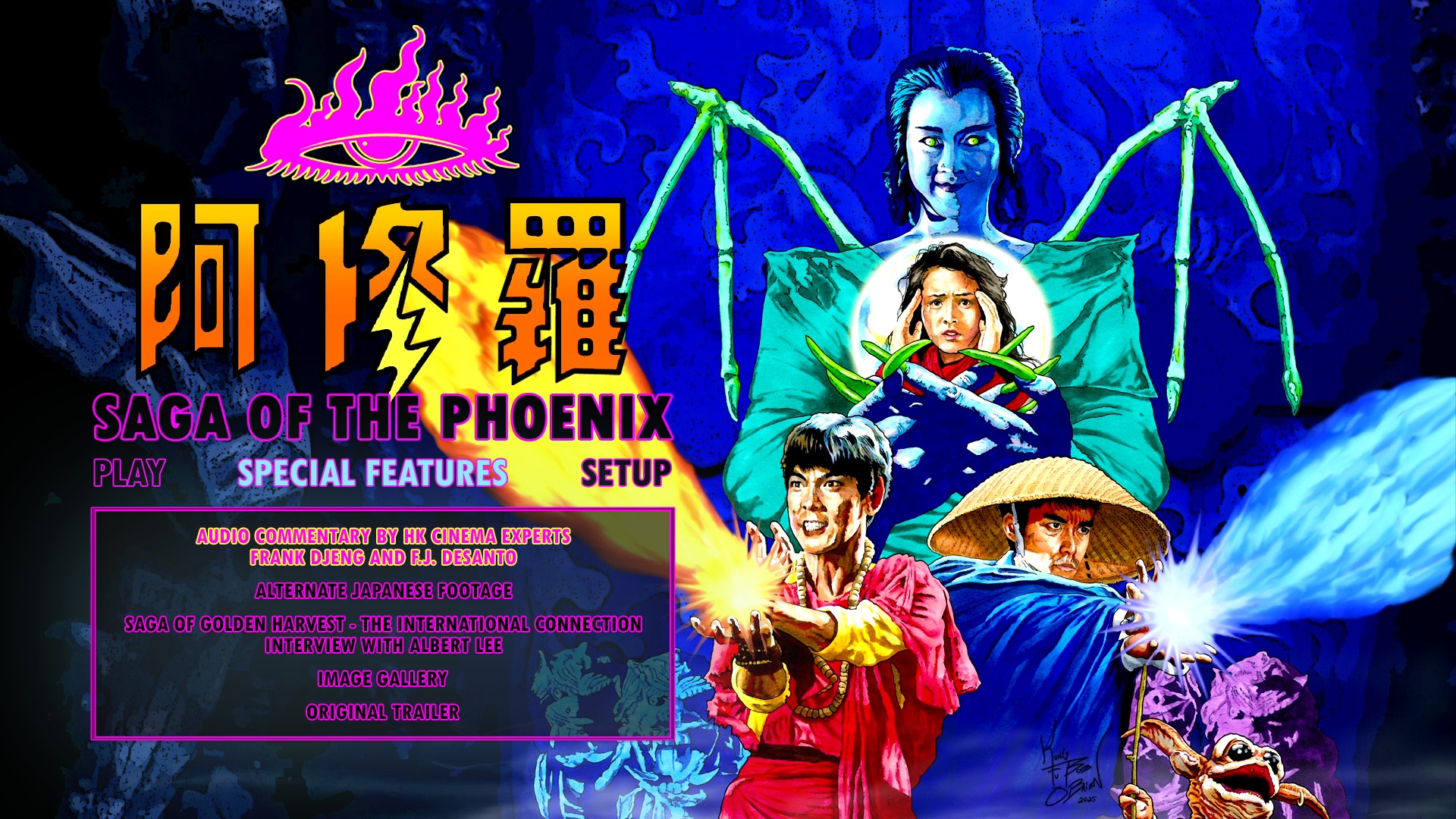
For extras, this release includes a couple of new options – first and foremost a new audio commentary with Frank Djeng and F.J. DeSanto, who also provided commentary for the first film’s Blu-ray. Here Djeng does much of the talking, pointing out various elements about the production including its unique joint Japanese/Hong Kong crew and tidbits about many of the actors’ filmographies, with DeSanto doing a lot of facilitating the discussion. It’s a really enjoyable listen, particularly when it comes information about the culture and Buddhist elements at play in the movie. A new interview featurette with Albert Lee discusses the distribution history of Golden Harvest, including a breakdown of their international departments and operations in Japan. Also included are Japanese scenes that were included as part of the Japanese theatrical release; these are presented from an SD source and consist of modified dialogue or extensions of existing scenes in the regular Cantonese cut. Finally, an image gallery and trailer round out the features on the disc.
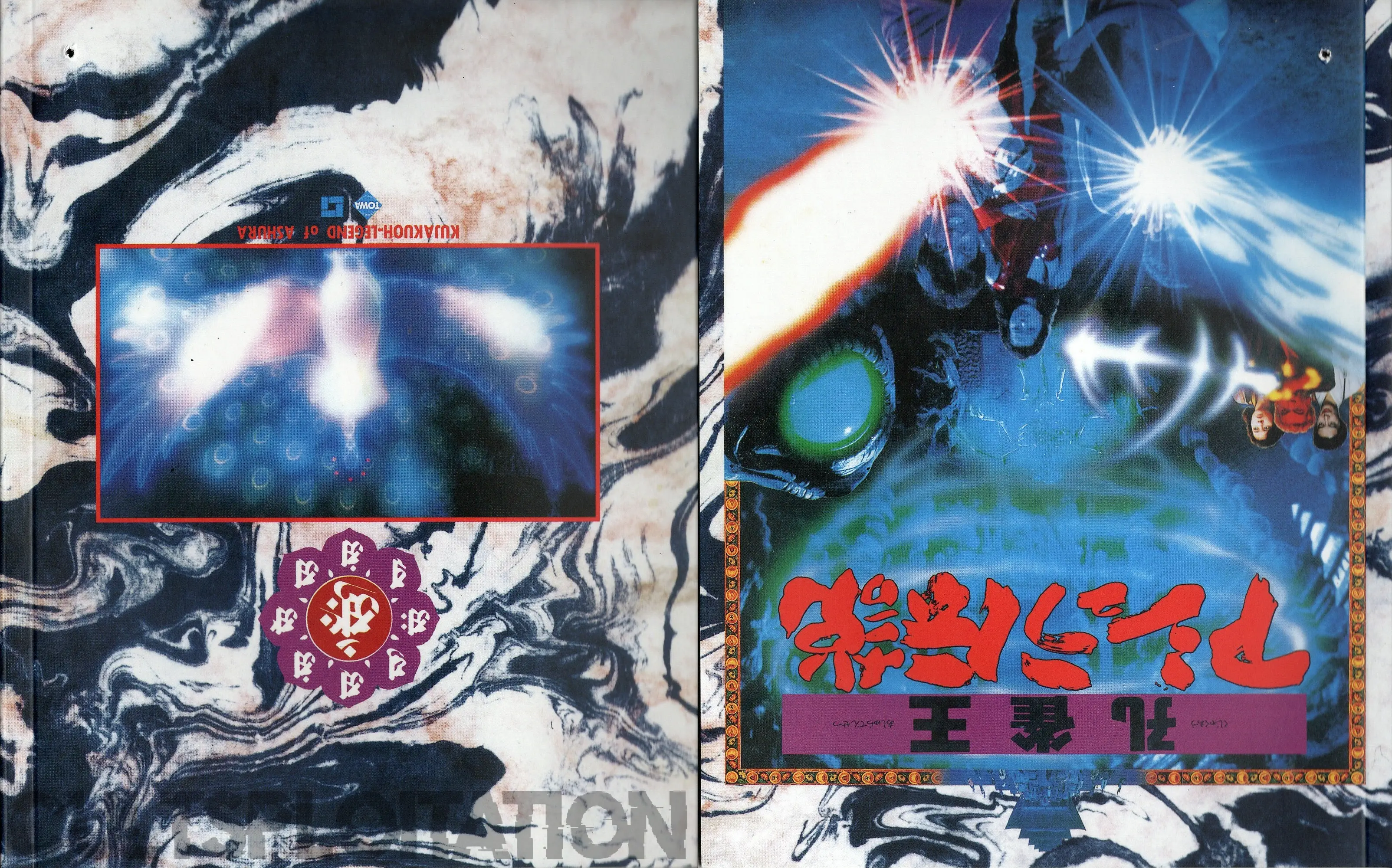
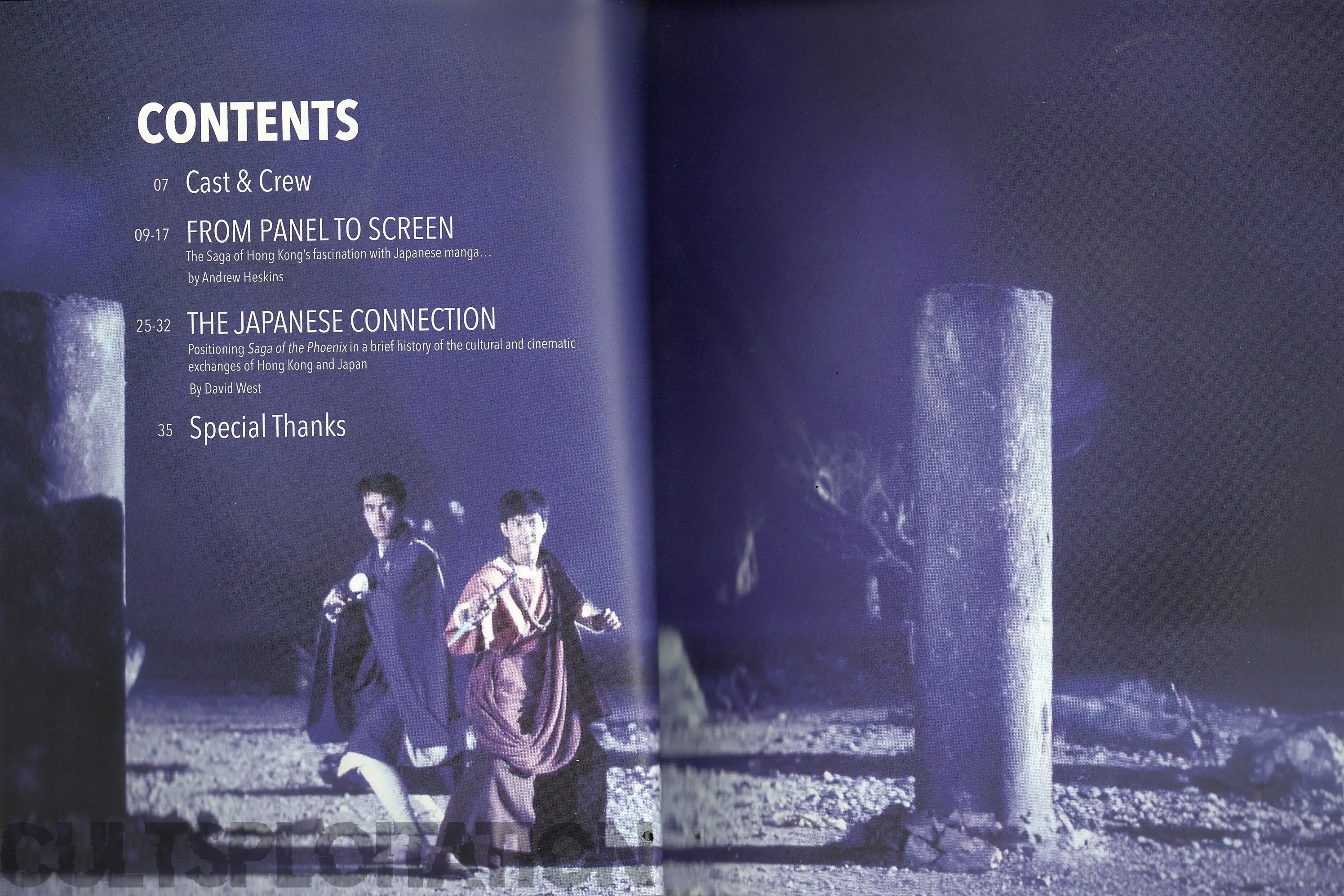
The limited edition box includes an essay booklet with new writing. The first is Andrew Heskins and explores the history of Chinese/Japanese co-productions and the manga/manhua boom that helped to produce both Peacock King and Saga of the Phoenix. The second essay, from David West, takes a closer look at specific Japanese and Chinese co-productions throughout the years prior to Saga of the Phoenix and the occasional use of Japanese as villains in some of these films; it eventually documents the slowing of Hong Kong cinema but its contemporary return in 2024. Also included in this limited edition is reversible cover artwork, a hardback box, collectible double-sided postcard, and a slipcover for the whole thing.
Extra Features
- NEW 2K restoration from original camera negative
- NEW Audio Commentary by HK Cinema Experts Frank Djeng and F.J. DeSanto
- NEW Saga of Golden Harvest – The International Connection: Albert Lee discusses Golden Harvest’s strategy of distribution overseas (1080i; 22:16)
- Alternate Japanese Footage (1080p; 11:56)
- Image Gallery (no chapter breaks; 5:25)
- Original Trailer (1080p; 3:38)
- NEW O-Ring and rigid slipcase featuring artwork by R. P. “Kung Fu Bob” O’Brien
- NEW Reversible sleeve featuring original Hong Kong poster artwork
- NEW Collectible postcard
- NEW 40-page illustrated perfect-bound book featuring Kujakuoh-Legend of Ashura Japanese cover art with essays by Andrew Heskins and David West
Verdict
Saga of the Phoenix eschews horror for a unique brand of sentai-esque fight sequences and cute, cuddly imps in a slice-of-life story that sometimes feels lacking in action. However, it’s visually appealing, and this limited edition Blu-ray from 88 Films features a nice new video transfer and plenty of extras, both on disc and in the packaging.