
In 2001, Takashi Miike directed six films, of which three would go on to be some of his most popular works – Ichi the Killer, The Happiness of the Katakuris, and Visitor Q. Alongside those major achievements, though, was the more quiet and subdued yakuza film Agitator, also sometimes known as The Outlaw Souls. Fans of Miike’s filmography know that he’s no stranger to depictions of Japanese yakuza: hardened mob bosses and soldiers delivering their own version of organized crime brutality on the streets of Tokyo and other major cities; but generally speaking, the contemporary yakuza film, including Miike’s, often revel in the visceral nature and evince an almost reverent tone about the glamor of the lifestyle. That is not the case with Agitator, which trades a lot of Miike’s sensational violence for dramatic depictions of the inner workings of a yakuza crime syndicate, eventually honing that focus to one individual, Kunihiko (Masaya Kato), as he struggles with staying loyal to his boss while the gang is being consumed into a larger entity known as the Tenseikai Syndicate.
With Shigenori Takechi penning the script in one of his first writing credits (and who would go on to team with Miike on a number of yakuza-tinged films), Miike expounds on the familial aspect of the yakuza here with a sprawling first half that ultimately incorporates a number of yakuza gangs and sub-gangs into the mix; for the layman, this flurry of Japanese names, structures and sub-structures, might feel confusing, and with Miike’s somewhat fast-paced editorial style, Agitator rarely stops to helpfully outline the tree-like structure of the yakuza operation. Essentially, there are two warring yakuza gangs – the Shirane and the Yokomizo – and in the middle is a much larger entity known as the Tenseikai Syndicate that wants to absorb both of them. In order to do that, the Tenseikai executive Kaito (Hiroki Matsukata) enlists the help of some upper members of the Shirane to backstab their own group and start a war that the Tenseikai Syndicate will mediate, ending the scuffle and taking over both gangs while instilling new leadership loyal to Tenseikai. That’s the “agitator” part of the film’s title, in that in order to bring both gangs together, they need to disturb the peace and create conflict before anyone will agree to the terms.
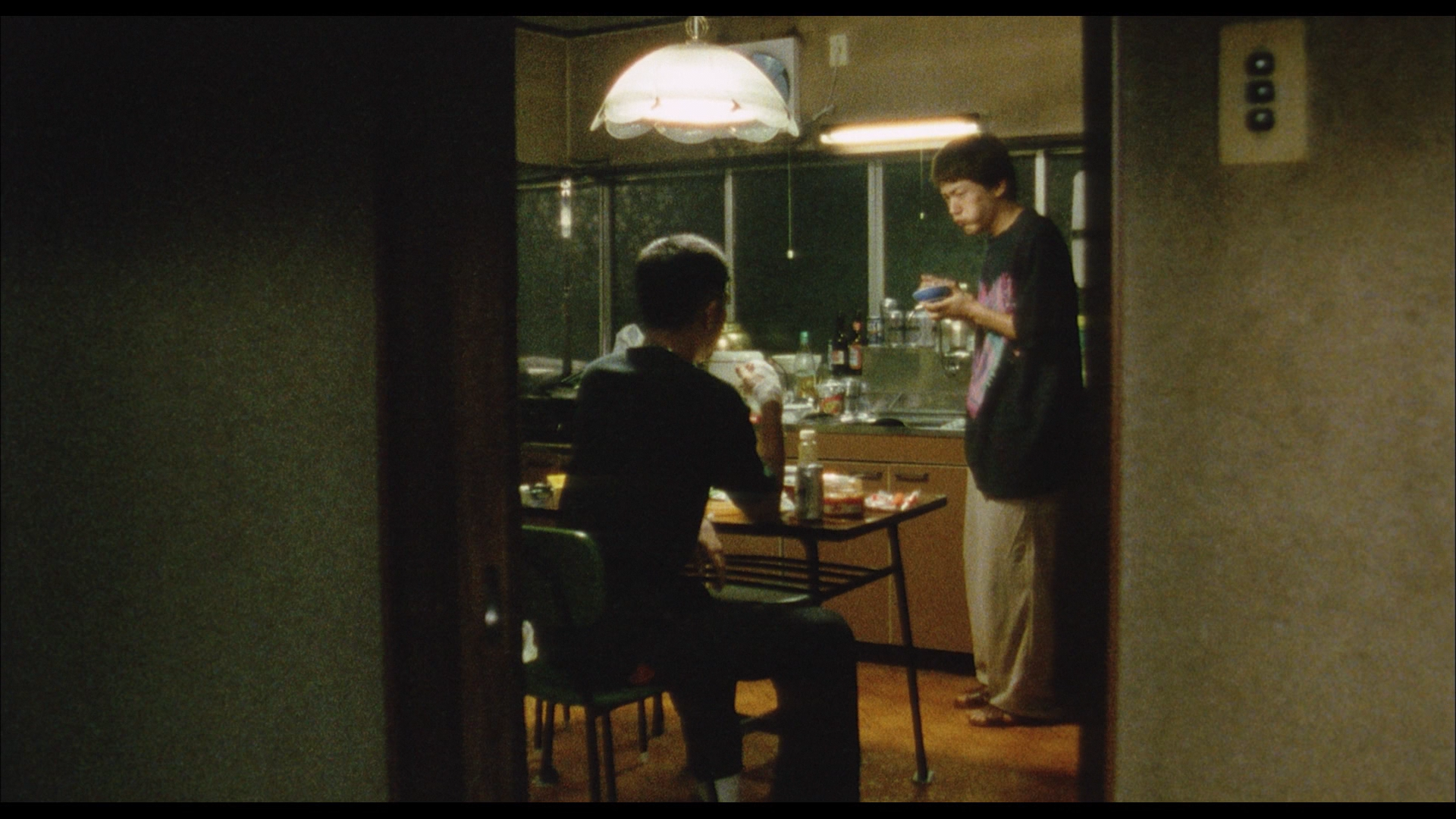
A lot of Agitator‘s 150-minute runtime (or a very lengthy 200 minutes for the extended version) is setting up this structure for the audience, through a series of executive meetings, back-alley deals, and torture sequences that pull information out of the parties involved. These subtle moments lull the audience into a sort of stupor taking in information until the next shocking piece of brutality hits the screen, whether that be an assassination of the Yokomizo founder in a flurry of loud automatic gunfire or a fast drive-in shooting of gang members outside of the Shirane headquarters. Miike’s direction isn’t necessarily as violent or over-the-top as some of his better-known films like the aforementioned Ichi the Killer or Audition, but it does feel more affecting because of the sporadic initiation of them. Much of Agitator intentionally focuses on the dullness of yakuza life even as it depicts some of the flashy excess of the gang members’ style and dress; viewers are more likely to see scenes of gang members eating or drinking than shooting if they randomly tune to a spot in the film, and yet Takechi’s story never feels boring or flagging. Instead, it insists that yakuza lifestyle is the lifeblood for these members, as sustaining as the necessary eating we see throughout.
With that said, Agitator is undoubtedly overstuffed and probably aims a bit too high with the amount of characters and side-stories it attempts to tell. Though the overall focus zeroes in on Kunihiko and his undying loyalty and gratitude to his boss Higuchi (Naota Takenaka) that, eventually, ends with seeking vengeance on nearly everyone that double-crossed him, Miike also follows a wide cast of other yakuza members and this can occasionally fragment the storyline. A good example is Kunihiko’s significant other whose presence introduces the film but rarely adds much to the proceedings. With the lengthy list of characters, Agitator both represents the significant struggle between loyalty and forward progress for a yakuza member but also fails to effectively elaborate on most of those involved, leaving some threads unresolved.
Still, Agitator sets a lofty goal and, for the most part, achieves most of it; with its languid pace interspersed with spurts of carnage, it manages to leave the viewer hanging on tenuously to the very end, driving pell-mell into chaos with Kunihiko and his surviving gang member right before the final explosion. That Miike refrains from showcasing that fiery finale in detail effectively sums up Agitator as a whole – happy to live in the quieter moments, verging on the frantic, but ultimately a much more restrained and nuanced version of Miike than much of his filmography wo
uld suggest.
Agitator Blu-ray Disc Review
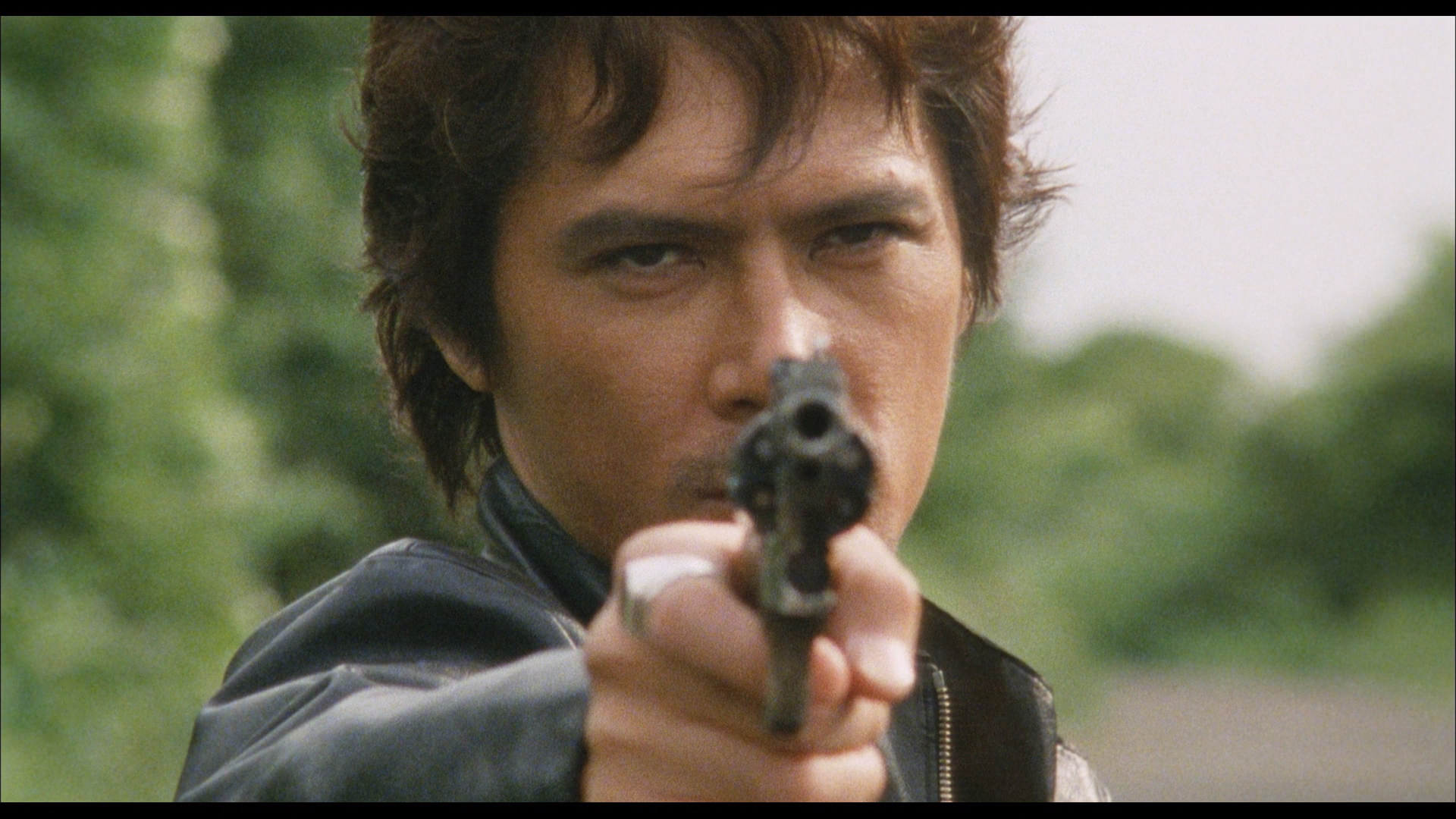
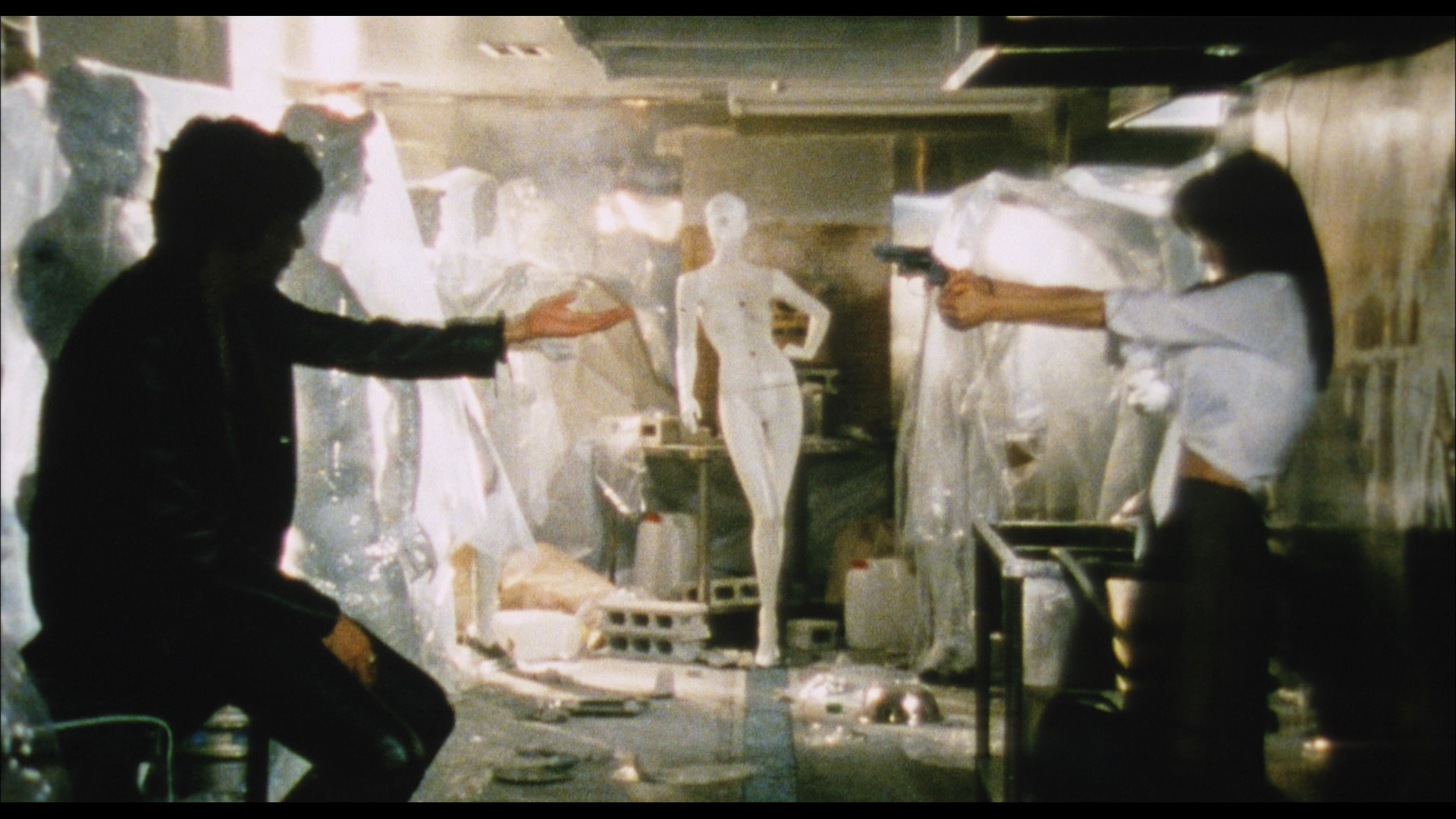
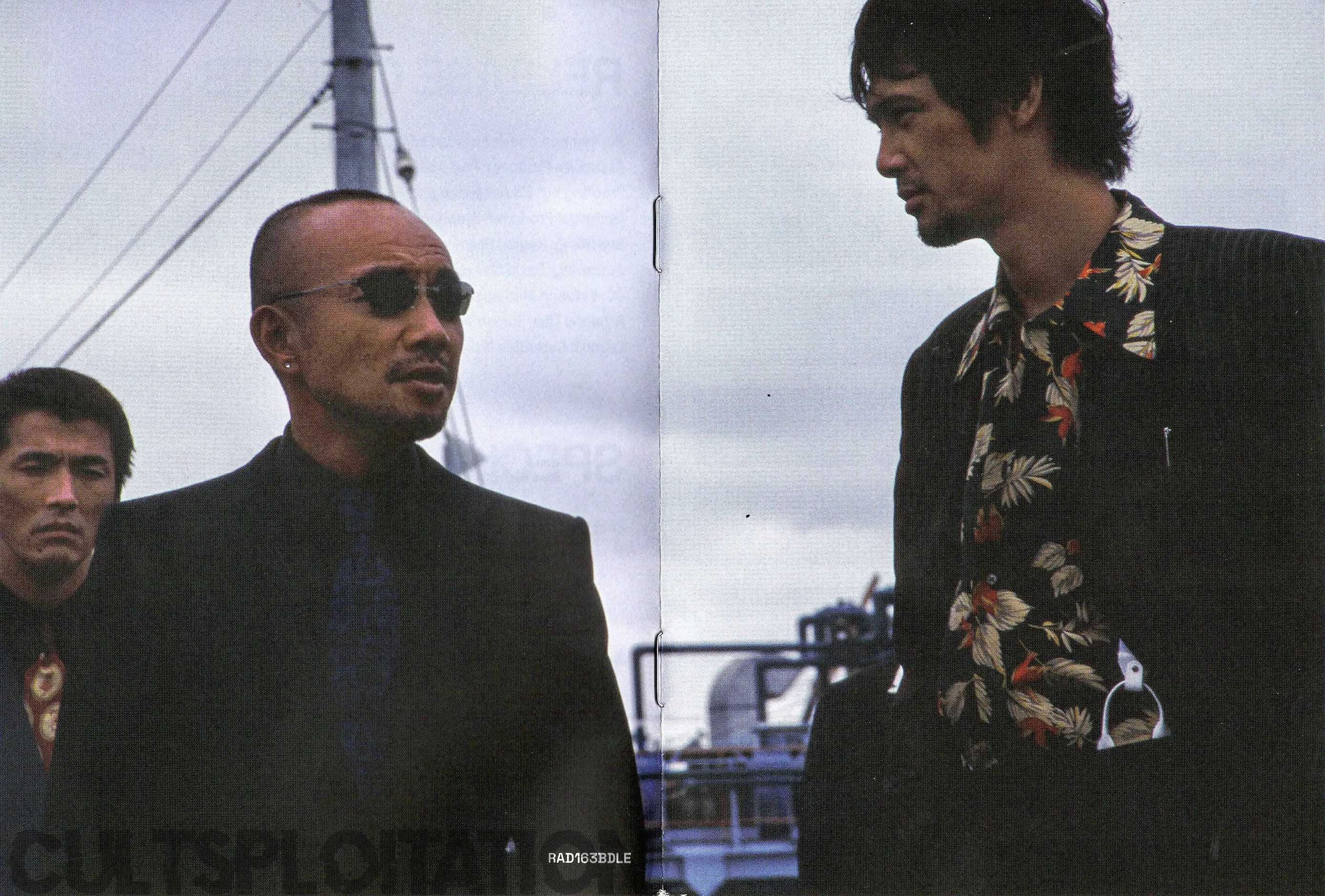
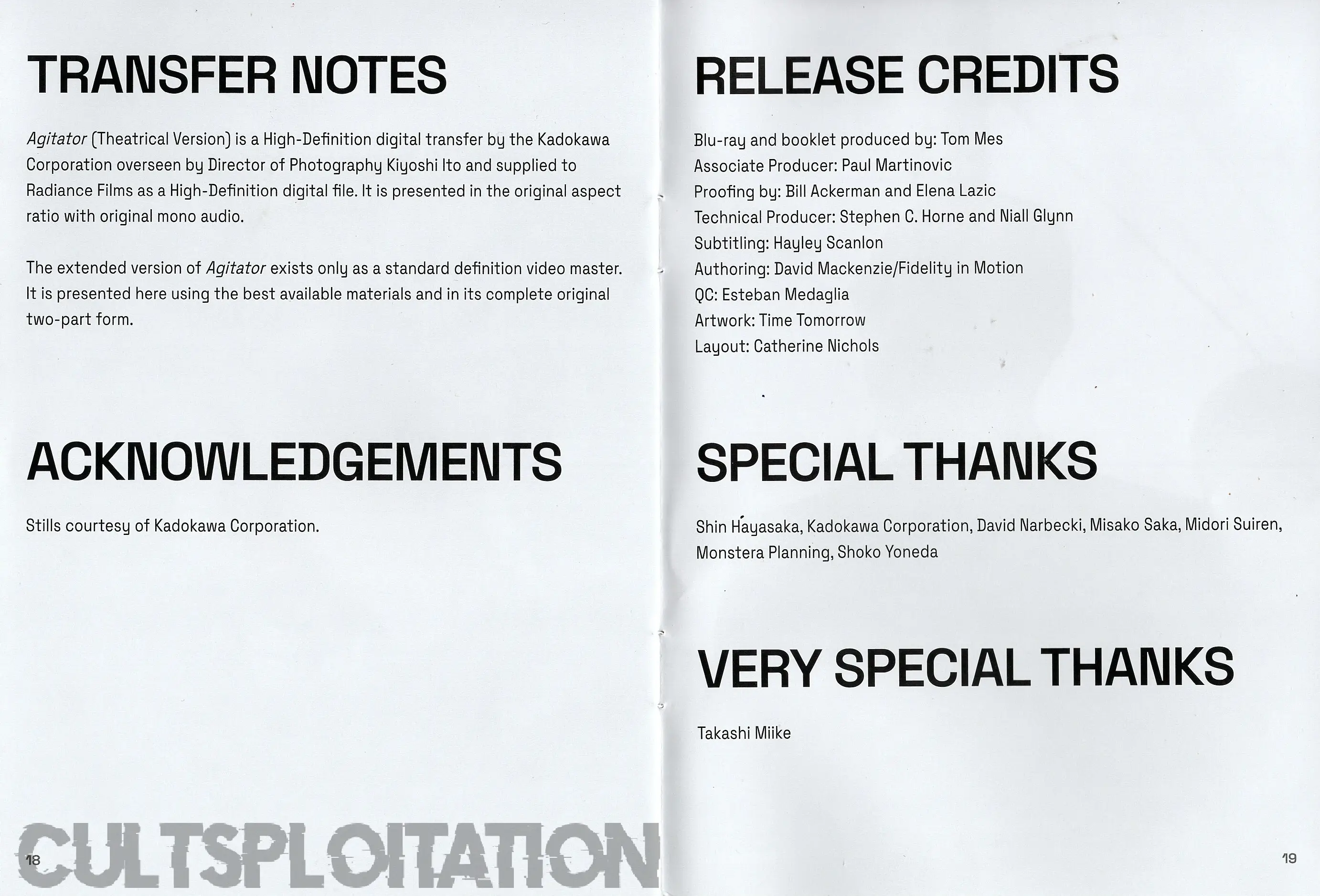
Radiance Films’ Blu-ray release of Agitator comes courtesy of a “high-definition digital transfer” from the Kadokawa Corporation. The source of this transfer is not disclosed in the transfer notes, and so it’s not clear if this is the same transfer as the collector’s edition released in Australia by Umbrella Entertainment. With that said, this Blu-ray video transfer sports a very filmic look that emphasizes some pretty thick-bodied grain; in some part that may be intentional, as the thickness of the grain in many cases heightens the gritty subject matter of the yakuza material while still retaining a good amount of detail that may at times seem fuzzy but never particularly obscured. The film also tends to incorporate a few flashback sequences which appear to also intentionally showcase a more damaged, filtered look for unique effect. The handheld camera and thick grain scale certainly may take some getting used to in comparison to other more pristine-looking Blu-ray releases, but that seems to hew towards director of photography Kiyoshi Ito’s preference (who supervised this transfer) rather than any issue with the project itself. Since this is unlikely a 4K restoration, I do feel that that approach could yield some better grain resolution in the future; but this Blu-ray transfer is still a great way to enjoy Agitator for US audiences. This release also includes the 200-minute extended cut, which is presented from a standard definition source as an extra on the disc rather than the main attraction, split into two parts.
Audio is in the form of the original DTS-HD Master Audio 1.0 Japanese mono mix, interestingly differing from Umbrella’s release with both 5.1 surround and 2.0 stereo tracks. Agitator is primarily comprised of dialogue, and so it makes sense that these elements sit front and center with the mono soundtrack; volume is sufficient and the monaural offering tends to make the film’s louder moments more impactful during its sporadic bursts of gunfire. English subtitles are included, noted for this release featuring updated translations, and defaulted on as well.
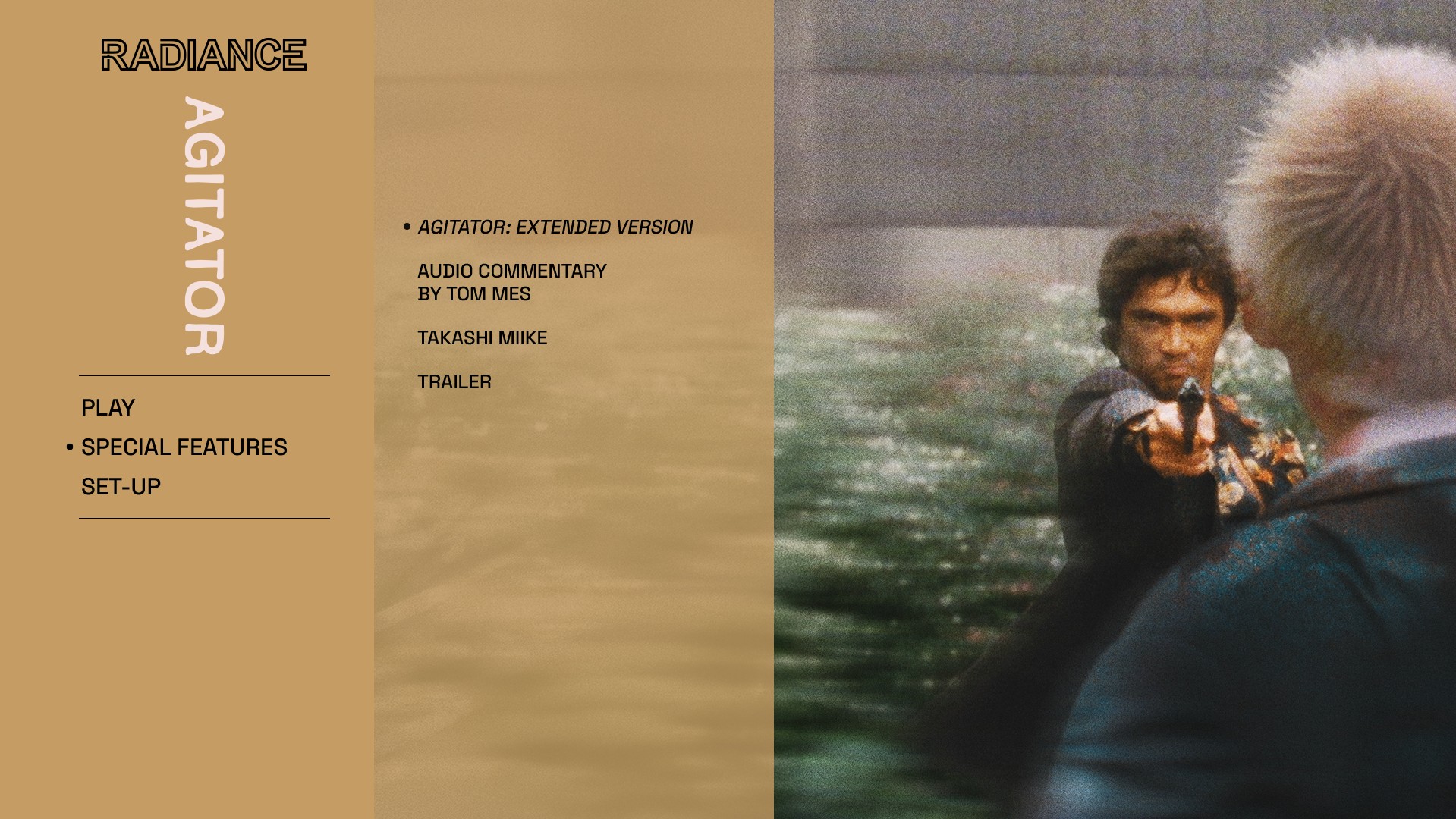
For extras, Radiance includes a new interview with Miike in addition to previous extras available from Umbrella including an audio commentary on the theatrical cut by Tom Mes. In his 24-minute interview, the director speaks of his relation to Takechi, a real-life yakuza member who spent time in prison before writing some of Miike’s films, as well as working with Hiroki Matsukata as a veteran film actor. Mes’ previously available audio commentary is a great listen that explores the various themes throughout the movie as well as giving the film room to run on its own before commentating on particular elements; he also brings up his own interactions with Agitator such as his first experience with it.
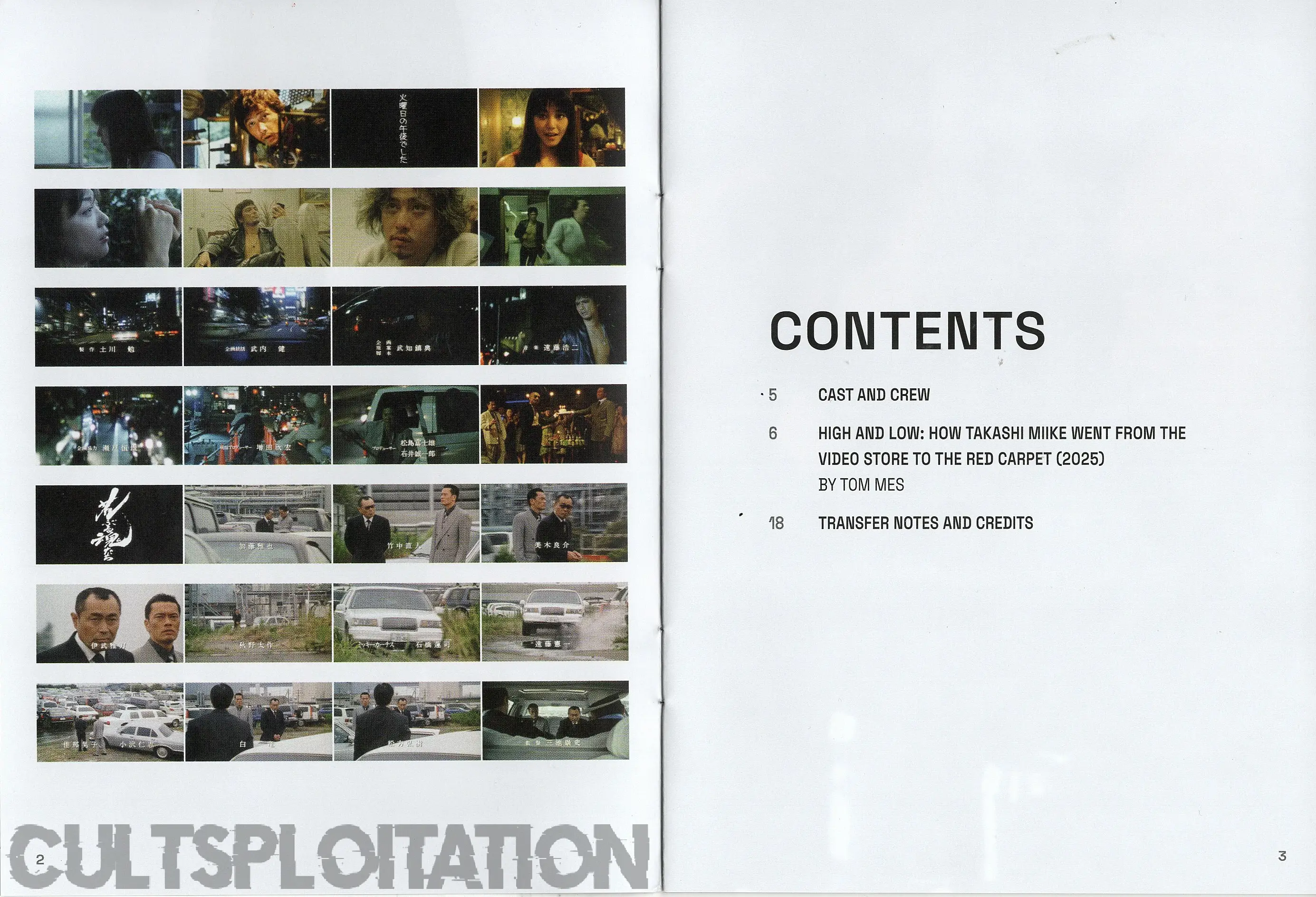
Mes also provides an essay on Miike’s filmography as a whole here, considering his sort of alternative trajectory in the realm of auteur cinema since Miike had directed a large number of V-cinema films even prior to his admittance to the festival circuit. While Agitator is mentioned specifically, this is more an overarching spotlight on Miike’s works and more pointedly the ebbs and flows of excessiveness within his works, this film included.
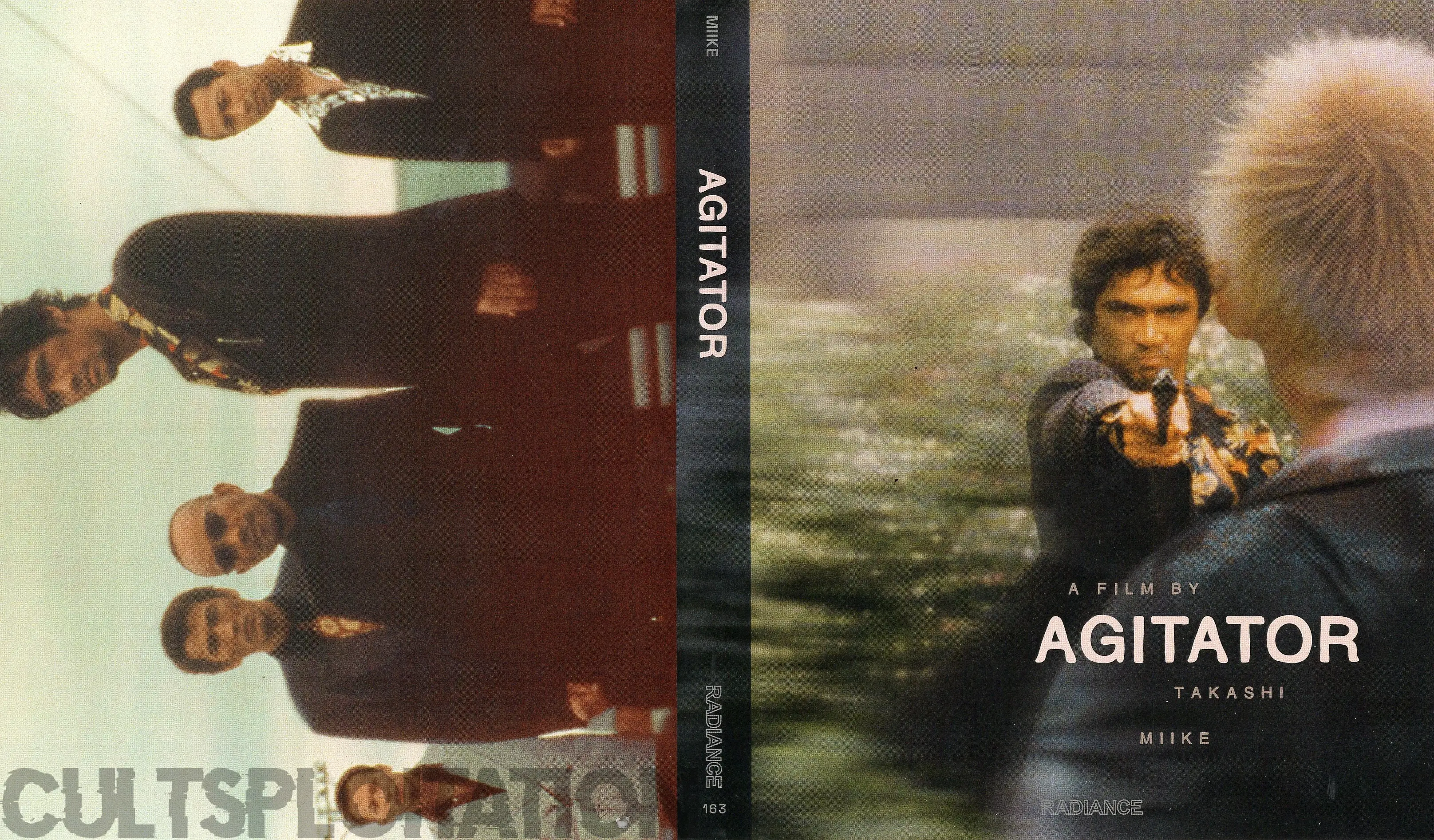
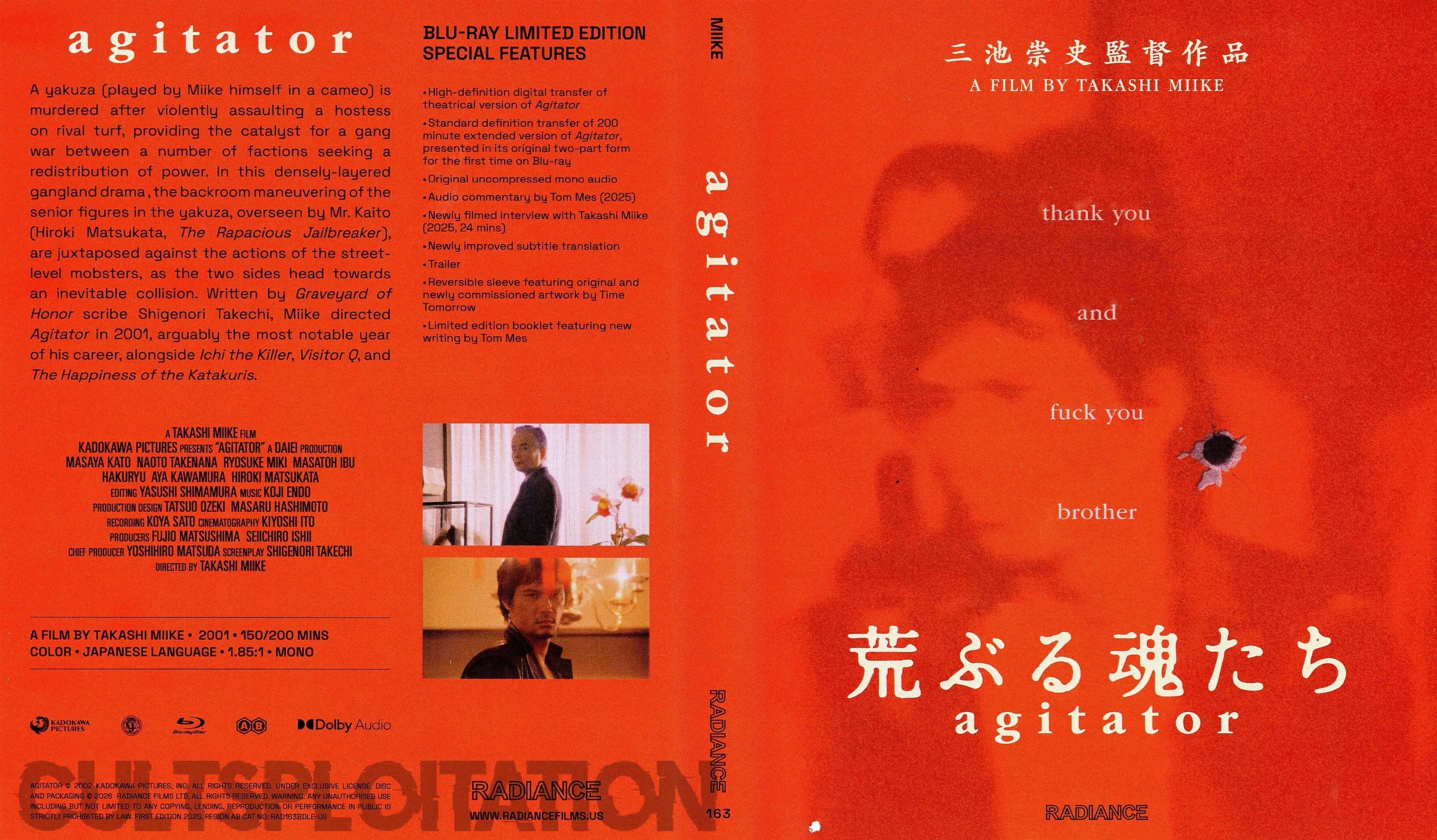
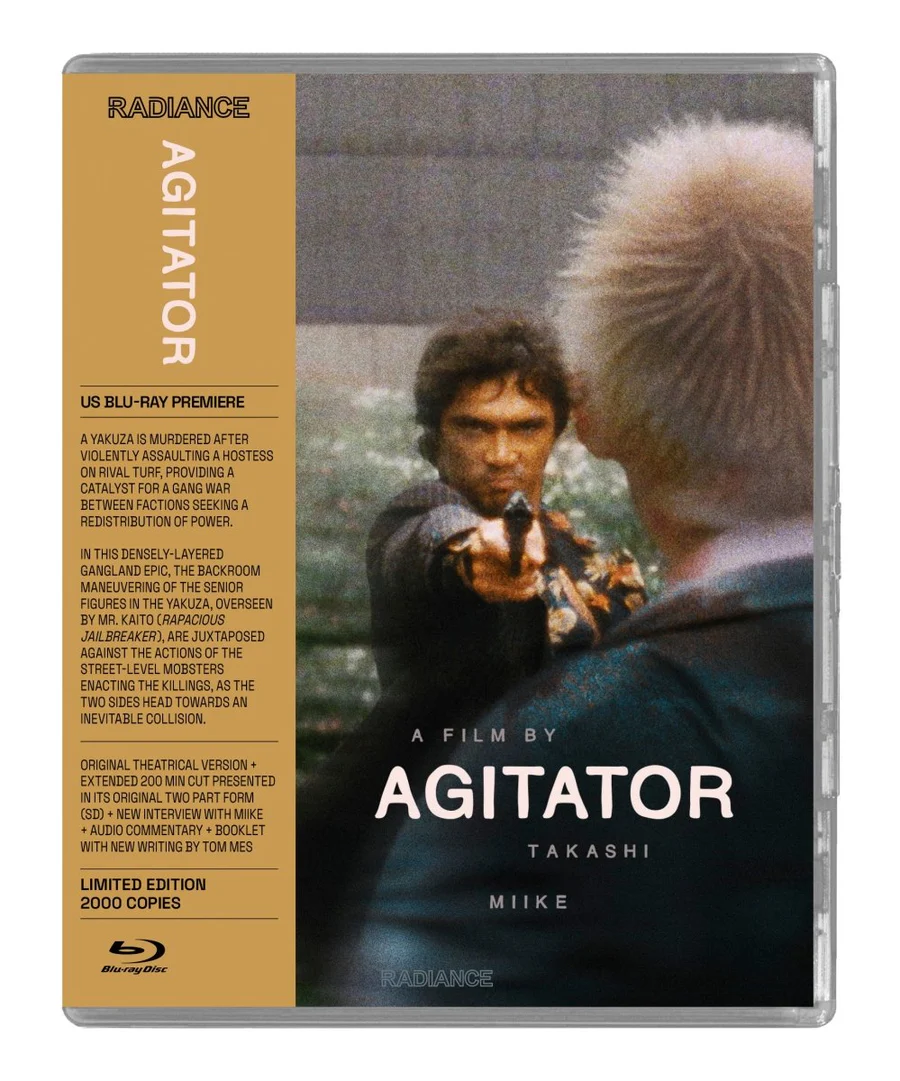
Reversible cover artwork is also provided.
Extra Features
- High-definition digital transfer of theatrical version of Agitator
- Standard definition transfer of 200 minute extended version of Agitator, presented in its original two-part form (1080p; 2 parts; 1:42:58, 1:37:26)
- Original uncompressed mono audio
- NEW filmed interview with Takashi Miike (1080p; 24:12)
- Audio commentary by Tom Mes
- NEW improved subtitle translation
- Trailer (1080p; 1:23)
- NEW Reversible sleeve featuring original and commissioned artwork by Time Tomorrow
- NEW Limited edition booklet featuring new writing by Tom Mes
Verdict
Agitator may return to Miike’s familiar yakuza roots, but it explores the more internal workings of the gangster lifestyle in a more subdued method than his standard fare. This Blu-ray release from Radiance Films is a great version for US audiences, including a majority of extras already available plus a new interview with Miike, and a solid transfer that likely matches past releases.