
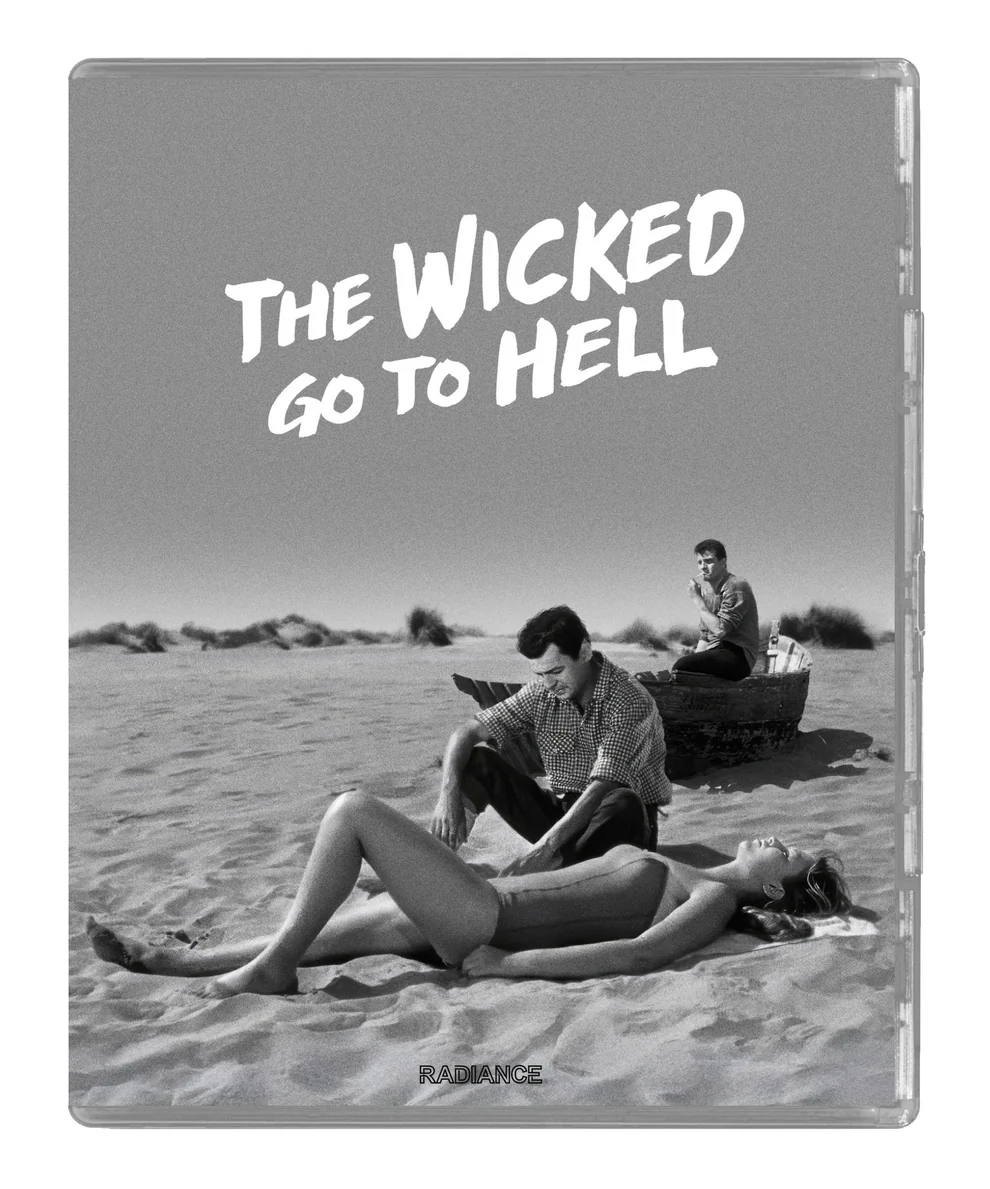
Robert Hossein’s directorial debut The Wicked Go to Hell presents the foregone conclusion directly in the title. However, it’s not initially clear who the wicked are in this slow-burn noir about two convicted men who escape from prison after both being accused of the death sentence “snitchery” and shack up in a beachside house with young model Eva (Marina Vlady). Part prison break, part Stockholm syndrome drama, The Wicked Go to Hell depicts some surprisingly volatile brutality for a film released in 1955, and establishes a particular feeling of anxiety from the very beginning.
Hossein initially sets the film within the prison, which has erupted into finger-pointing attempting to pinpoint a snitch in their midst. Ultimately their search boils down to either Macquart (Henri Vidal) or Rudel (Serge Reggiani), both of whom will become the audience’s main antiheroes as the movie follows their violent prison break. Interestingly, Hossein’s direction wavers a bit from the protagonists during the prison setting, and it’s here where the film is arguably at its best – showcasing the stress of the unknown and the paranoia that follows from suspecting someone with whom you might have established (forced) close bonds. There’s also a quick subplot involving an inmate whose wife visits him just to tell him she’s leaving him to further her career; Hossein is clearly setting up this idea of the femme fatale, which is perhaps not even always intentional on the woman’s part but eventually leads to the inmate committing suicide since he no longer has anything to live for.
That element is reflected later on after a rather thrilling prison break sequence that takes Macquart and Rudel through a series of fatal encounters; when Rudel sustains a dog bite, the two realize they’ve got to hole up somewhere to nurse him back to health, and they stop at a beachside shack that happens to be inhabited by a painter (Guy Kerner) and his model/love interest Eva. After murdering the painter, the two take over the house and force Eva to be their hostage, who seems to take it all rather well by swimming and lazing in the sun on the beach. But eventually both of the men fall for her, and subsequently resume their attacks on each other – this time not because they blame the other for being a snitch, but to vie for Eva’s affections. Hossein does a great job of keeping the feelings of all his characters sort of bottled up; it’s not extremely clear if Eva’s advances on Rudel specifically are truthful or if she’s simply using her feminine wiles to get out of the predicament.
If The Wicked Go to Hell has any specific weakness, it’s that the second half is a bit too slow and plodding. While Hossein draws on the anxieties of the two men, it’s just not eventful enough to sustain 45 minutes of plotting, and since the film specifically refrains from giving too much character development, it feels like the storyline is just treading ground until the inevitable ending. Since there are only two real outcomes to the whole thing – either Eva chooses one of the men, or she doesn’t – the finale isn’t exactly surprising either; but watching it all play out with a slightly smirking Vlady recognizing the power she holds over the two men is still an entertaining sight. And with a beautiful locale, a stunning Vlady prominently displayed in bathing suits, and a noir-like tension to the whole thing, Hossein’s debut is still a worthwhile excursion into classic French crime.
Blu-ray
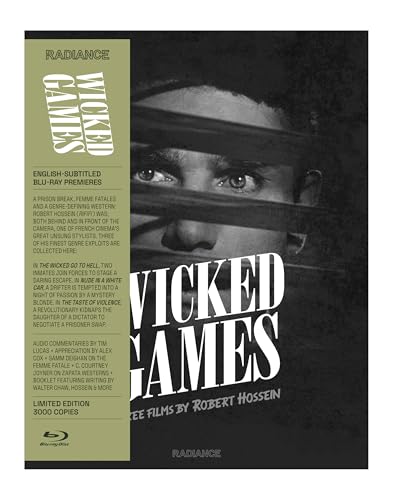
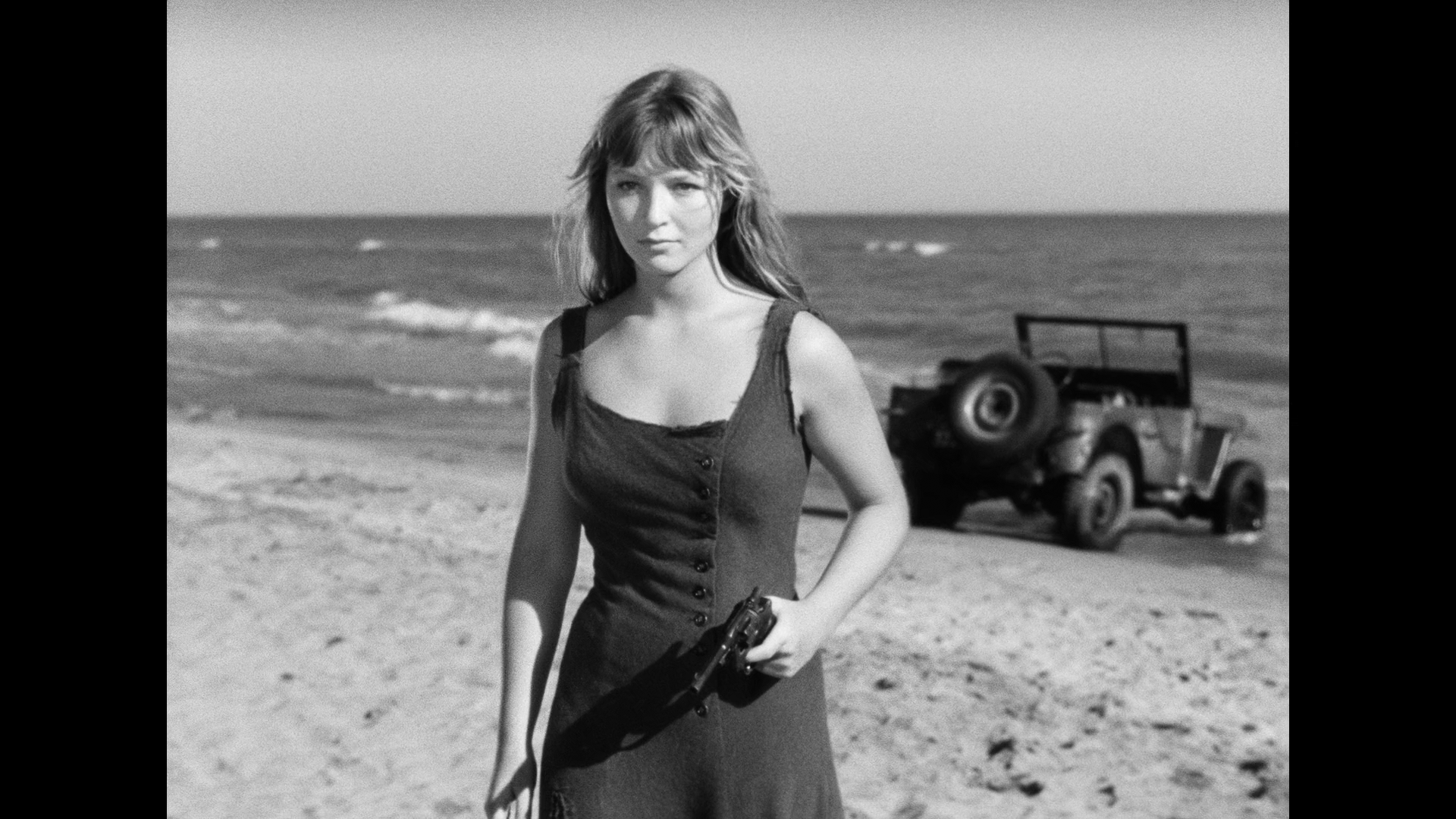
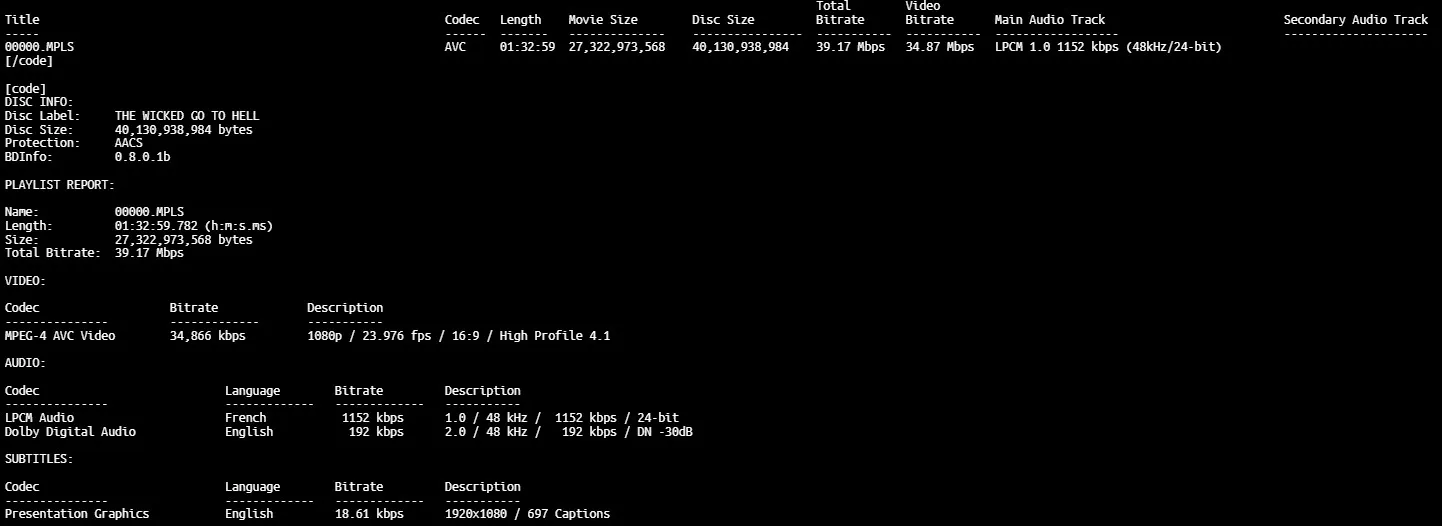
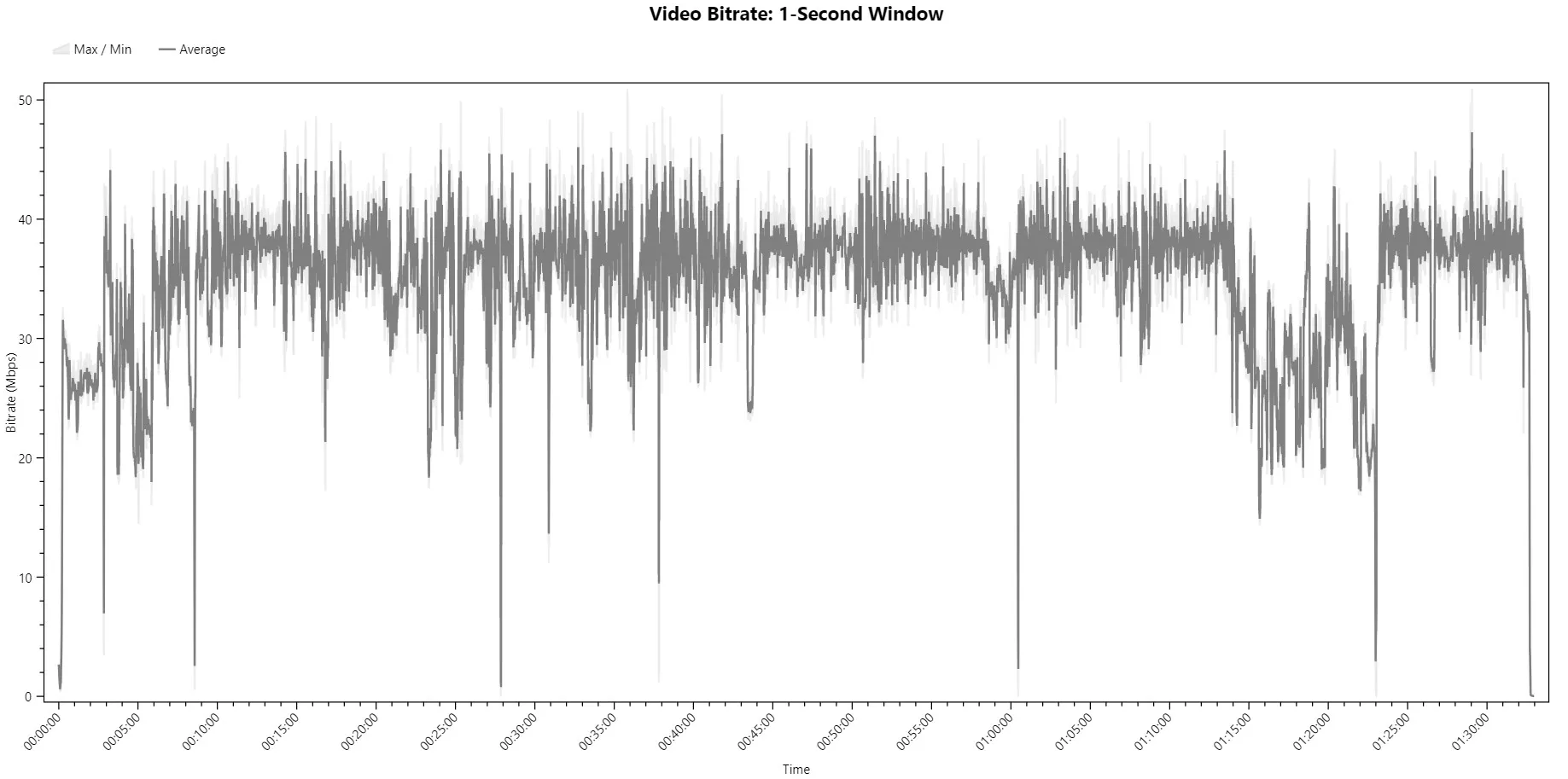
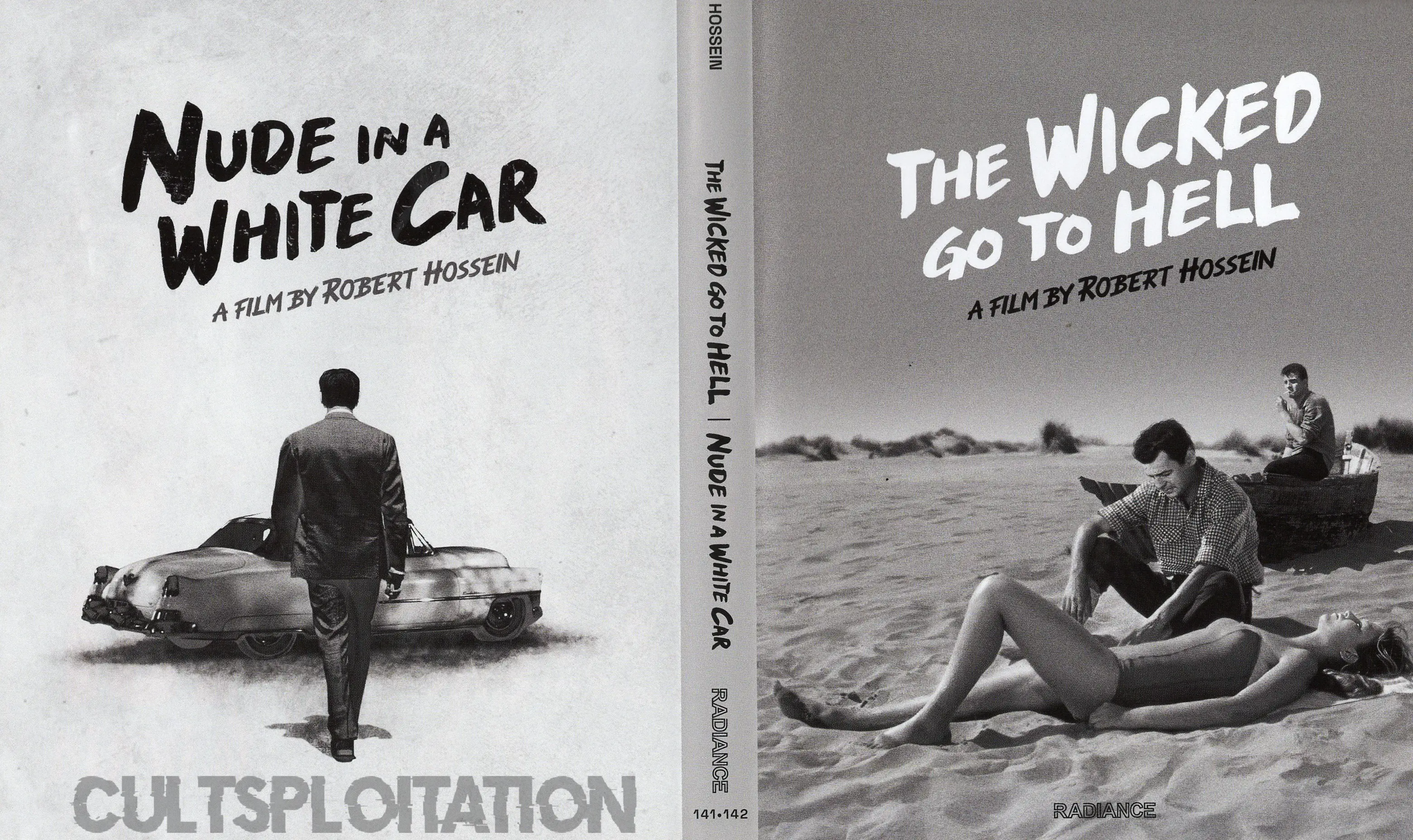
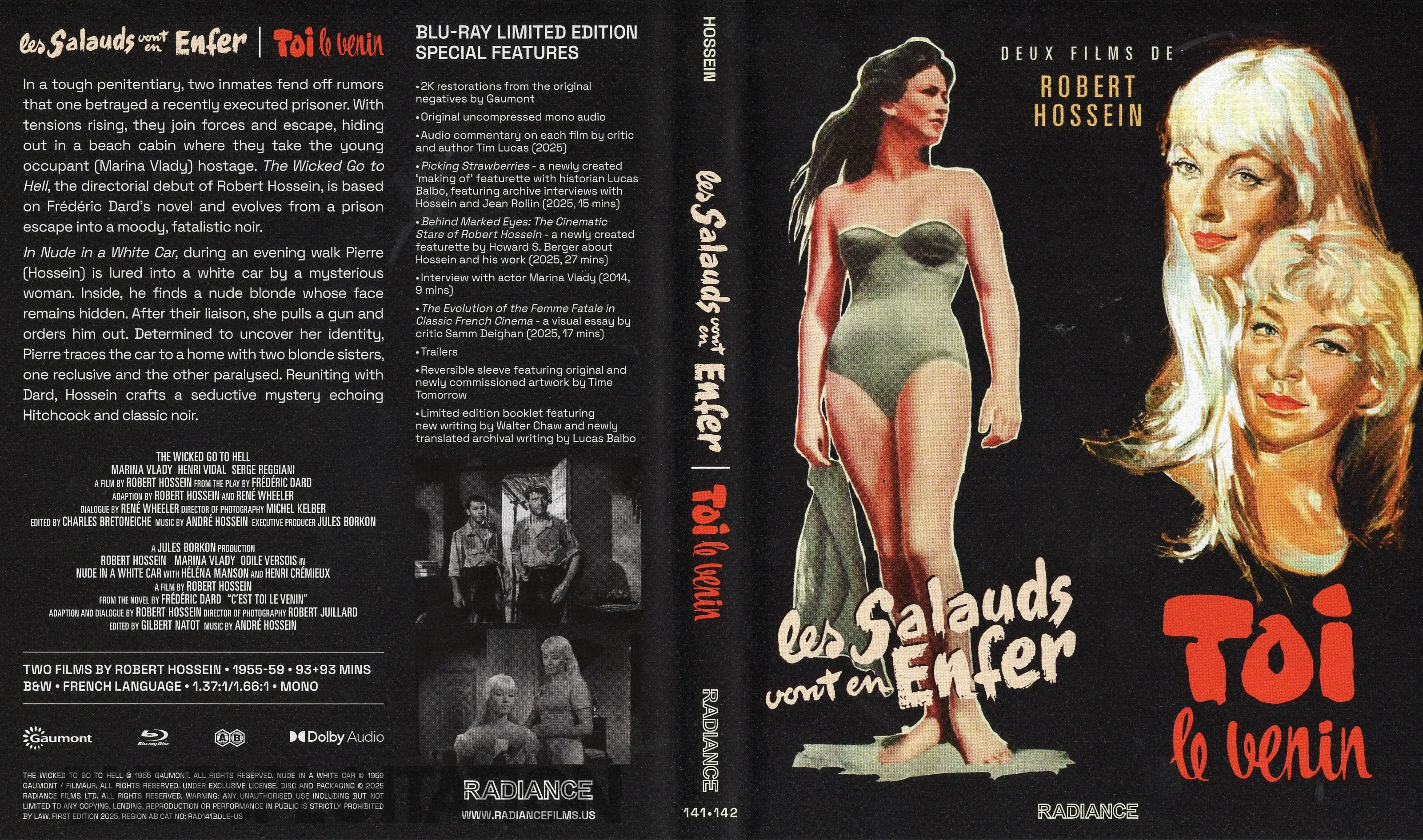
The Wicked Go to Hell is released on Blu-ray by Radiance Films as part of the Wicked Games boxset, featuring three films by Robert Hossein. All three of the films received a 2K restoration by Gaumont. The video transfer looks exceptional, featuring a very crisp and filmic grain scale that manages to stay medium-textured throughout. The monotone scale looks beautiful and enunciates the noir-esque feeling of the film’s atmosphere, utilizing some great shadow contrast later in the film especially as the men begin their descent into jealousy. Notably, there is a problematic sequence in the film’s conclusion during the men’s fight on the beach – a few cuts reveal a significant judder to the image, but this does seem inherent within the negative since it occurs in specific camera shots edited into the sequence. Otherwise, this is a great transfer on this Radiance Blu-ray.
The included audio track is an LPCM 1.0 mono French soundtrack, which sounds nicely robust with consistent voluminous dialogue and an effective score. English subtitles are defaulted on but can be turned off as well. No issues whatsoever on the audio front.
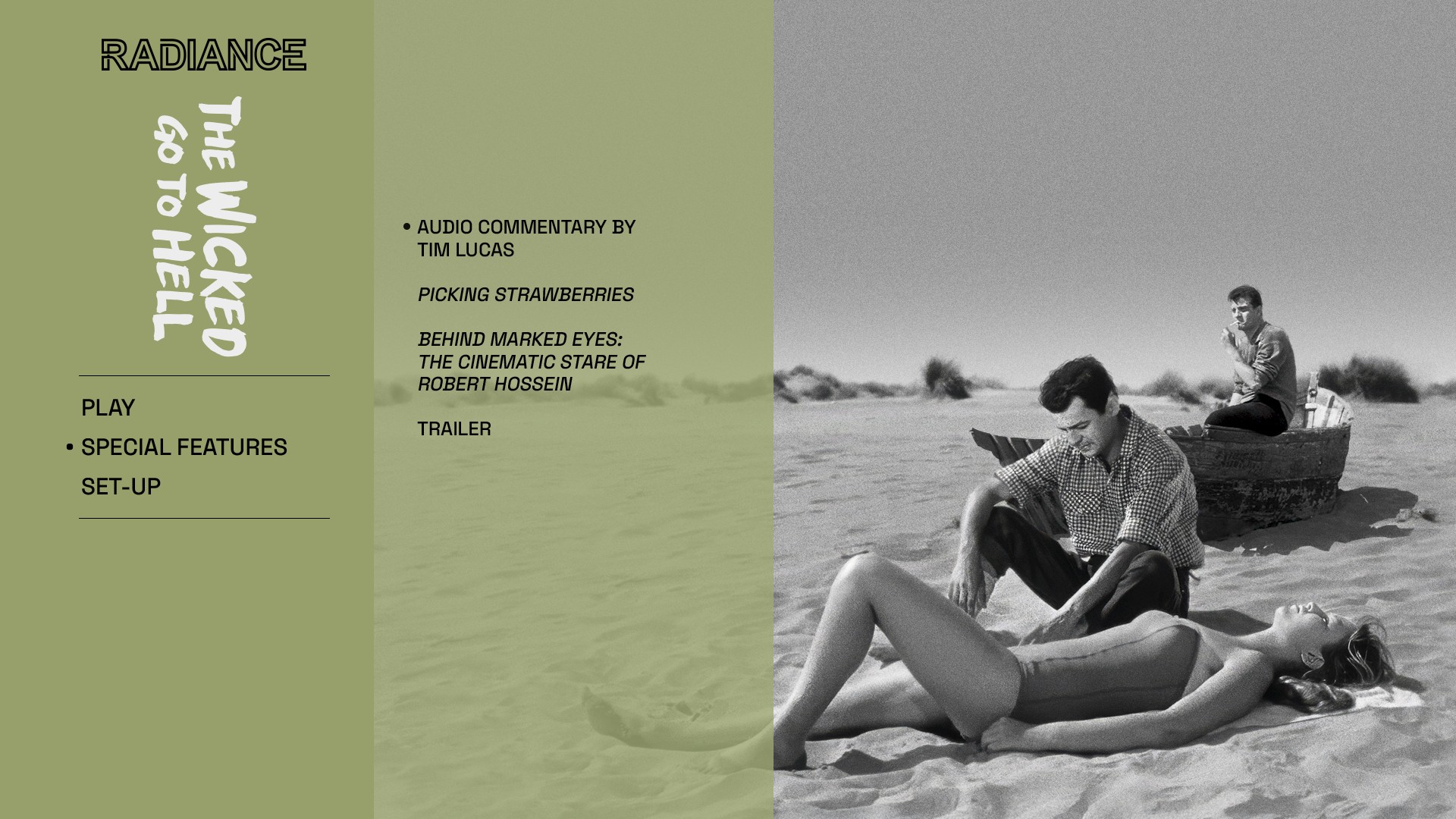
While the release is included as part of the boxset, we’ll cover the extras that are specifically included on this disc as part of the special features. First and foremost is a new audio commentary by Tim Lucas, which is an extremely researched listen that includes details about most of the major players in the film and maintains information throughout the film’s runtime. It’s an excellent listen that comes off more like an audio essay, obviously scripted and meticulous. Historian Lucas Balbo supplies a making-of featurette called “Picking Strawberries,” which does run through some similar items as Lucas’ commentary but spends some time incorporating archival interviews with Robert Hossein and director Jean Rollin as well, who seems to have been involved in directing the prison sequences in the movie (since Hossein himself had a small role); it also dives into the locales used for filming and some info about the adaptation from a novel. Contained on this disc but perhaps relevant to all of the movies included in the boxset is an essay by Howard S. Berger titled “Behind Marked Eyes: The Cinematic Stare of Robert Hossein,” in which he takes a look at the work and cinematic contribution of Hossein as a director. Running nearly 30 minutes, this is a comprehensive overview of the filmmaker’s body of work and an evaluation of his craft, and certainly applies well to any of the films in this release. Finally, a theatrical trailer is also featured.
Extra Features
- 2K restoration by Gaumont
- Original uncompressed mono audio
- NEW Audio commentary on each film by critic and author Tim Lucas
- NEW Picking Strawberries – A ‘making of’ featurette with historian Lucas Balbo, featuring archive interviews with Hossein and Jean Rollin (1080p; 14:52)
- NEW Behind Marked Eyes: The Cinematic Stare of Robert Hossein – A featurette by Howard S. Berger about Hossein and his work (1080p; 27:04)
- Trailer (1080p; 3:19)
Verdict
The Wicked Go to Hell is an engaging enough debut from Hossein and this boxset collection offers a number of extras to further enhance the experience, along with a great-looking transfer.